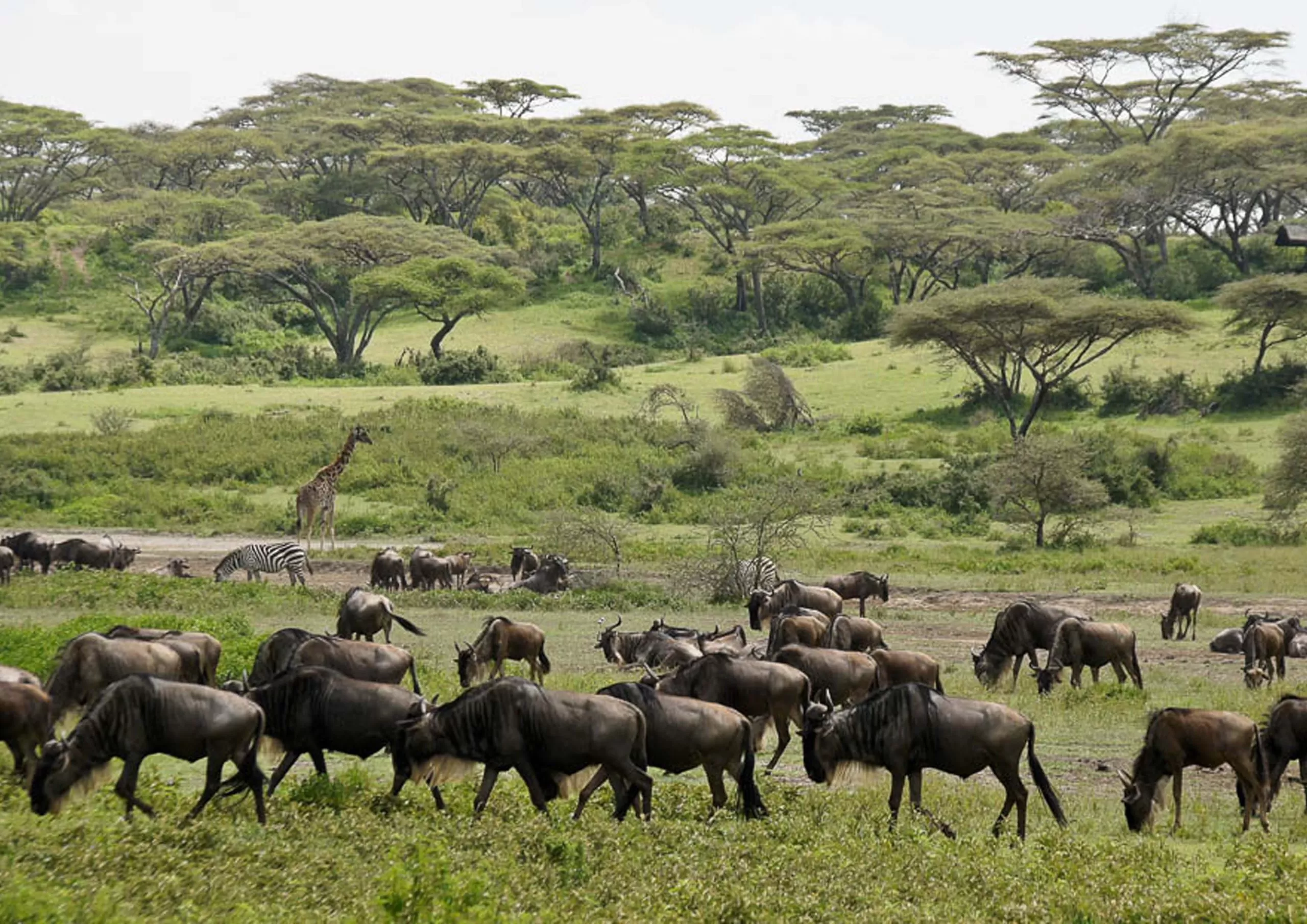
Imagine arriving on the vast plains of southern Tanzania and seeing thousands of wildebeest spread across the horizon. Among the herds are heavily pregnant females, newborn calves taking their first steps, zebras grazing nearby, and predators patiently watching from the grasslands.
This is the extraordinary Ndutu Calving Season, one of the most spectacular periods of the Great Wildebeest Migration in Tanzania.
Every year, the southern Serengeti and surrounding Ndutu area become a vast natural nursery as hundreds of thousands of wildebeest give birth. The abundance of newborn animals also attracts predators, creating exceptional opportunities to witness lions, cheetahs, hyenas, and other wildlife in action.
For wildlife enthusiasts, photographers, families, and travelers looking for a different side of the Great Migration, a Ndutu safari during calving season can be an unforgettable Tanzania experience.
What Is the Ndutu Calving Season?
The Ndutu Calving Season is the period when large numbers of wildebeest gather on the short-grass plains of southern Serengeti and the neighboring Ngorongoro Conservation Area to give birth.
The main calving period generally occurs between January and March, with the most intense activity often concentrated around January and February. The exact timing can shift from year to year depending on rainfall and grazing conditions.
TANAPA describes the southern Serengeti as a major calving ground where more than half a million wildebeest can give birth within a few weeks.
The Ndutu area is particularly important because of its nutrient-rich short-grass plains, which provide favorable feeding conditions for mothers and their newborn calves.
Where Is Ndutu?
Ndutu is located in the southern Serengeti ecosystem, around the boundary between Serengeti National Park and the Ngorongoro Conservation Area.
The area is characterized by expansive grasslands, seasonal lakes, and an abundance of wildlife. During the calving season, it becomes one of the most concentrated wildlife areas in northern Tanzania.
Its location also makes Ndutu an excellent addition to a northern Tanzania safari that includes destinations such as the Serengeti, Ngorongoro Crater, and Tarangire National Park.
When Is the Best Time to Visit Ndutu for Calving Season?
The broader calving season generally runs from January through March, but the most dramatic period is often January and February.
February is particularly popular among travelers hoping to see large numbers of newborn wildebeest and intense predator activity. However, wildlife movements are naturally influenced by rainfall, so exact timing cannot be guaranteed.
January
January can offer excellent opportunities to see newborn calves, large wildebeest herds, and increasing predator activity.
The landscape is often beautifully green following seasonal rains, creating excellent conditions for wildlife photography.
February
February is generally considered one of the best months to experience the heart of the calving season.
Large concentrations of wildebeest may be present across the plains, while lions, cheetahs, hyenas, and other predators take advantage of the abundance of vulnerable young animals.
March
March can still provide excellent wildlife viewing, particularly early in the month. However, as calves become stronger and the herds begin shifting away from the southern plains, the intensity of the calving spectacle can gradually decrease.
Why Is Ndutu Calving Season So Special?
The Great Migration is often associated with dramatic river crossings in northern Serengeti and Kenya. However, the calving season offers a completely different experience.
Instead of focusing on dramatic river crossings, Ndutu allows travelers to witness one of nature’s most important moments: new life.
You may see mothers caring for newborn calves, herds moving across open grasslands, predators stalking their prey, and dramatic interactions between different species.
The combination of huge herds, newborn animals, predators, and open landscapes makes Ndutu particularly attractive to wildlife photographers.
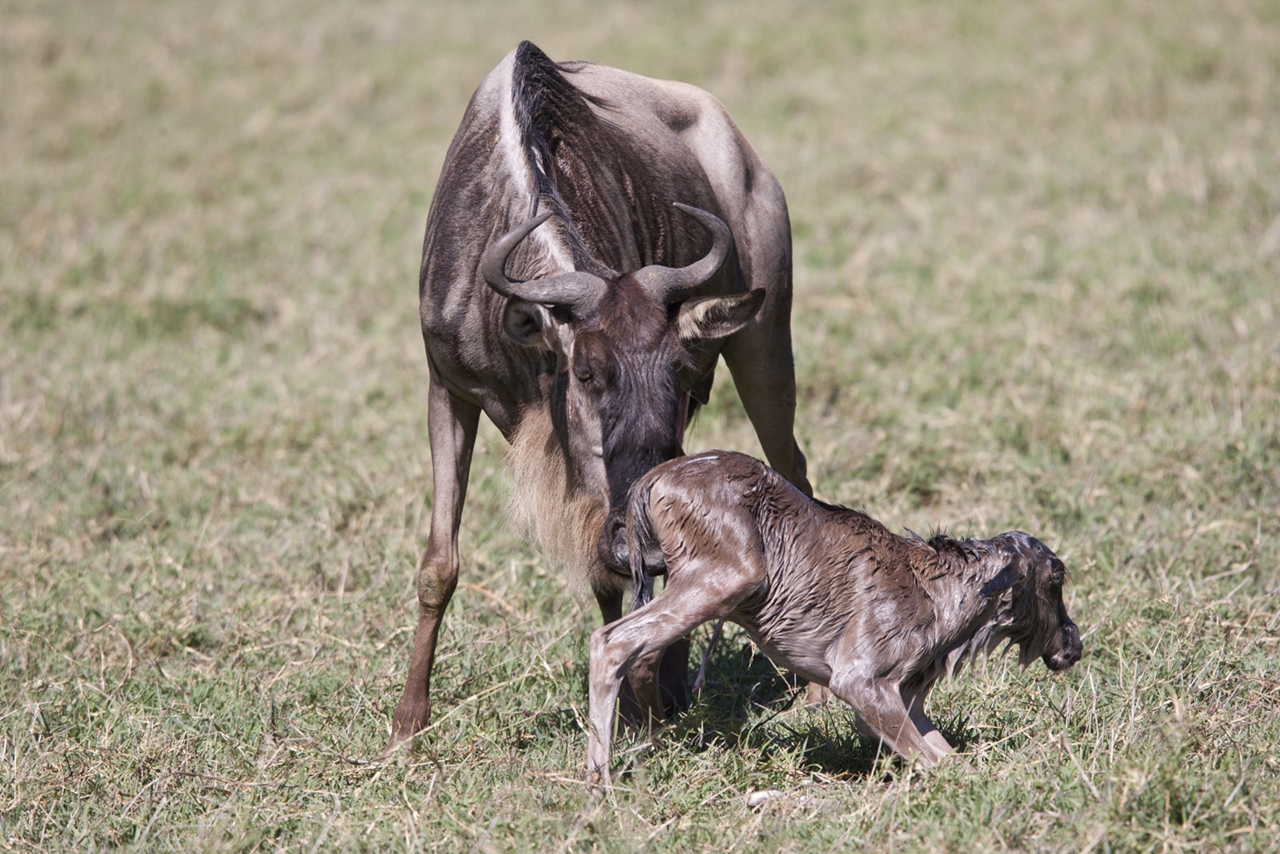
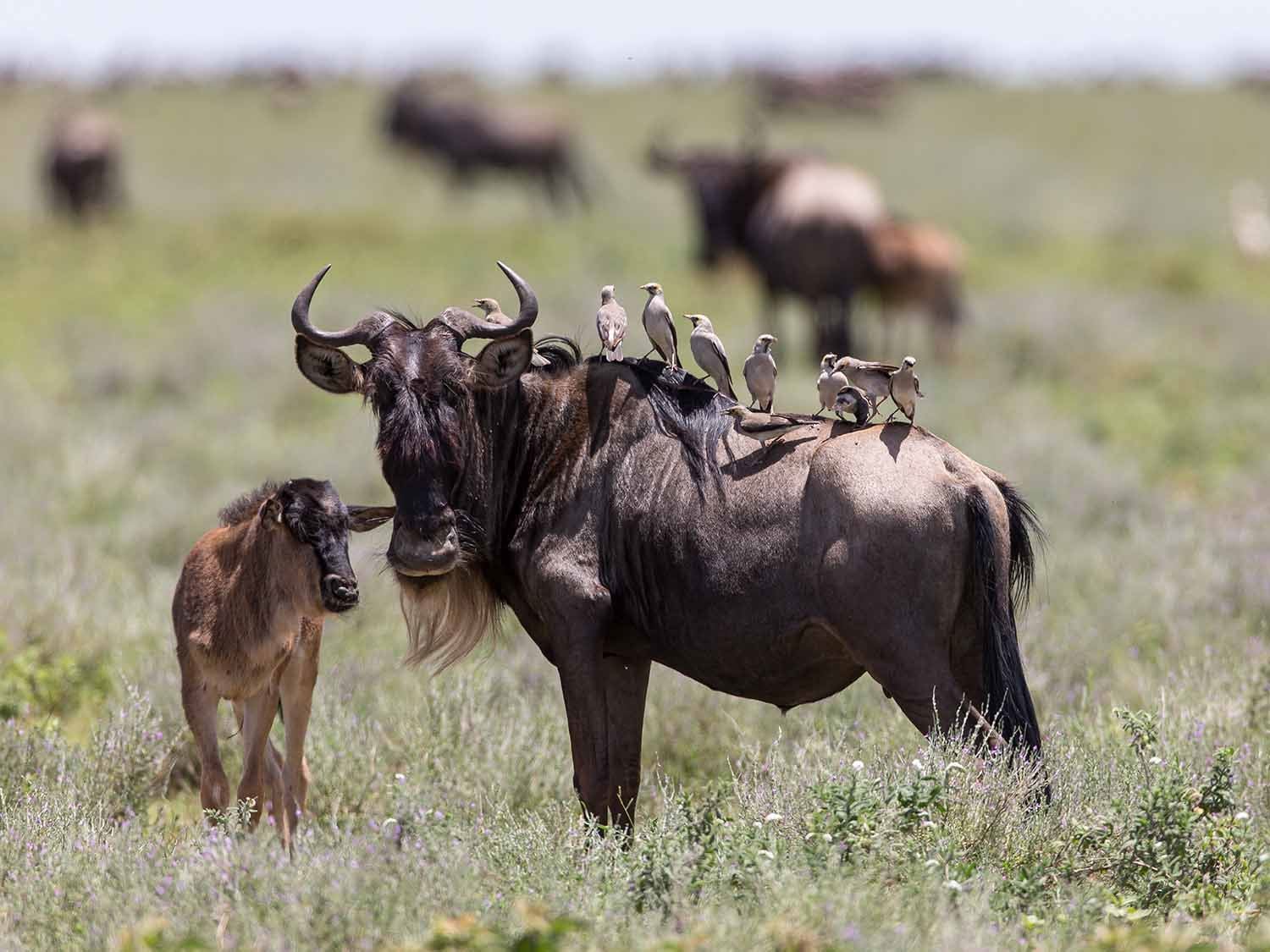
The Wildebeest Births
The sheer scale of the calving season is difficult to imagine.
More than 400,000 wildebeest calves can be born during the broader calving period, with some estimates placing peak births at thousands of calves per day.
The synchronized timing is part of the migration’s natural survival strategy. Large numbers of births occurring within a relatively short period can overwhelm predators and increase the chances that individual calves survive.
For visitors, this creates an extraordinary opportunity to observe different stages of early life in the wild.
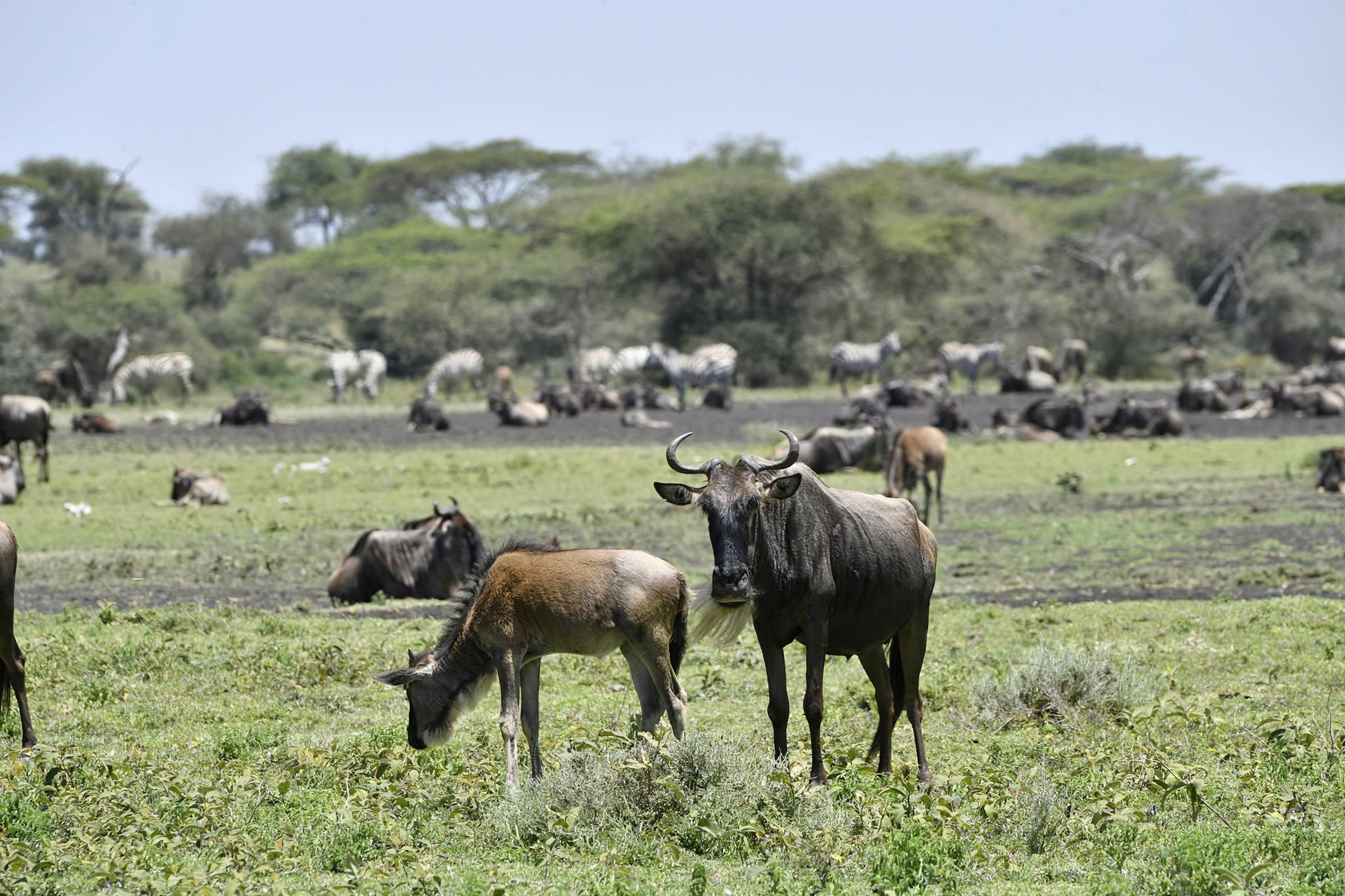
Wildlife You Can See During the Ndutu Calving Season
Although wildebeest are the stars of the season, Ndutu offers much more than newborn calves.
Wildebeest
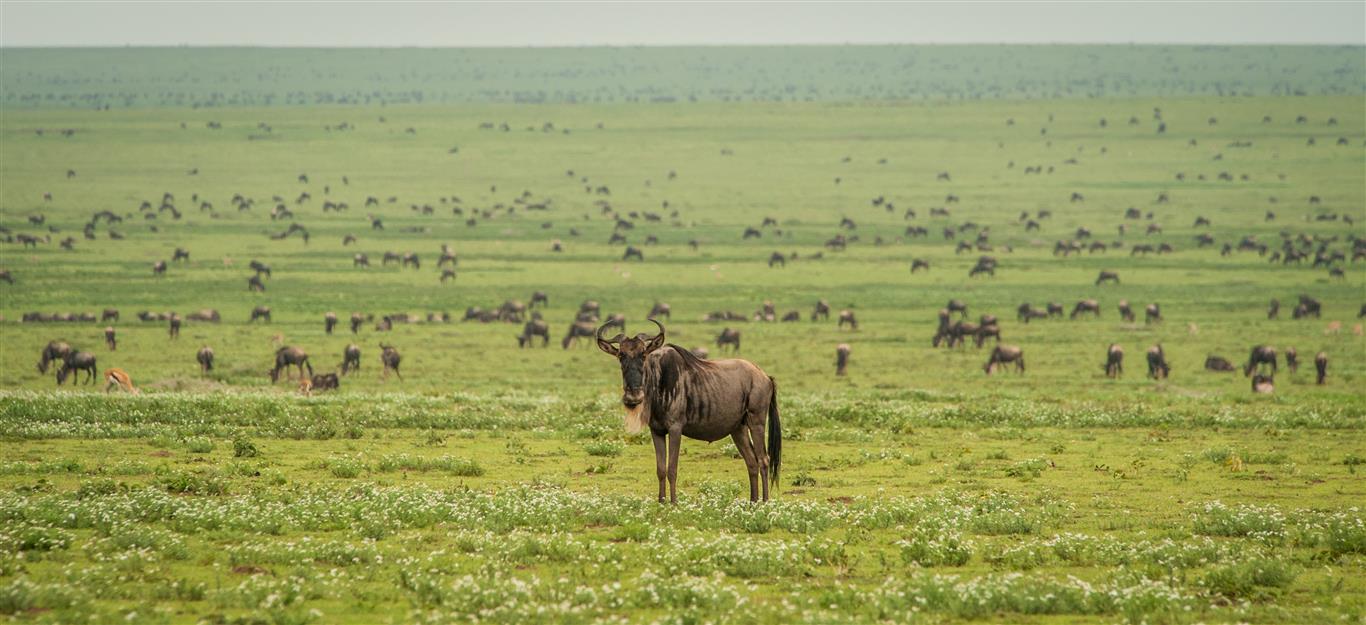
The enormous migrating herds dominate the landscape during the calving period.
Watching thousands of wildebeest moving, grazing, resting, and caring for their young is one of the defining experiences of a Ndutu safari.
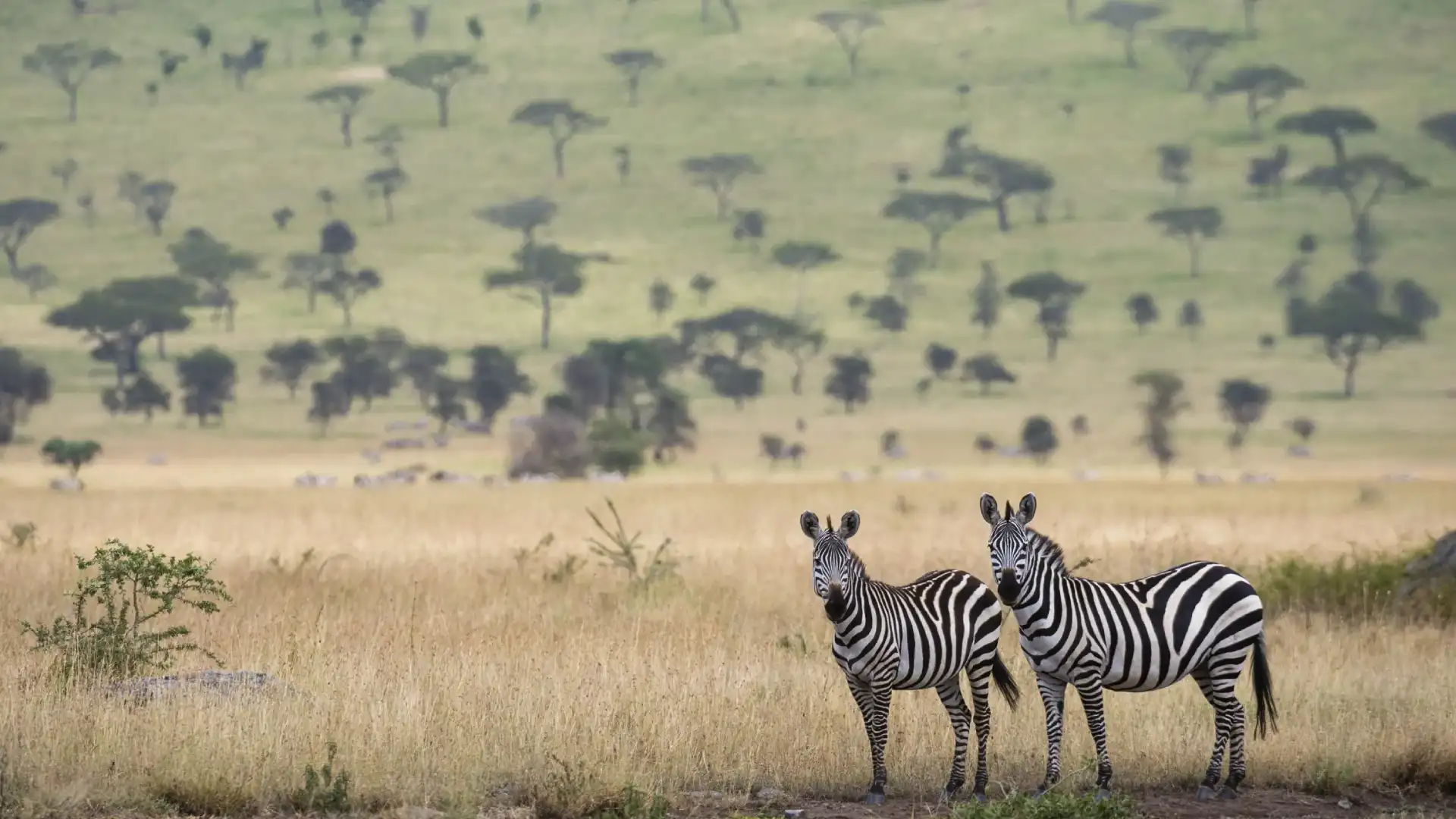
Zebras
Zebras travel alongside the wildebeest migration and are commonly seen grazing across the southern Serengeti plains.
Their contrasting black-and-white patterns create spectacular photographic scenes against the green grasslands.
Lions
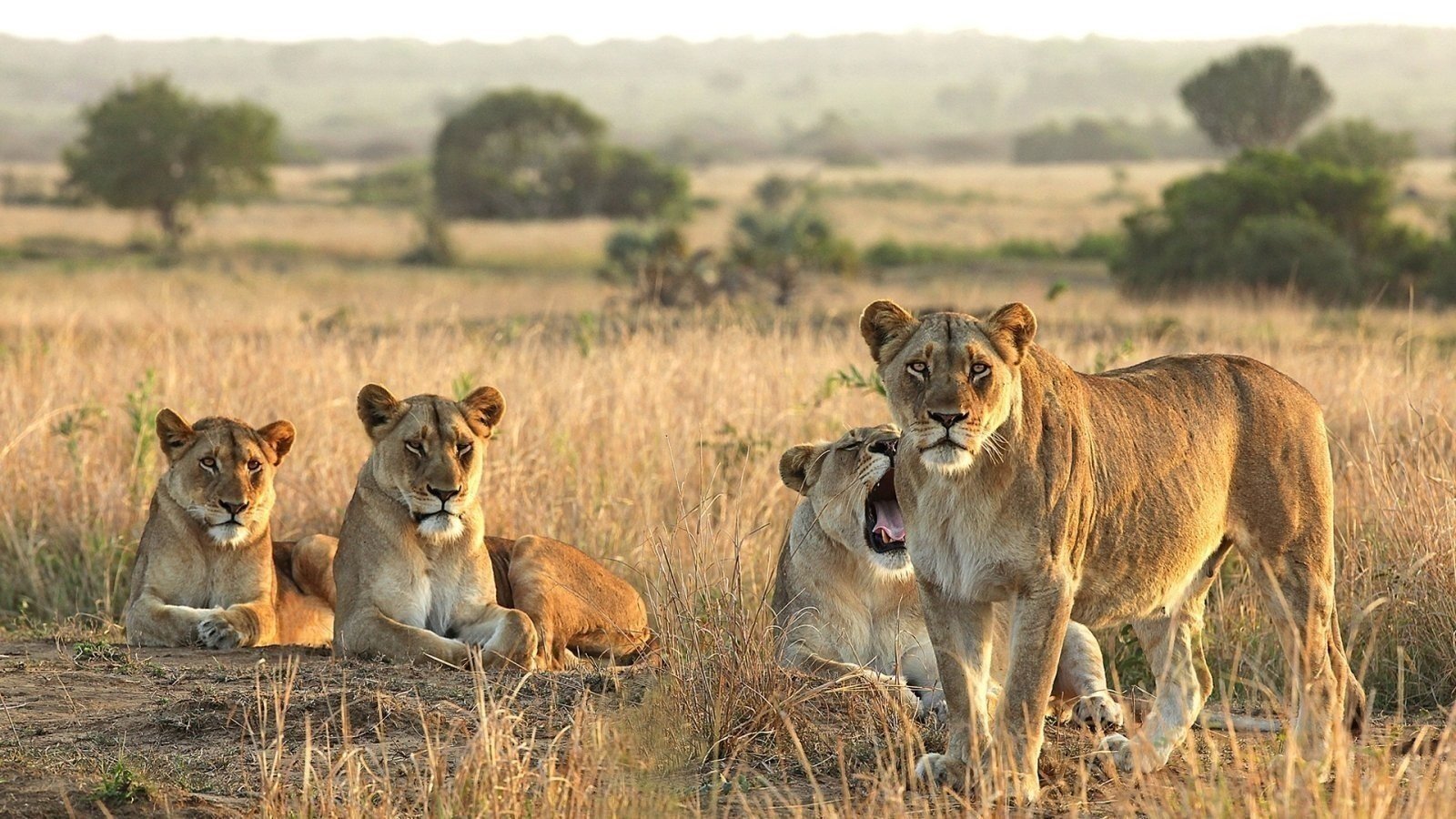
The abundance of young wildebeest attracts lions and other predators.
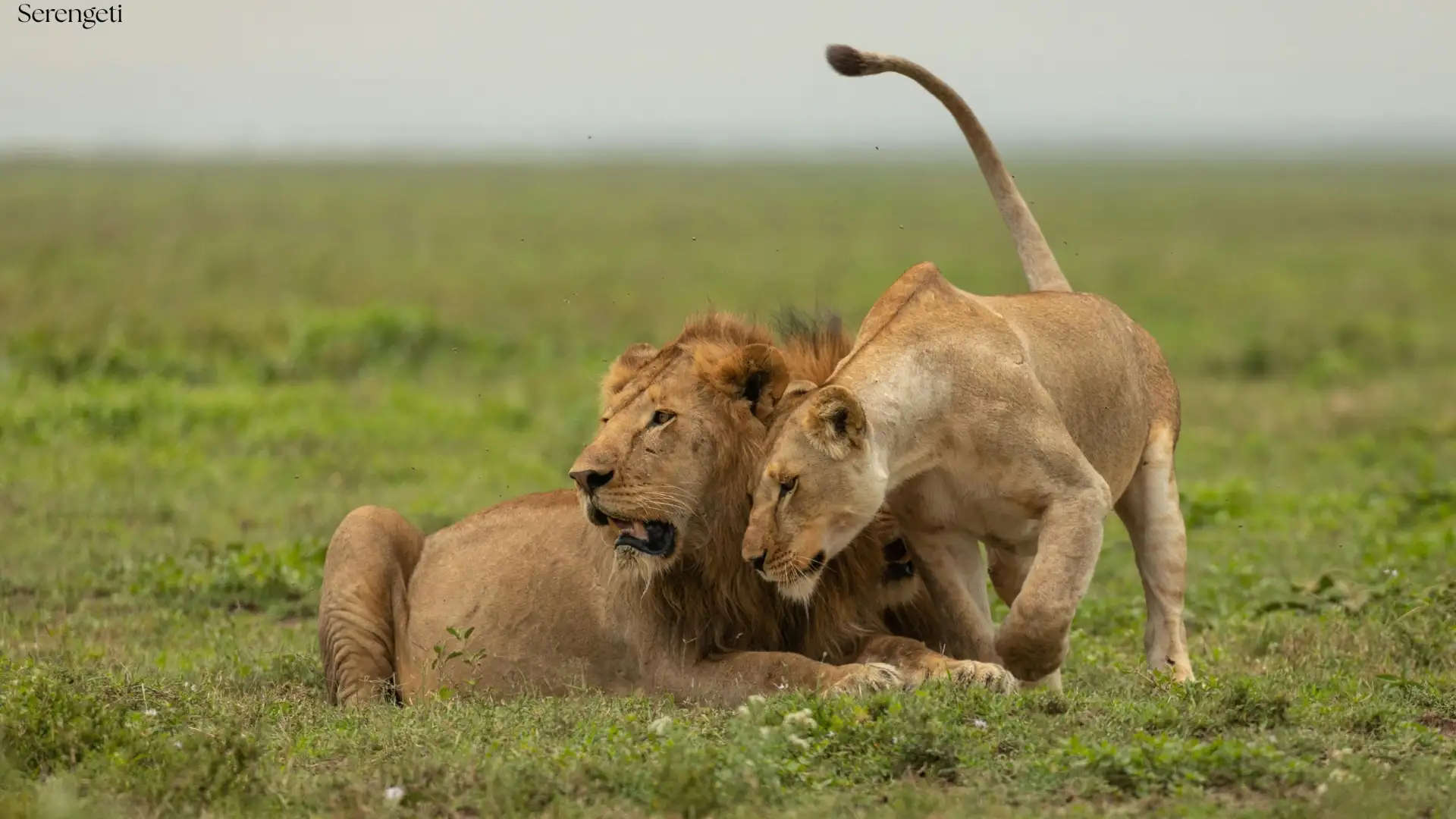
During game drives, you may encounter lion prides resting near the herds or actively hunting.
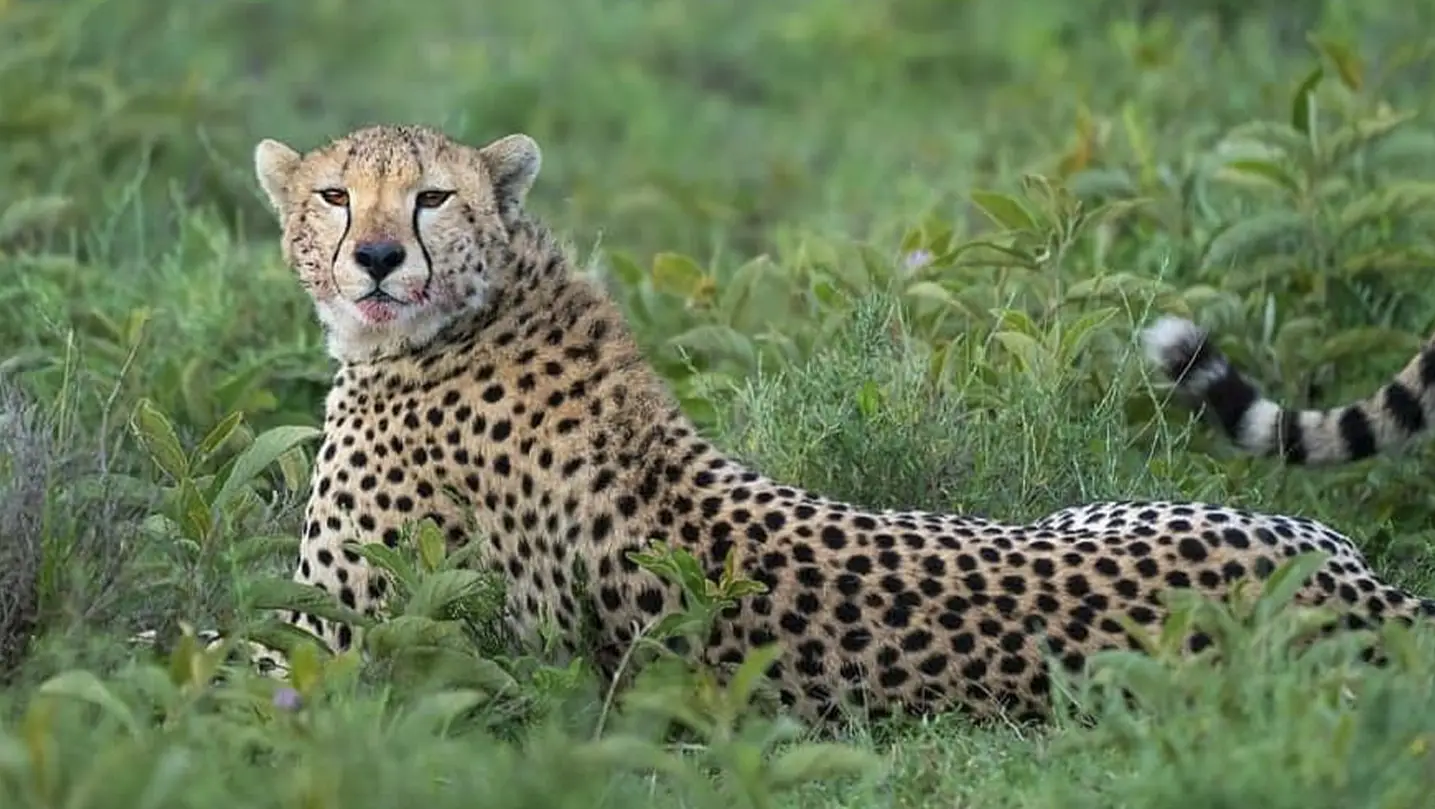
Cheetahs
The open plains of Ndutu provide excellent habitat for cheetahs, which use their speed and hunting skills to pursue prey.
Seeing a cheetah carefully stalking across the grasslands can be one of the highlights of a calving-season safari.
Hyenas
Spotted hyenas are important predators and scavengers within the Serengeti ecosystem.
Their presence becomes particularly noticeable during periods of high prey abundance.
Gazelles
Thomson’s gazelles and Grant’s gazelles are also common across the southern plains, adding to the remarkable diversity of wildlife in the area.
Birds
The calving season also provides excellent opportunities for birdwatching. Raptors, vultures, and other birds can be seen around the plains, benefiting from the abundance of wildlife activity.
Predator Action During Calving Season
One of the main reasons photographers and wildlife enthusiasts choose Ndutu during calving season is the concentration of predators.
Newborn wildebeest are vulnerable, and predators take advantage of this seasonal abundance.
Lions, cheetahs, hyenas, and other predators may be seen hunting or following herds.
This can create dramatic wildlife encounters, but nature can also be unpredictable. A safari guide cannot guarantee a specific hunting or birthing event.
The excitement comes from being in the right environment and allowing nature to unfold naturally.
Is Ndutu Good for Wildlife Photography?
Absolutely.
Ndutu offers some of the most visually rewarding safari conditions in Tanzania.
The combination of open plains, green grass, huge herds, newborn animals, predators, dramatic skies, and beautiful morning and evening light creates excellent opportunities for photographers.
For serious photographers, a private safari vehicle can provide additional flexibility, allowing more time to wait for interesting wildlife behavior without following a fixed group schedule.
What Is the Weather Like During Ndutu Calving Season?
January and February can offer a mix of sunshine, clouds, and occasional rain showers. The seasonal rains are an important part of the ecosystem because they stimulate fresh grass growth.
The resulting green landscapes can be especially beautiful for photography.
Weather conditions vary from year to year, so travelers should be prepared for changing conditions and occasional wet roads.
How Many Days Do You Need for a Ndutu Safari?
A short safari of 3–4 days can provide an introduction to the southern Serengeti and Ndutu.
However, travelers who want to maximize their opportunities for wildlife photography and predator encounters may prefer 4–6 days or longer.
A longer stay gives your safari guide more time to track the herds and allows you to explore different areas rather than rushing between destinations.
Recommended Ndutu Safari Itinerary
A well-planned Ndutu safari can be combined with other northern Tanzania destinations.
Day 1: Arusha to Tarangire National Park
Begin your Tanzania safari with a game drive in Tarangire, famous for its elephants, baobab trees, and diverse wildlife.
Day 2: Tarangire to Ndutu
Travel toward the southern Serengeti and Ndutu area, enjoying wildlife viewing along the way.
Days 3–4: Ndutu Calving Experience
Spend full days exploring the Ndutu plains in search of wildebeest herds, newborn calves, predators, zebras, gazelles, and other wildlife.
Day 5: Ndutu to Ngorongoro
Continue toward the Ngorongoro Conservation Area and enjoy the dramatic landscapes surrounding the crater.
Day 6: Ngorongoro Crater
Enjoy a game drive inside the Ngorongoro Crater before returning to Arusha or continuing with your Tanzania adventure.
The itinerary can be shortened or extended depending on your interests, budget, and travel schedule.
Ndutu Calving Safari vs. Northern Serengeti River Crossings
Both experiences are part of the Great Wildebeest Migration, but they offer very different experiences.
The Ndutu calving season focuses on newborn wildlife, predator activity, green landscapes, and huge herds concentrated in southern Tanzania.
The Northern Serengeti river-crossing season is known for dramatic crossings involving wildebeest attempting to cross rivers while facing crocodiles, strong currents, and steep banks.
If your dream is to see newborn animals and predator interactions, Ndutu is an excellent choice.
If river crossings are your priority, northern Serengeti during the appropriate migration period may be more suitable.
Is Ndutu Calving Season Suitable for Families?
Yes. A Ndutu safari can be an incredible experience for families, particularly children interested in wildlife and nature.
Seeing young animals, large herds, zebras, giraffes, and predators in their natural environment can create memorable educational experiences.
For families, Sweet Memory Adventure can design private safari itineraries with a comfortable pace, appropriate accommodation, and activities suited to the ages and interests of the children.
What Should You Pack for a Ndutu Safari?
A practical packing list should include lightweight clothing, warm layers for early morning game drives, comfortable walking shoes, a hat, sunglasses, sunscreen, insect repellent, binoculars, and a good camera if you enjoy photography.
A light waterproof jacket is also useful because seasonal rainfall can occur.
Neutral-colored clothing is generally practical for safari environments and photography.
Why Book a Private Ndutu Safari?
A private safari offers greater flexibility and allows your itinerary to be designed around your interests.
This is particularly valuable during calving season because wildlife movements are dynamic.
With a private vehicle and professional guide, you can spend more time observing interesting wildlife behavior and adjust your daily schedule according to current conditions.
For photographers and couples, private safaris can be especially appealing because the experience can be tailored around photography, wildlife viewing, and personal preferences.
Why Choose Sweet Memory Adventure for Your Ndutu Safari?
At Sweet Memory Adventure, we understand that a successful Tanzania safari is about more than simply visiting national parks.
Our local safari specialists and professional guides help travelers experience Tanzania’s wildlife at the right places and during the right seasonal periods.
For the Ndutu calving season, we can create private and customized safari itineraries based on your travel dates, interests, accommodation preferences, and budget.
Whether you are a wildlife photographer, honeymoon couple, family, or first-time safari traveler, we can help you experience the incredible southern Serengeti during this extraordinary period of the Great Migration.
When Should You Book a Ndutu Calving Season Safari?
Ndutu is particularly popular during peak calving months, and accommodation close to the migration area can fill well in advance.
Travelers planning to visit during January and February should ideally begin planning early, particularly if they want specific camps, luxury accommodation, or a private safari vehicle.
Early planning also gives you more flexibility when choosing your preferred travel dates and itinerary.
Experience the Ndutu Calving Season With Sweet Memory Adventure
The Ndutu Calving Season is more than a wildlife spectacle. It is a remarkable opportunity to witness one of nature’s greatest cycles of life unfolding across the southern Serengeti.
From thousands of wildebeest gathering across the plains to newborn calves taking their first steps and predators waiting nearby, every game drive can bring a completely different experience.
If seeing the Great Wildebeest Migration is on your Tanzania travel wish list, consider experiencing it during the calving season.
Contact Sweet Memory Adventure to plan your customized Ndutu safari.
Call/WhatsApp: +255 756 775 771
Email: info@sweetmemoryadventure.com
Website: www.sweetmemoryadventure.com
Sweet Memory Adventure — Your Tanzania Safari, Your Way.
Frequently Asked Questions About Ndutu Calving Season
When is the Ndutu calving season?
The Ndutu calving season generally takes place between January and March, with the most intense period often occurring around January and February. The exact timing can vary from year to year depending on rainfall and grazing conditions.
What is the best month to visit Ndutu for the calving season?
February is often considered one of the best months to experience the heart of the Ndutu calving season. Large wildebeest herds gather across the southern plains, newborn calves are abundant, and predator activity can be particularly exciting.
How many wildebeest are born during the Ndutu calving season?
Hundreds of thousands of wildebeest calves are born during the broader calving period. The synchronized births create one of the most remarkable wildlife spectacles in Tanzania and provide an important opportunity for young animals to survive despite intense predator pressure.
What animals can I see during the Ndutu calving season?
In addition to wildebeest and their newborn calves, visitors can see zebras, Thomson’s gazelles, Grant’s gazelles, lions, cheetahs, spotted hyenas, jackals, giraffes, and numerous bird species. The exact wildlife sightings depend on seasonal movements and daily conditions.
Can I see predators during the Ndutu calving season?
Yes. The abundance of newborn wildebeest attracts predators such as lions, cheetahs, spotted hyenas, and other carnivores. This makes Ndutu particularly attractive to wildlife enthusiasts and photographers interested in predator-prey interactions.
Is Ndutu part of the Serengeti?
Ndutu is located within the southern Serengeti ecosystem and around the boundary between Serengeti National Park and the Ngorongoro Conservation Area. The area is an important part of the annual Great Wildebeest Migration and calving cycle.
Is February a good time for a Tanzania safari?
Yes. February can be an exceptional month for a Tanzania safari, particularly for travelers interested in the wildebeest calving season. Besides Ndutu, a northern Tanzania itinerary can include destinations such as Ngorongoro Crater and Tarangire National Park.
How many days do I need for a Ndutu safari?
A 3–4 day safari can provide a good introduction to Ndutu, while 4–6 days or longer allows more time to explore the area and look for wildlife. A longer stay can be especially valuable for photographers who want more opportunities to observe animal behavior.
Is Ndutu suitable for a family safari?
Yes. Ndutu can be an exciting destination for families because children can see large herds, newborn animals, zebras, predators, and other wildlife in their natural environment. A private safari can also provide a more flexible pace suitable for families.
Is Ndutu good for wildlife photography?
Ndutu is an excellent destination for wildlife photography. The combination of newborn animals, large herds, predators, green plains, dramatic skies, and beautiful morning and evening light creates many photographic opportunities.
Should I book a private safari for the Ndutu calving season?
A private safari can be particularly beneficial during the calving season because it provides greater flexibility. You can spend more time at interesting wildlife sightings and adjust your game-drive schedule according to current conditions and the movement of the herds.
How far in advance should I book a Ndutu calving safari?
It is advisable to plan your safari well in advance, particularly if you want to travel during January or February and prefer specific camps, luxury accommodation, or a private safari vehicle. Early booking provides greater flexibility with accommodation and itinerary planning.
Can I combine Ndutu with Ngorongoro Crater and Serengeti?
Absolutely. Ndutu can be incorporated into a wider northern Tanzania safari that includes Serengeti National Park, Ngorongoro Crater, Tarangire National Park, and other destinations. Sweet Memory Adventure can customize the itinerary according to your travel dates and interests.
Can Sweet Memory Adventure organize a Ndutu Calving Season safari?
Yes. Sweet Memory Adventure can arrange customized Ndutu calving season safaris for couples, families, private groups, and wildlife photographers. Your itinerary can be tailored around your preferred travel dates, accommodation, safari duration, and budget.