Combining Kilimanjaro Hiking and Safari: Discover Two Sides of Tanzania
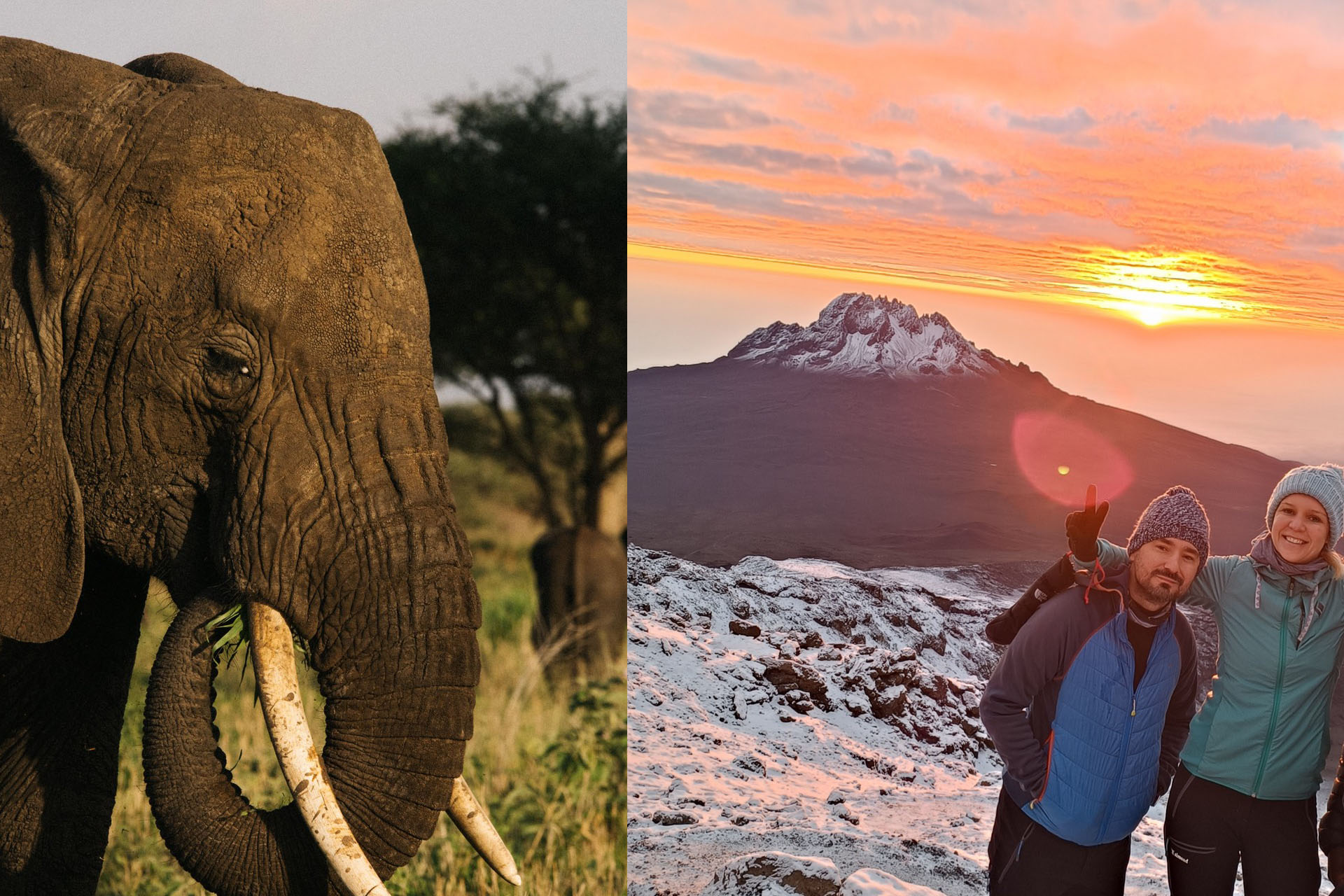
Imagine standing on the summit of Mount Kilimanjaro as the first rays of sunlight illuminate the African landscape, then spending the following days watching elephants cross the savannah, lions rest beneath acacia trees, and giraffes move gracefully through the wilderness. This is the extraordinary experience you can enjoy when combining Kilimanjaro hiking and safari in Tanzania.
Tanzania offers a rare opportunity to bring together an exciting mountain adventure and an unforgettable wildlife holiday in one journey. Mount Kilimanjaro attracts trekkers from around the world who dream of reaching the highest point in Africa, while the country’s famous national parks provide exceptional opportunities to discover wildlife in its natural habitat.
With Sweet Memory Adventure, you can plan a combined Tanzania holiday that brings these experiences together in a way that suits your travel dates, fitness level, interests, and budget. Whether you are a couple seeking an adventurous getaway, a group of friends planning a memorable trip, or an experienced hiker looking for your next challenge, combining a Kilimanjaro climb with a wildlife safari can create a remarkably rewarding African adventure.
The secret to a successful trip is thoughtful planning. Choosing the right climbing route, allowing enough time for acclimatization, selecting suitable safari destinations, and scheduling recovery time can help you enjoy both experiences without making your holiday feel rushed.
Why Combine Kilimanjaro Hiking and Safari in One Trip?
For many travelers, Tanzania is a destination they hope to visit once in a lifetime. Combining mountain trekking and wildlife viewing allows you to experience two very different sides of the country without planning separate international trips.
Experience Africa’s Highest Mountain
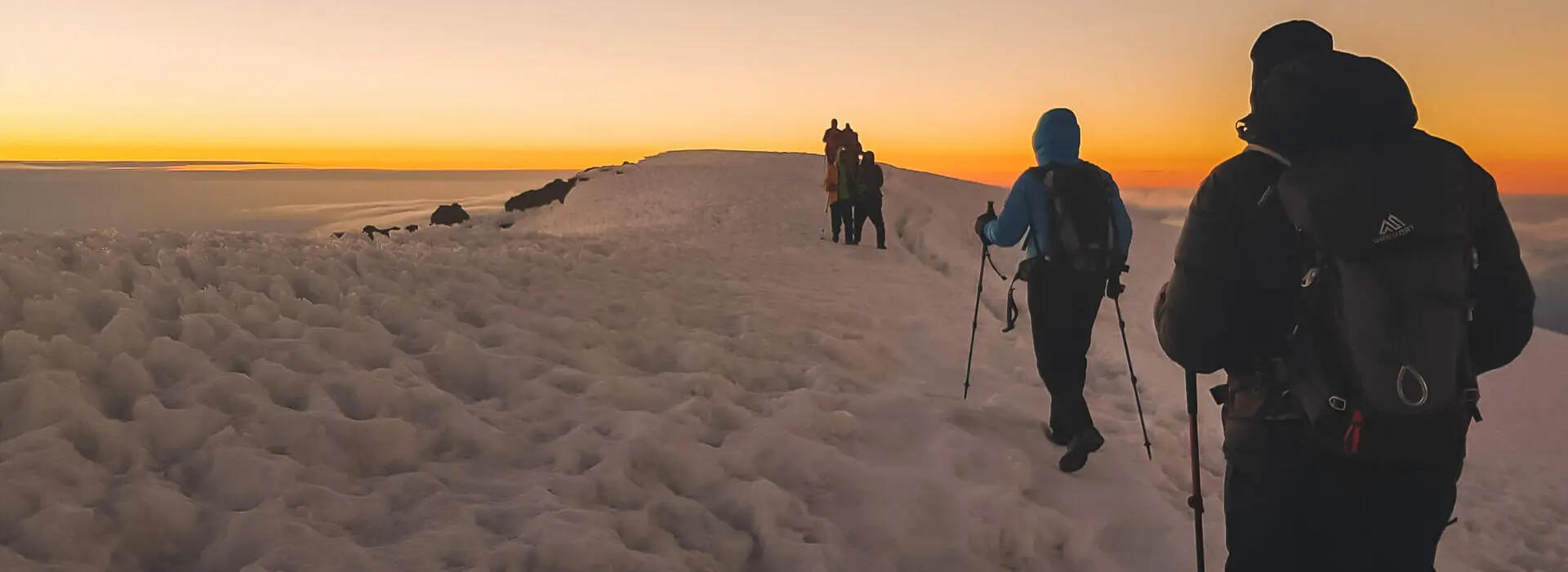
Mount Kilimanjaro rises to approximately 5,895 meters above sea level and is the highest mountain in Africa. Its remarkable landscapes change as you climb, taking you from cultivated foothills and lush montane forest into moorland, alpine desert, and the high-altitude summit zone.
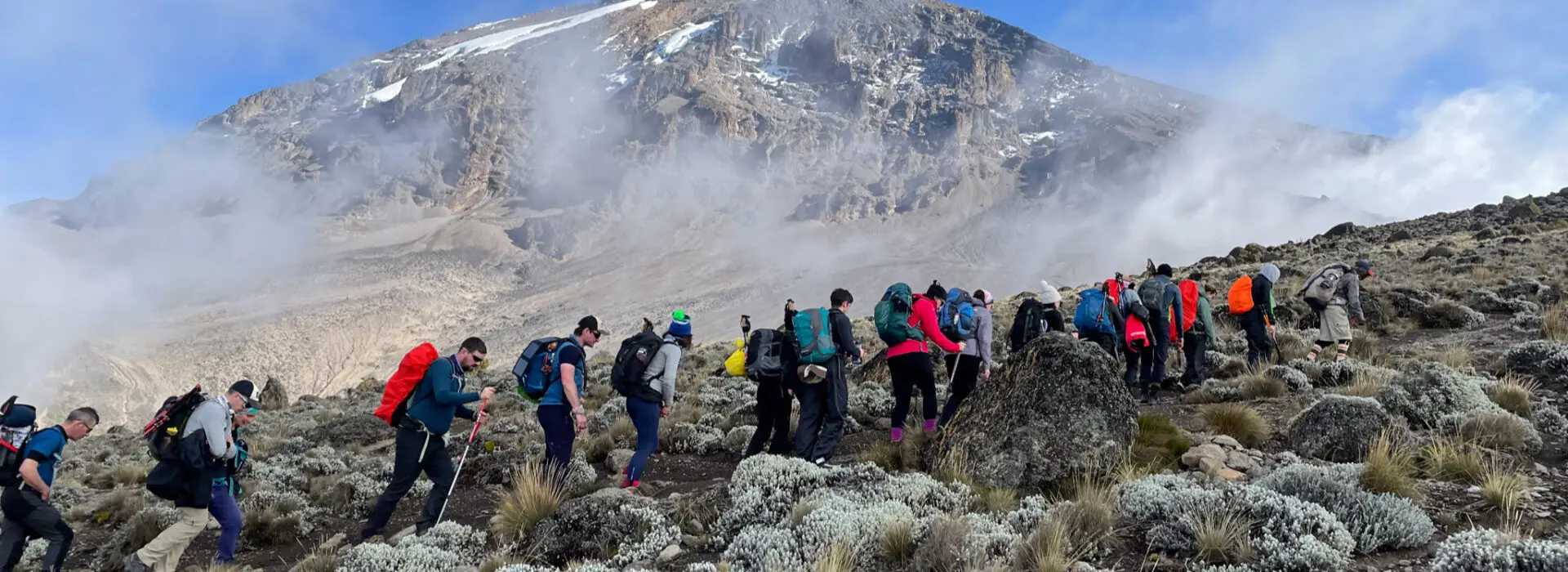
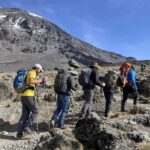
The journey is about much more than reaching the top. Each day presents a different environment, new scenery, and the challenge of adapting to increasing altitude. Guided trekking allows you to experience the mountain at a measured pace while learning about its natural environment and the importance of responsible mountain travel.
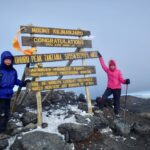
Reaching Uhuru Peak is an unforgettable achievement, but summit success is never guaranteed. Choosing an appropriate route and allowing sufficient time for acclimatization are important parts of planning a responsible climb.
Discover Tanzania’s Famous Wildlife
After spending several days walking through mountain landscapes, you can exchange your hiking boots for comfortable safari clothing and explore Tanzania’s remarkable wildlife areas.
Northern Tanzania is home to several celebrated national parks, including Serengeti National Park, Tarangire National Park, and Lake Manyara National Park, as well as the Ngorongoro Conservation Area. Each destination offers distinctive scenery and wildlife experiences.
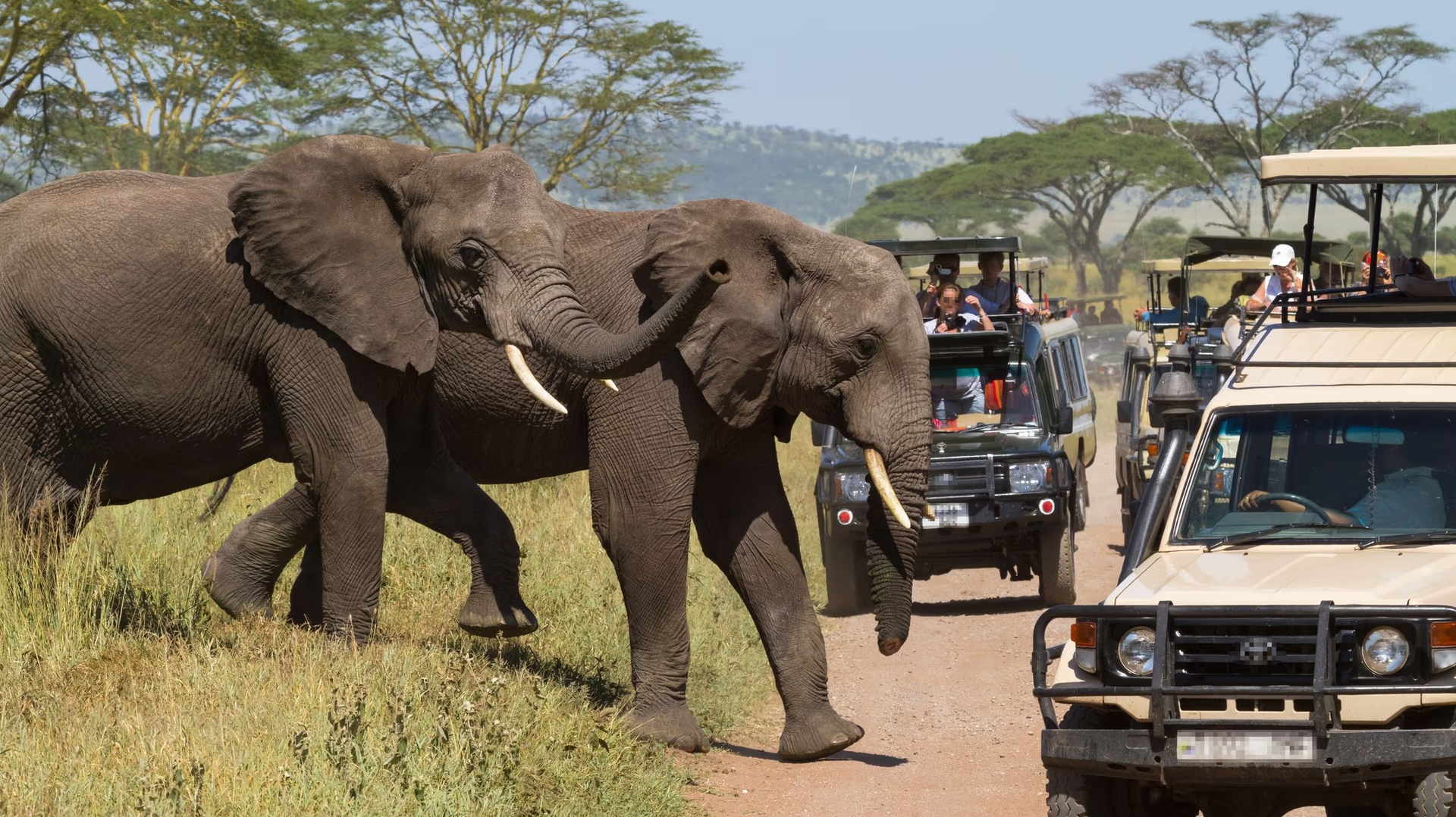
You may watch elephants gathering near water, search for lions resting in the grass, observe zebras and wildebeest grazing across open plains, or look for leopards in the trees. Depending on the destination and season, your safari may also provide opportunities to witness the Great Wildebeest Migration.
The wildlife encounters are naturally unpredictable, which is part of what makes every game drive special. Your guide helps you explore the parks and look for animals while respecting their natural behavior.
Enjoy Adventure and Relaxation in One Holiday
Kilimanjaro trekking is physically demanding, while a traditional safari involves traveling through wildlife areas in a safari vehicle, stopping for observation and photography. Combining the two creates a balanced holiday with a challenging mountain experience followed by a generally more relaxed way to explore Tanzania.
You can also extend your trip with a few days in Zanzibar, where white-sand beaches, historic Stone Town, and Indian Ocean activities provide a peaceful conclusion to your adventure.
Rather than choosing between mountains, wildlife, and beaches, you can experience all three with a well-designed itinerary.
How to Plan a Kilimanjaro and Safari Combination
A combined holiday involves more than booking a climb and adding a safari afterward. The two experiences need to be planned together so that your travel dates, transfers, accommodation, and recovery time work smoothly.
Should You Climb Kilimanjaro Before or After Your Safari?
For most travelers, climbing Kilimanjaro first and going on safari afterward is a practical choice.
A summit attempt requires physical effort, mental preparation, and time to adjust to altitude. Starting with the mountain allows you to focus on the climb while you are relatively fresh. Once you descend, a safari offers a different pace, with much of the wildlife viewing done from a vehicle.
It is wise to include a recovery night in Moshi or another suitable location after the climb before beginning a demanding safari itinerary. Depending on how you feel, your descent time, and the arrangements, an additional rest day may be beneficial.
There are circumstances where a safari-first itinerary can work, especially when it is short and the schedule includes adequate rest before trekking. However, the best sequence depends on your arrival time, fitness, chosen route, and overall holiday duration.
Sweet Memory Adventure can help you arrange the order of activities and coordinate transfers so your mountain and wildlife experiences fit together comfortably.
How Many Days Do You Need?
The total duration depends on your chosen Kilimanjaro route, the number of safari days, and whether you want to include Zanzibar or other activities.
Many standard Kilimanjaro itineraries take approximately five to nine days on the mountain, depending on the route and schedule. Longer itineraries generally allow more time for acclimatization, while the safari portion can range from a short wildlife trip to a more extensive exploration of several national parks.
For a combined holiday, consider the following general planning guide:
- Around 10–12 days: A shorter climbing itinerary, recovery time, and a compact safari. This requires careful scheduling and may limit the number of parks you can visit.
- Around 13–16 days: A more balanced option for a six- to eight-day climb, recovery time, and a multi-day safari.
- Around 17–21 days or longer: More flexibility for a longer climbing route, additional wildlife destinations, and a possible Zanzibar beach holiday.
These are planning estimates rather than fixed package durations. International arrival and departure days, weather-related delays, and the actual route you choose can affect the final schedule.
Our recommendation is to avoid shortening the climb solely to fit in more safari destinations. A well-planned journey should give you enough time to enjoy the mountain and the wildlife without unnecessary pressure.
Choosing the Best Kilimanjaro Hiking Route for Your Safari Holiday
Your climbing route influences the length of your trip, the scenery you experience, and the time available for acclimatization. Sweet Memory Adventure can help you compare routes based on your experience, preferences, fitness, and available days.
Machame Route: A Scenic and Popular Trek
The Machame Route is one of the best-known approaches to Mount Kilimanjaro. It passes through varied landscapes, including forest, moorland, and high-altitude terrain, with striking views along the way.
The route is commonly completed in six or seven days, depending on the itinerary. Its gradual changes in scenery and opportunities for altitude adaptation make it an attractive option for many trekkers, although the terrain and daily distances can be challenging.
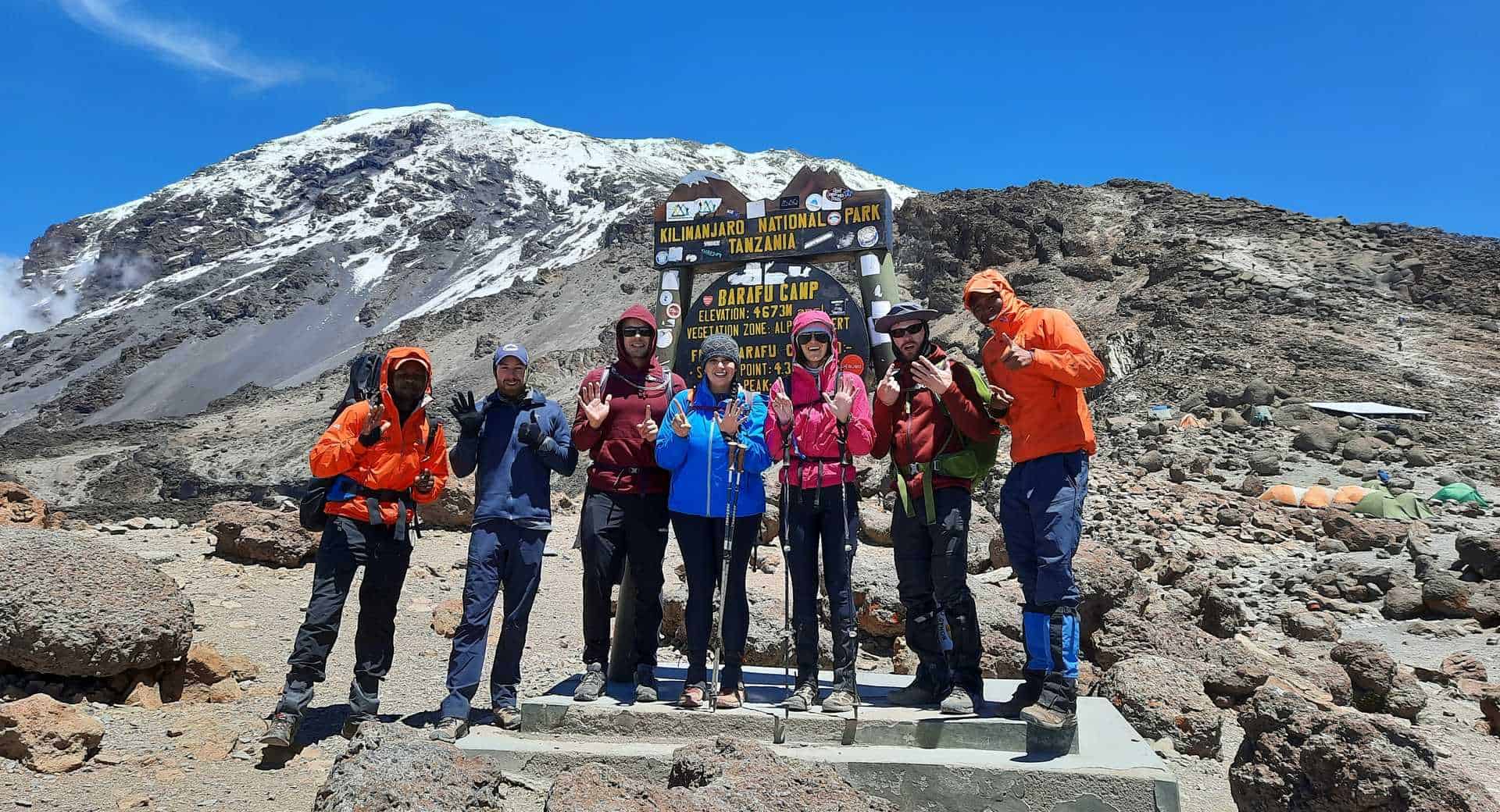
For travelers combining a Kilimanjaro climb with a safari, Machame can work well when the overall schedule allows enough time for the trek, descent, recovery, and wildlife viewing.
Lemosho Route: A Longer and Scenic Adventure
The Lemosho Route is known for its beautiful landscapes and the opportunity to experience a longer approach to the mountain. Depending on the selected itinerary, it can take seven or eight days or longer.
The additional time can provide valuable opportunities for acclimatization and a more gradual trekking experience. This makes Lemosho worth considering for travelers who have enough time and want to prioritize their mountain adventure before exploring Tanzania’s wildlife.
A longer route does require more days and can increase the overall trip cost, but for many hikers, the additional time on the mountain is an important part of the experience.
Marangu Route: Mountain Huts and a Different Trekking Style
The Marangu Route is distinctive because accommodation on the mountain is provided in designated huts rather than the tented camps used on many other routes. It is often considered by travelers who prefer hut accommodation.
The climb is commonly planned over five or six days, although a longer schedule may be available. Its shorter versions offer less time for acclimatization than many longer itineraries, so the route should not be selected on duration alone.
When combining Kilimanjaro hiking and safari, consider whether the route’s schedule, accommodation style, and acclimatization opportunities suit your priorities rather than simply choosing the shortest option.
Rongai Route: A Northern Approach to Kilimanjaro
The Rongai Route approaches Kilimanjaro from the northern side of the mountain, near the Kenyan border. It offers a different perspective from the more frequently used southern approaches and passes through distinctive mountain landscapes.
It is generally planned over six or seven days, depending on the itinerary. Travelers may consider Rongai if they prefer this approach and want to combine the climb with a northern Tanzania wildlife safari.
As with all Kilimanjaro routes, the appropriate duration and acclimatization plan should take priority over fitting the trek into the smallest possible number of days.
Best Safari Destinations to Combine with Kilimanjaro Hiking
After the climb, you can explore some of Tanzania’s most remarkable wildlife destinations. The best combination depends on how many days you have, the wildlife you hope to see, and your accommodation preferences.
Tarangire National Park: Elephants and Iconic Baobab Trees
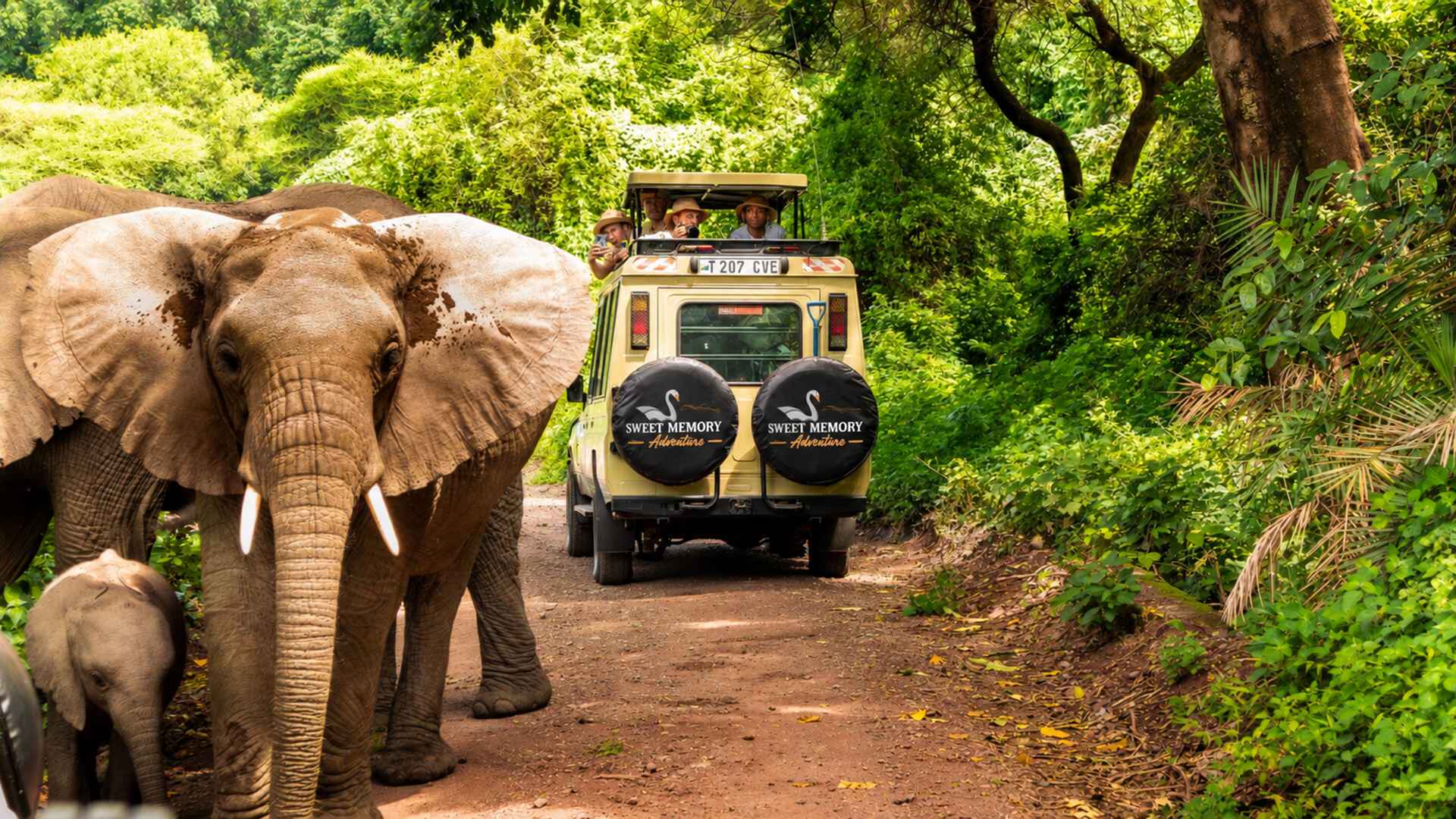
Tarangire National Park is an excellent choice for travelers looking for a memorable wildlife experience after climbing Kilimanjaro. The park is famous for its large elephant herds, impressive baobab trees, and diverse landscapes.
Game drives provide opportunities to encounter elephants, giraffes, zebras, wildebeest, buffaloes, and numerous bird species. Lions and other predators also inhabit the park, although sightings depend on conditions and luck.
Tarangire is particularly useful for a shorter safari because it can be combined with other northern Tanzania destinations. It offers a rewarding introduction to wildlife viewing without requiring a long stay in every park.
Serengeti National Park: The Great African Wilderness
Serengeti National Park is one of Africa’s most celebrated wildlife destinations. Its immense plains, diverse habitats, and abundant wildlife make it a highlight for travelers seeking a classic safari.
During game drives, you may see lions, elephants, giraffes, zebras, cheetahs, hyenas, and other wildlife. The park is also famous for the Great Wildebeest Migration, when enormous herds of wildebeest and zebras move through the ecosystem in search of grazing and water.
The location of the herds changes throughout the year, so your travel dates and preferred migration experience should influence where you stay and which parts of the park you visit. River crossings are unpredictable and cannot be guaranteed.
The Serengeti requires more time and careful logistical planning than some closer destinations, but it is well worth considering if wildlife viewing is one of the main reasons for your Tanzania holiday.
Ngorongoro Crater: A Spectacular Wildlife Destination
The Ngorongoro Crater is a remarkable natural attraction within the Ngorongoro Conservation Area. Its dramatic caldera, grasslands, woodland, and wetlands support an impressive variety of wildlife.
A crater game drive may offer opportunities to see lions, elephants, buffaloes, zebras, wildebeest, and, with luck, the endangered black rhinoceros. The area is particularly popular with visitors hoping to see several iconic African species during one outing.
Ngorongoro is often combined with Tarangire and the Serengeti to create a classic northern Tanzania safari. However, conservation-area fees and travel arrangements should be included when comparing package costs.
Lake Manyara National Park: Forests, Wildlife, and Birdlife
Lake Manyara National Park offers a different landscape from the open plains of the Serengeti. Its habitats include groundwater forests, open grasslands, and areas around the lake, supporting a range of wildlife and bird species.
Visitors may encounter elephants, baboons, giraffes, zebras, and other animals during game drives. The park is also known for its birdlife and the possibility of seeing tree-climbing lions, although these are not guaranteed.
Lake Manyara can be a suitable addition for travelers with extra time or those seeking variety in their safari itinerary.
Sample Itinerary: Combining Kilimanjaro Hiking and a Tanzania Safari
The following is an example of how a combined holiday could be arranged. It is a planning outline, not a fixed departure or guaranteed schedule. The final itinerary should reflect your chosen route, arrival time, recovery needs, and safari priorities.
Days 1–2: Arrive in Tanzania and Prepare for the Climb
Arrive through Kilimanjaro International Airport and transfer to your accommodation in Moshi or another suitable location. Depending on your arrival time, you can rest, meet your mountain team, review your equipment, and attend the climb briefing.
Allowing time to recover from international travel and prepare for the trek helps you start the mountain adventure in a more organized way.
Days 3–9: Climb Mount Kilimanjaro
Begin your selected Kilimanjaro route, such as Machame or Lemosho, following the planned stages through different ecological zones. Daily trekking distances, camps, and altitude changes depend on the route and itinerary.
Your mountain team will guide the trek and monitor how you are adjusting to the altitude. The summit attempt and descent form the most demanding part of the experience, so the schedule should prioritize safety and appropriate acclimatization.
Day 10: Recover in Moshi
After descending from the mountain, return to your accommodation and take time to rest. Enjoy a comfortable meal, rehydrate, organize your belongings, and prepare for the safari.
Depending on your condition and schedule, an additional recovery day may be advisable. Avoid arranging a demanding transfer or a tightly timed flight immediately after the climb.
Days 11–14: Explore Northern Tanzania on Safari
Begin your wildlife adventure with a game drive in Tarangire National Park, followed by visits to other destinations selected for your itinerary. A longer safari may include Serengeti National Park and Ngorongoro Crater, with accommodation arranged near or within suitable wildlife areas.
Enjoy game drives in search of elephants, lions, giraffes, zebras, and other wildlife while taking in Tanzania’s remarkable scenery. Your route can be adjusted to suit the available time, budget, and seasonal wildlife opportunities.
Day 15: Return to Arusha or Continue to Zanzibar
After the safari, return to Arusha or transfer according to your onward travel arrangements. If your schedule allows, you can continue to Zanzibar for a beach holiday, extending your Tanzanian adventure with relaxation by the Indian Ocean.
This example demonstrates why a combined trip often works best with approximately two weeks or more. Shorter arrangements are possible, but the climbing route and recovery time should remain appropriate.
Can You Combine Kilimanjaro Hiking, Safari, and Zanzibar?
Yes. Adding Zanzibar can turn your mountain and wildlife adventure into a more varied holiday that includes beaches, history, culture, and ocean activities.
After climbing Kilimanjaro and exploring Tanzania’s national parks, you can travel to Zanzibar to discover Stone Town, relax on white-sand beaches, take a boat excursion, or enjoy snorkeling and other water activities where conditions permit.
A few days on the island can provide a welcome change of pace after trekking and safari. However, you should account for domestic flights or other transfers, accommodation, and the time needed to reach your departure airport.
If you want to include all three experiences, let Sweet Memory Adventure know from the beginning. Planning the mountain, safari, and beach portions together helps ensure that your travel dates and transfers fit together smoothly.
How Much Does a Kilimanjaro and Safari Combination Cost?
The cost of combining Kilimanjaro hiking and safari depends on several factors, including your climbing route, number of days on the mountain, group size, accommodation preferences, safari destinations, and travel season.
The mountain portion typically includes park and conservation fees, mountain guides, porter support, meals and camping or hut arrangements as applicable, and transfers specified in the package. The safari portion may include a safari vehicle, professional guide, park fees, accommodation, meals, and game drives, depending on the package.
A private trip provides greater flexibility but can cost more overall than joining an available group. The per-person price of a private arrangement may become more manageable when several travelers share costs.
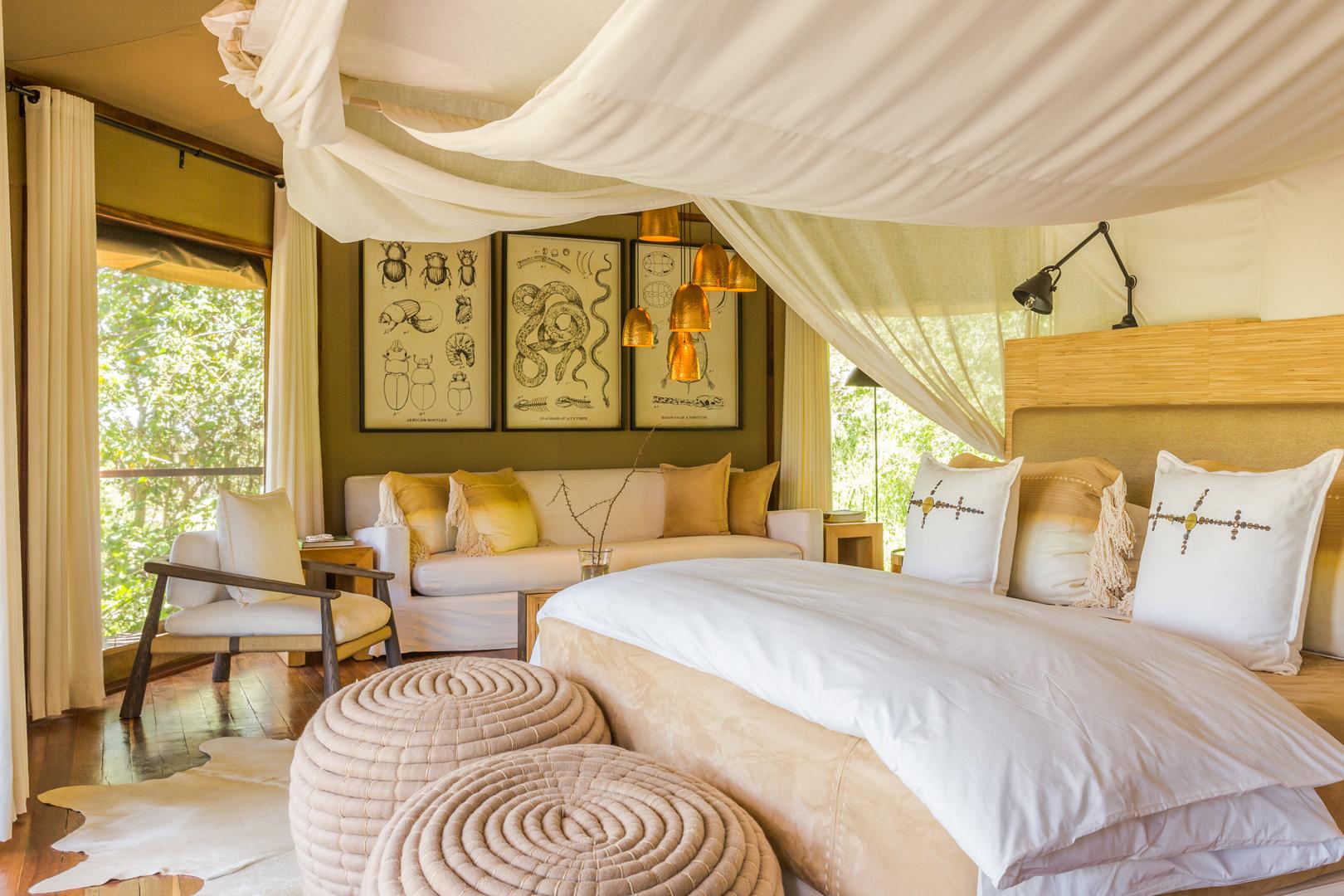
Accommodation also makes a significant difference. Travelers who choose practical lodges or camping options may be able to manage their overall budget, while those preferring luxury lodges and exclusive tented camps should plan for higher costs.
When comparing quotations, check exactly what is included. International flights, visas, tips, travel insurance, personal equipment, extra accommodation, and optional activities may be excluded unless stated otherwise.
Sweet Memory Adventure can prepare a personalized proposal based on your dates, preferred climbing route, safari interests, group size, and comfort level. This allows you to compare options that reflect your actual plans rather than relying on a generic estimate.
When Is the Best Time to Combine Kilimanjaro Hiking and Safari?
The best time depends on the type of experience you want and the destinations you plan to visit.
Kilimanjaro can be climbed at different times of the year, but weather conditions vary. Many travelers prefer periods with generally drier trekking conditions, while other months can offer quieter trails and greener landscapes. Conditions at high altitude can change quickly regardless of the season.
Safari experiences also vary throughout the year. The dry season is popular for wildlife viewing in several northern parks, while the greener months can provide beautiful scenery and rewarding birdwatching. The Great Wildebeest Migration follows seasonal movements across the Serengeti ecosystem, so the most suitable location depends on your travel dates.
Because climbing conditions and wildlife patterns do not always align perfectly, it is important to consider both parts of the holiday when choosing dates. Sweet Memory Adventure can help you identify practical options based on your interests and the time available.
Essential Tips for Planning a Successful Combined Adventure
Prepare Physically Before the Climb
Regular walking, hiking, and aerobic exercise can help you prepare for the demands of Kilimanjaro. Training should build gradually and reflect your current fitness level. If possible, practice walking on uneven terrain and carrying the daypack you expect to use.
You do not need to be an elite athlete, but you should understand that the climb involves consecutive days of walking at altitude. If you have concerns about your fitness or health, seek advice from a qualified healthcare professional before traveling.
Prioritize Acclimatization and Safety
Altitude affects people differently, and physical fitness alone does not eliminate the risk of altitude-related illness. Choose a route and schedule that provide appropriate time for acclimatization, follow your guides’ instructions, and communicate symptoms promptly.
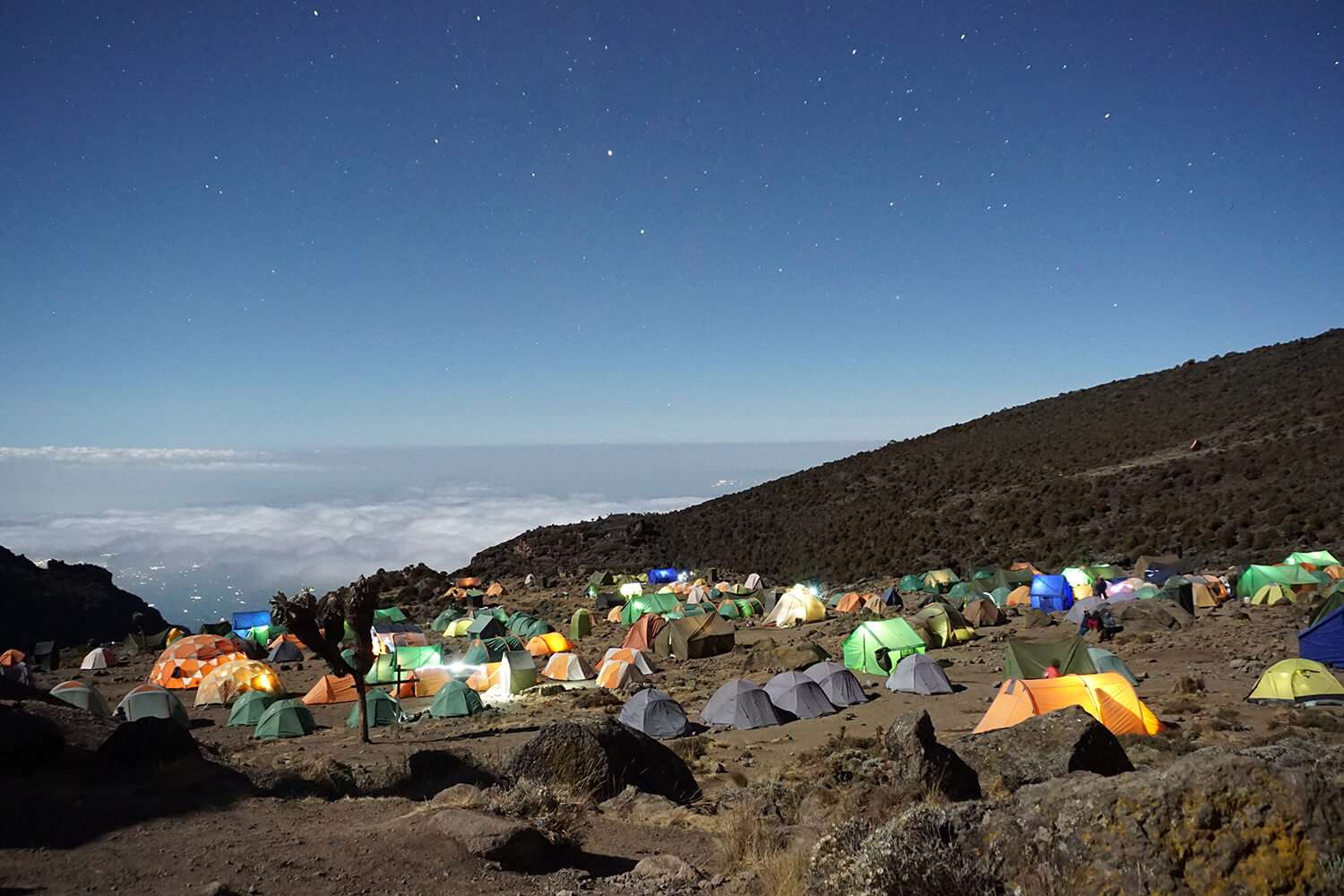
Do not treat reaching the summit as more important than your health. Your mountain team should prioritize safety and respond appropriately if you are not adjusting well to the altitude.
Pack for Both the Mountain and the Safari
Kilimanjaro and safari require different clothing and equipment. The mountain calls for layered clothing, suitable hiking boots, rain protection, warm summit clothing, and other trekking essentials. Safari clothing should be comfortable for long game drives and changing temperatures, with sun protection and practical footwear.
You can usually organize your luggage so that nonessential mountain equipment is stored securely during the safari, subject to your accommodation and operator arrangements. Confirm baggage storage and luggage limits in advance, particularly if your itinerary includes light aircraft.
Leave Space for Recovery and Travel Delays
Avoid scheduling your safari or international departure too tightly around the expected end of your climb. Weather, altitude-related concerns, or other operational factors can affect the itinerary.
A recovery night—and, where possible, some schedule flexibility—can make the transition from mountain to safari much more comfortable. Confirm your final departure arrangements with your operator before booking nonrefundable flights.
Book the Climb and Safari as One Coordinated Trip
Arranging the mountain and safari separately can make it harder to coordinate transfers, accommodation, luggage, and changes to the schedule. When possible, plan both components together so that the overall itinerary is designed around your arrival, route, recovery time, and departure.
Sweet Memory Adventure can help coordinate the different parts of your holiday, giving you one clear plan for your Kilimanjaro climb and Tanzania safari.
Why Choose Sweet Memory Adventure for Your Kilimanjaro and Safari Holiday?
Sweet Memory Adventure is a Tanzania-based tour operator established in 2019 by local travel experts and passionate travel enthusiasts. Based in Moshi, we understand the appeal of combining the country’s remarkable mountains, wildlife, landscapes, and cultural experiences in one memorable holiday.
We believe that every traveler has different goals. Some want to focus on reaching Uhuru Peak before enjoying a short safari, while others want a longer mountain route followed by several days exploring the Serengeti and Ngorongoro Crater. Some travelers also hope to finish their adventure with a relaxing stay in Zanzibar.
Our approach is to help you build an itinerary around those priorities rather than expecting every traveler to choose the same package. We can discuss route options, safari destinations, accommodation preferences, travel dates, and the overall budget to help you decide which combination best suits your plans.
We also recognize that a successful adventure depends on realistic expectations and thoughtful coordination. Appropriate acclimatization, recovery time, practical transfers, and clear information about package inclusions are important parts of planning your journey.
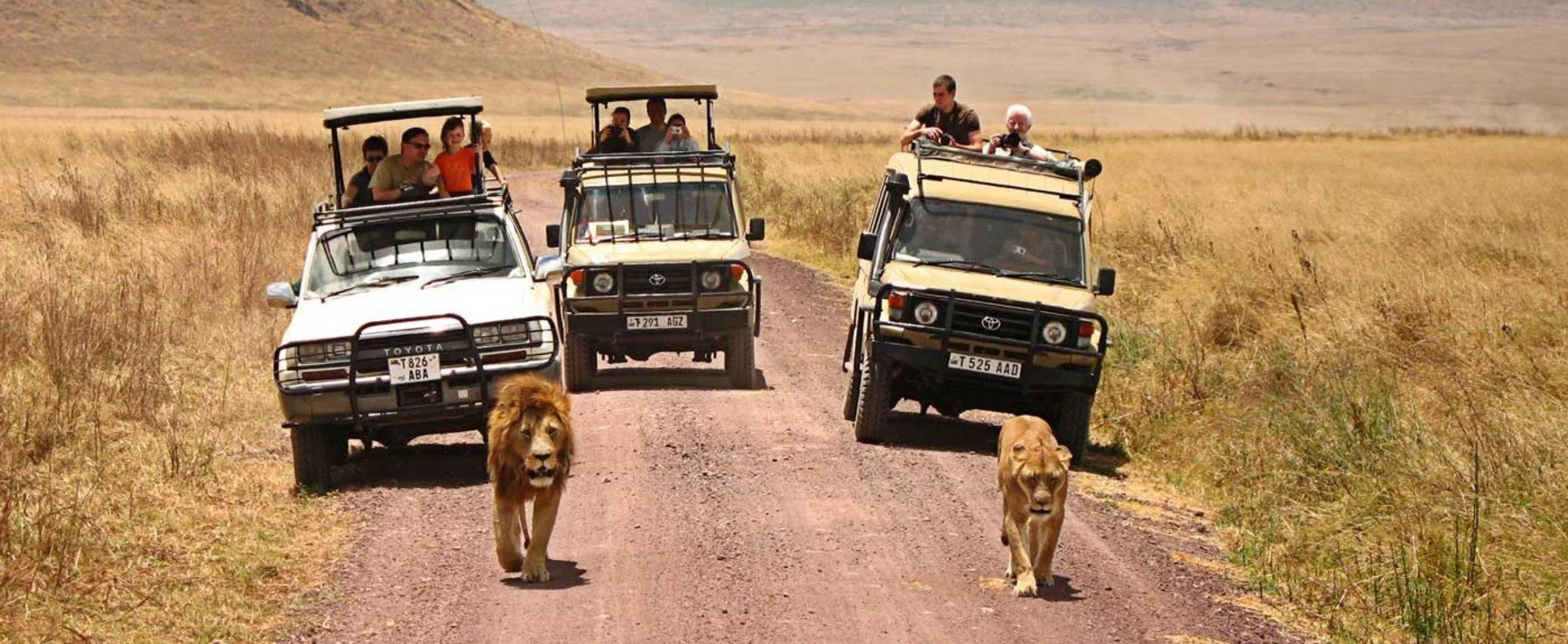
Whether you are interested in a private Kilimanjaro climb, a joining-group trek where available, a classic wildlife safari, or a mountain-and-beach combination, our team can help you explore the options for your Tanzania holiday.
Frequently Asked Questions
Is it possible to climb Kilimanjaro and go on safari during one holiday?
Yes. Many travelers combine a multi-day Kilimanjaro climb with a safari in northern Tanzania. The two experiences can be arranged in one trip, provided you allow sufficient time for the climb, recovery, transfers, and wildlife viewing.
How many days do I need for a Kilimanjaro and safari combination?
Many travelers allow approximately 13–16 days for a climb, recovery time, and a multi-day safari. Shorter or longer trips are possible depending on the route, number of safari days, and whether you want to add Zanzibar.
Which should I do first: Kilimanjaro or safari?
Climbing first is a practical choice for many travelers because it allows you to begin the physically demanding trek while relatively fresh and enjoy the safari afterward. A safari-first itinerary can also work if carefully scheduled, but you should protect your rest and preparation time before climbing.
Which Kilimanjaro route is best for a combined holiday?
Machame and Lemosho are popular options, while Marangu and Rongai may suit different preferences. The best route depends on your fitness, available time, accommodation preferences, and acclimatization needs. A shorter itinerary is not automatically the best choice.
Can beginners combine Kilimanjaro hiking and safari?
Yes, beginners can consider this combination if they prepare appropriately, select a suitable climbing itinerary, and understand the physical demands of the mountain. Prior mountaineering experience is not generally required for the standard trekking routes, but fitness, preparation, and responsible altitude management are essential.
Can I see the Big Five after climbing Kilimanjaro?
A safari in destinations such as the Serengeti and Ngorongoro Crater provides opportunities to look for lions, leopards, elephants, buffaloes, and rhinoceroses. However, seeing all five species is never guaranteed, as wildlife moves freely in its natural habitat.
Can I add Zanzibar to my Kilimanjaro and safari trip?
Yes. You can arrange a beach holiday after your climb and safari. Allow additional days for flights or transfers, accommodation, and activities so that your itinerary remains comfortable.
How do I book a combined Kilimanjaro and safari package with Sweet Memory Adventure?
Contact Sweet Memory Adventure with your preferred travel dates, number of travelers, climbing route preferences, safari interests, and approximate budget. Our team can help you explore a personalized itinerary that brings both experiences together.
Start Planning Your Kilimanjaro and Safari Adventure
Combining Kilimanjaro hiking and safari offers an extraordinary way to experience Tanzania. From the challenge of climbing Africa’s highest mountain to the excitement of watching wildlife across the savannah, every part of the journey gives you a different perspective on the country’s natural beauty.
With thoughtful planning, you can enjoy the mountain at an appropriate pace, recover comfortably, explore iconic national parks, and even finish your holiday on Zanzibar’s beautiful beaches.
Let Sweet Memory Adventure help you create a combined Tanzania itinerary that reflects your interests, travel schedule, and budget.
Contact Sweet Memory Adventure to start planning your Kilimanjaro climb and safari:
WhatsApp/Call: +255 756 775 771
Email: info@sweetmemoryadventure.com
Website: https://sweetmemoryadventure.com/
Share your preferred dates, group size, and the experiences you hope to enjoy. Our team will help you explore the options for an unforgettable Tanzanian adventure—mountains, wildlife, and more.