Discover Ol Doinyo Lengai trekking and Lake Natron in Tanzania. Learn about the hike, flamingos, best time to visit, safety, packing and travel tips.
Tanzania is famous for Mount Kilimanjaro, Serengeti and the Ngorongoro Crater, but beyond these iconic destinations lies a more remote and unusual landscape where an active volcano rises above one of East Africa’s most important flamingo habitats.
Ol Doinyo Lengai and Lake Natron offer a remarkable combination of adventure, geology, wildlife, culture and dramatic Rift Valley scenery. Located in northern Tanzania, the area is ideal for travellers looking for an experience away from the more established safari routes.
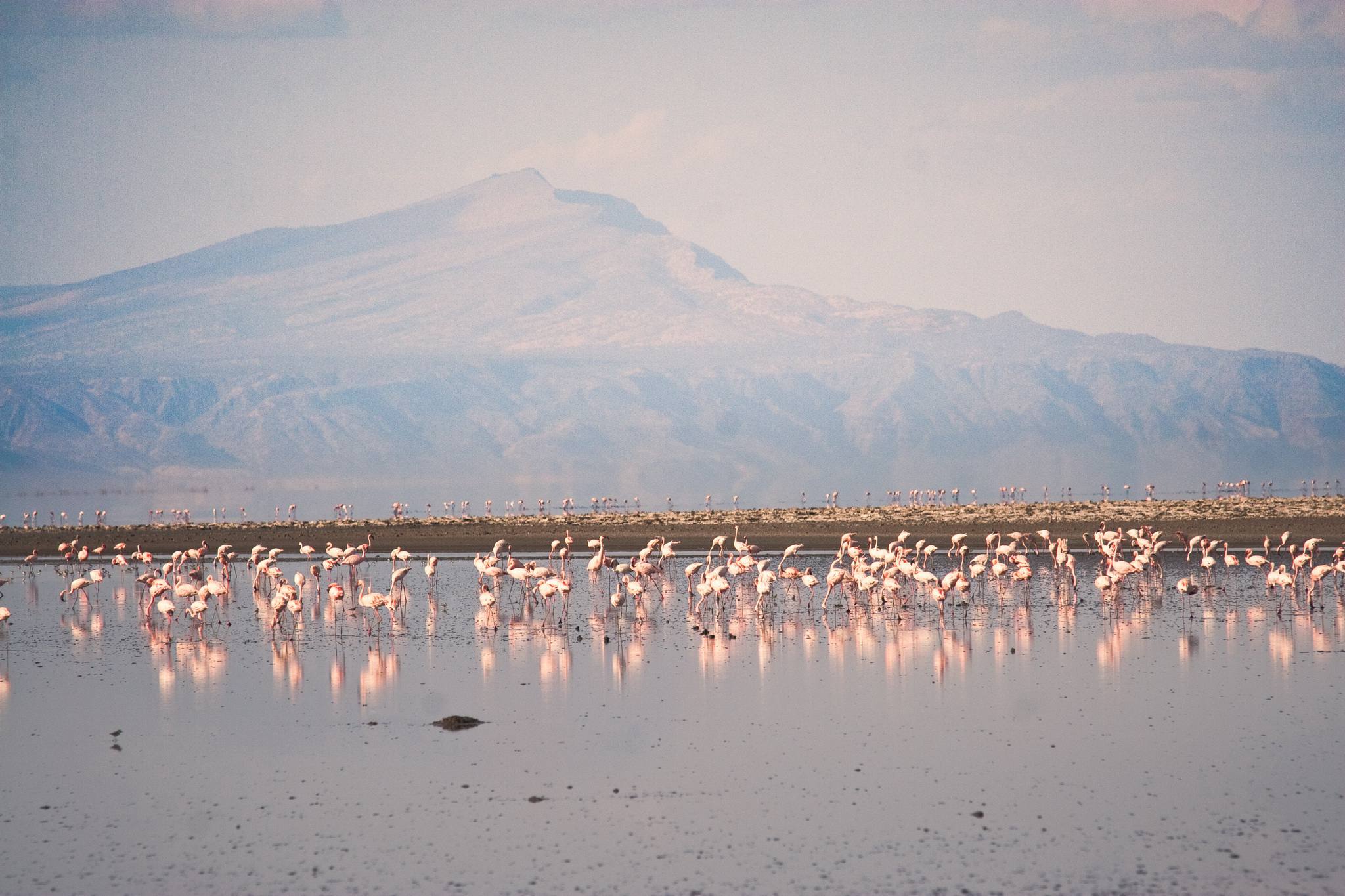
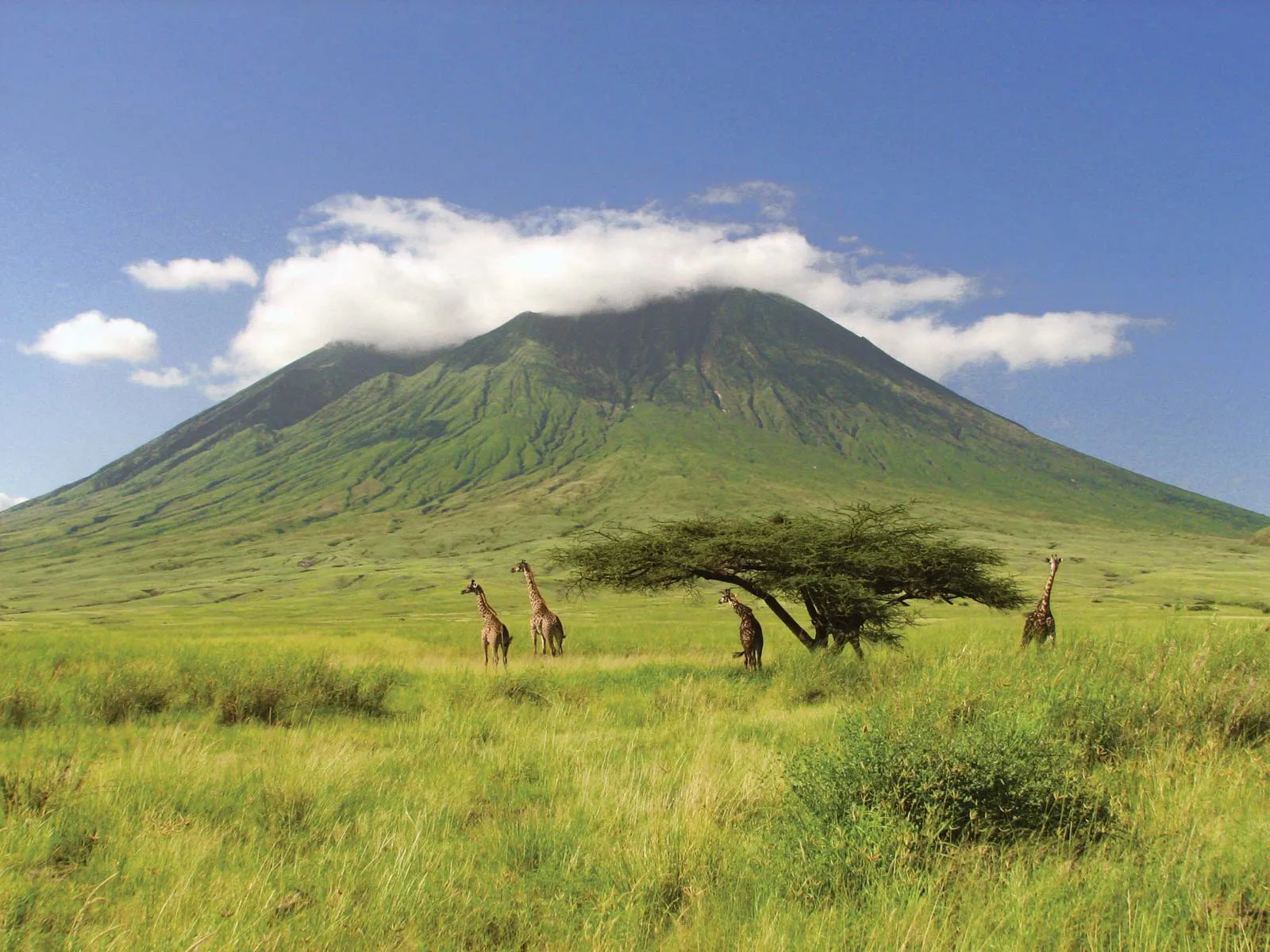
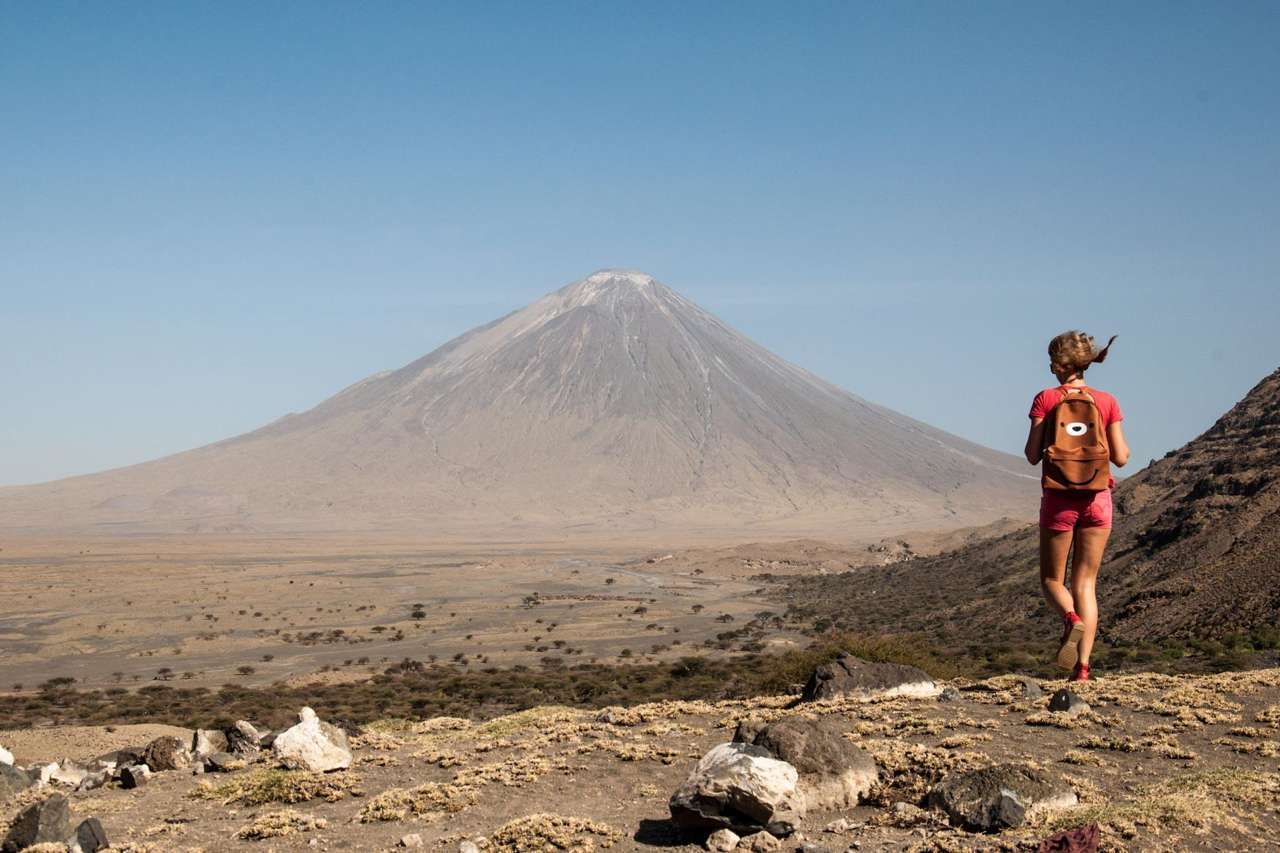
Ol Doinyo Lengai, known as the “Mountain of God” by the Maasai, rises to approximately 2,962 metres above sea level and is one of the world’s most unusual active volcanoes. At its base lies Lake Natron, a highly alkaline soda lake that provides an important breeding environment for lesser flamingos.
A visit to this part of Tanzania can therefore combine a challenging overnight volcano trek with a Lake Natron walking experience, flamingo viewing, waterfalls, cultural encounters and spectacular views across the Great Rift Valley.
Where Are Ol Doinyo Lengai and Lake Natron?
Ol Doinyo Lengai and Lake Natron are located in the remote Rift Valley landscape of northern Tanzania. The journey commonly approaches the area from Arusha or Mto wa Mbu, travelling through the Great Rift Valley towards Engaruka and Engaresero.
The official Ngorongoro Lengai Geopark describes the Ol Doinyo Lengai route as passing through an extraordinary geological landscape featuring Rift Valley escarpments, volcanic maars, tufa formations, archaeological sites and the Engaruka area before reaching Lake Natron and the foot of the volcano.
This remote setting is one of the attractions of the destination. Instead of busy safari circuits, visitors encounter dramatic volcanic scenery, dry Rift Valley plains, traditional Maasai communities and a landscape that feels very different from Tanzania’s famous northern safari parks.
What Makes Ol Doinyo Lengai Special?
Ol Doinyo Lengai is not simply another mountain to climb. It is an active volcano with exceptional geological characteristics.
The mountain is famous for its natrocarbonatite lava, a rare type of volcanic material associated with carbonatite volcanism. This makes Ol Doinyo Lengai particularly important to geologists and adventurous travellers interested in volcanoes.
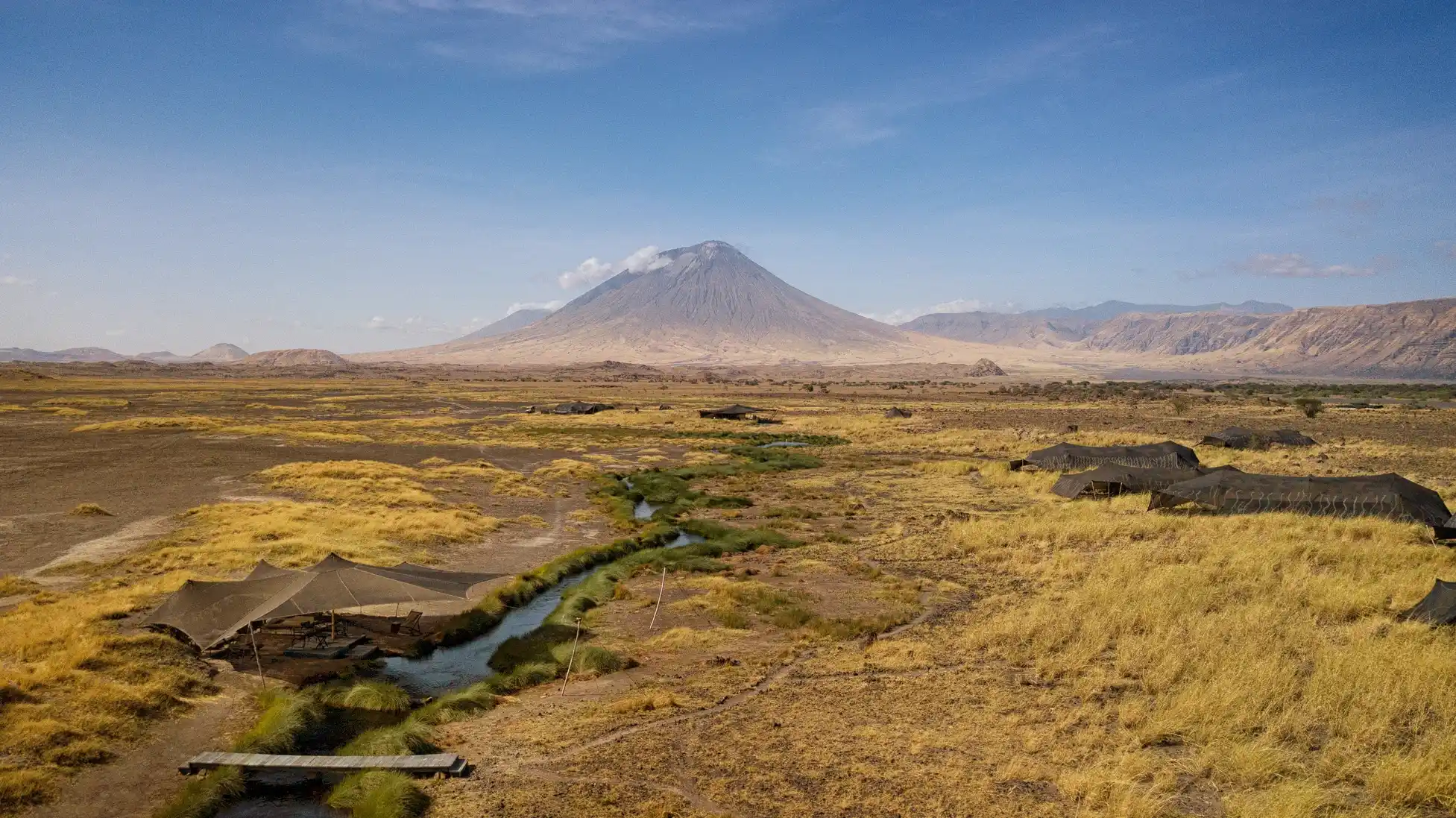
The mountain is also culturally significant. Its Maasai name, Ol Doinyo Lengai, is commonly translated as “Mountain of God.” The volcano has an important place in Maasai traditions and beliefs, making a visit about more than physical adventure.
For travellers, the combination of geological uniqueness, cultural significance and challenging terrain makes the trek one of Tanzania’s most distinctive mountain experiences.
How Difficult Is Ol Doinyo Lengai Trekking?
The Ol Doinyo Lengai trek should be considered strenuous and physically demanding.
Although the summit is considerably lower than Mount Kilimanjaro’s Uhuru Peak, the challenge comes from the steepness of the route, loose volcanic ash and scree, heat and the timing of the climb.
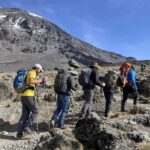
The ascent is normally started around midnight or in the early hours of the morning. Starting at night allows trekkers to avoid the strongest daytime heat and provides an opportunity to reach the summit around sunrise.
The terrain can be steep and unstable, meaning that progress may feel slow. Loose volcanic material can move underneath your feet, making both the ascent and descent physically demanding.
The descent can be particularly challenging because tired legs must carefully control movement over loose scree.
Ol Doinyo Lengai does not require technical mountaineering equipment such as ropes or climbing harnesses under normal conditions, but it does require good physical fitness, suitable footwear, determination and an experienced local guiding team.
Why Does the Ol Doinyo Lengai Climb Start at Night?
The overnight start is one of the defining characteristics of the Ol Doinyo Lengai experience.
The Lake Natron area can become extremely hot during the day. Tanzania Wildlife Management Authority notes that temperatures around Lake Natron can frequently exceed 40°C, while the lake’s highly alkaline environment creates harsh conditions for people and wildlife alike.
Beginning the climb around midnight means much of the ascent takes place during the cooler hours of darkness. Trekkers normally use headlamps while following the guide up the volcanic slopes.
The objective is generally to reach the upper mountain around sunrise, when the changing light can reveal Lake Natron, the Rift Valley and surrounding volcanic landscape.
After reaching the summit or crater area, trekkers descend the mountain and return to the accommodation near Lake Natron for rest and recovery.
What Is the Ol Doinyo Lengai Trek Like?
A typical experience begins with an evening of rest and preparation at accommodation around Lake Natron.
After an early meal or light refreshments, the group prepares for the night ascent. The exact departure time depends on the route, conditions and local guiding arrangements.
The first part of the climb takes place under a dark sky, with the lights of the headlamps marking the route ahead. As the altitude increases, the slope becomes increasingly demanding.
The final section can be particularly strenuous because of the steep gradient and loose volcanic surface.
Reaching the summit around sunrise is one of the highlights of the experience. On clear days, the views extend across the surrounding Rift Valley landscape and towards Lake Natron.
The descent follows the mountain’s steep slopes back towards the base. Once back at camp or lodge, trekkers normally need several hours of rest before taking part in additional activities.
Because the climb is demanding, it is sensible to allow time for recovery rather than immediately scheduling another strenuous activity.
Lake Natron: The Flamingo Destination of Tanzania
Lake Natron is one of the most extraordinary lakes in Tanzania.
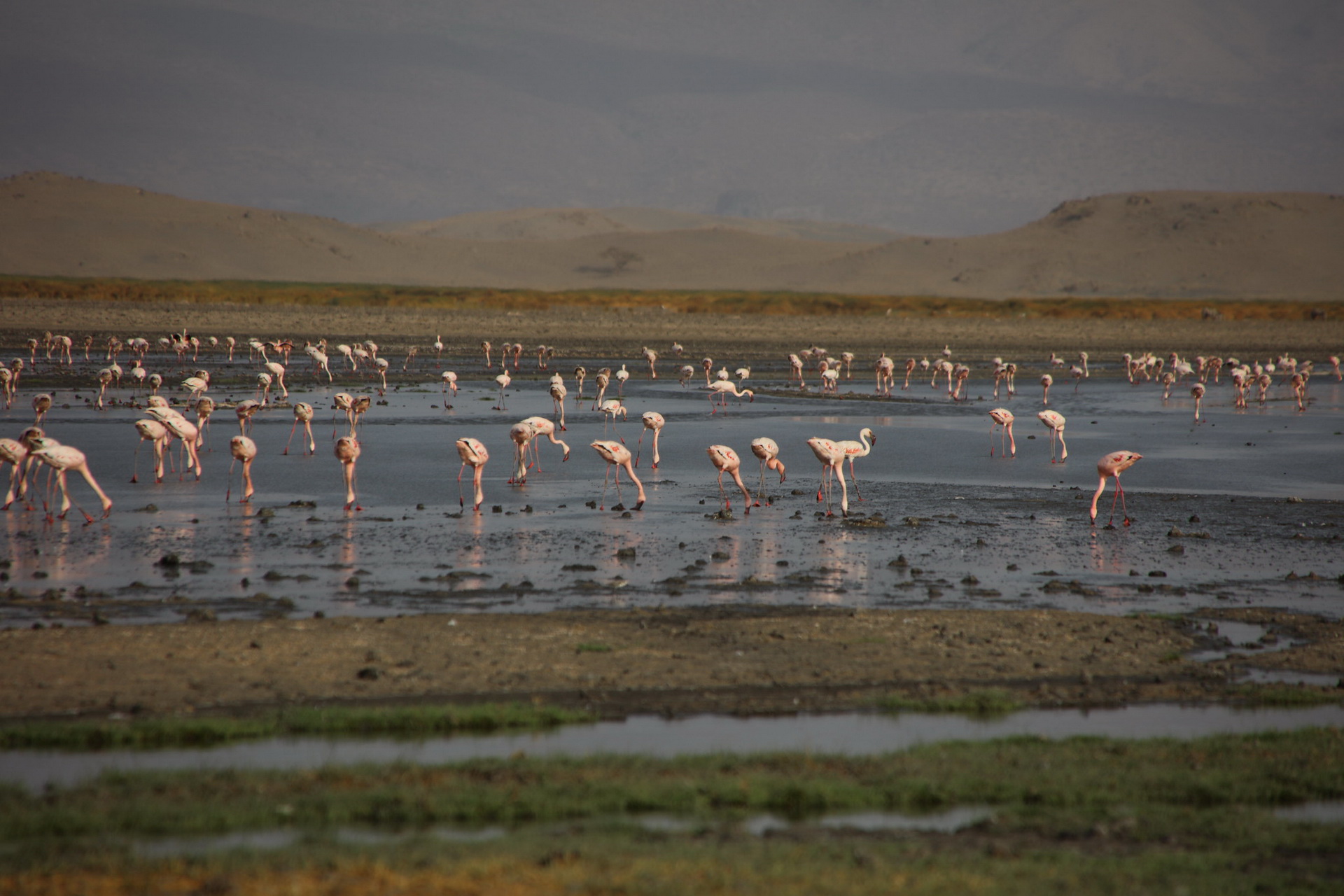
It is a shallow, highly alkaline soda lake located within the Great Rift Valley. Its extreme chemical conditions limit the number of animals that can survive in its waters, but they create an important environment for lesser flamingos.
Lake Natron is recognised as a Ramsar Wetland of International Importance and is particularly important because it is a regular breeding site for approximately 2.5 million lesser flamingos in East Africa.
The lake’s appearance can change depending on water levels, sunlight, algae and seasonal conditions. Visitors may see shallow water, salt-encrusted surfaces and striking colours against the surrounding volcanic landscape.
The combination of flamingos, the Rift Valley escarpment and Ol Doinyo Lengai in the background creates some of the most distinctive scenery in northern Tanzania.
Can You See Flamingos at Lake Natron?
Yes. Lake Natron is one of the most important breeding areas for lesser flamingos in East Africa.
However, visitors should understand that flamingo numbers and viewing conditions can vary. The birds may be concentrated in different parts of the lake depending on water levels, breeding activity and seasonal conditions.
Responsible wildlife viewing is important. Visitors should follow local guides and avoid disturbing nesting or breeding areas.
The lake’s importance as a flamingo breeding habitat is one of the main reasons why guided visits are recommended.
Lake Natron Walking Experiences
A Lake Natron visit does not have to be limited to viewing the lake from a vehicle.
Walking with a qualified local guide provides an opportunity to experience the landscape at a slower pace. Depending on the itinerary and local conditions, walks may include the lake shoreline, nearby volcanic features, streams, viewpoints and surrounding landscapes.
The Ngorongoro Lengai Geopark highlights the geological features along the Ol Doinyo Lengai route, including volcanic maars, tufa formations and other features created by the Great Rift Valley.
Walking also provides opportunities to learn about local communities and the relationship between people, livestock, wildlife and the surrounding environment.
Ngare Sero Waterfalls
One of the most popular activities to combine with Lake Natron is a walk to the Ngare Sero Waterfalls.
The waterfall route provides a striking contrast to the dry volcanic landscape around the lake. Depending on current conditions and the chosen route, the walk can involve river crossings, rocky sections and uneven terrain.
After spending time in the hot and dry Rift Valley environment, the cooler vegetation and water around the waterfall can be particularly refreshing.
Because conditions can change, the route should always be undertaken with a local guide familiar with the area.
Maasai Cultural Experiences Around Lake Natron
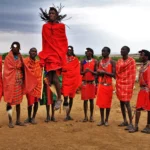
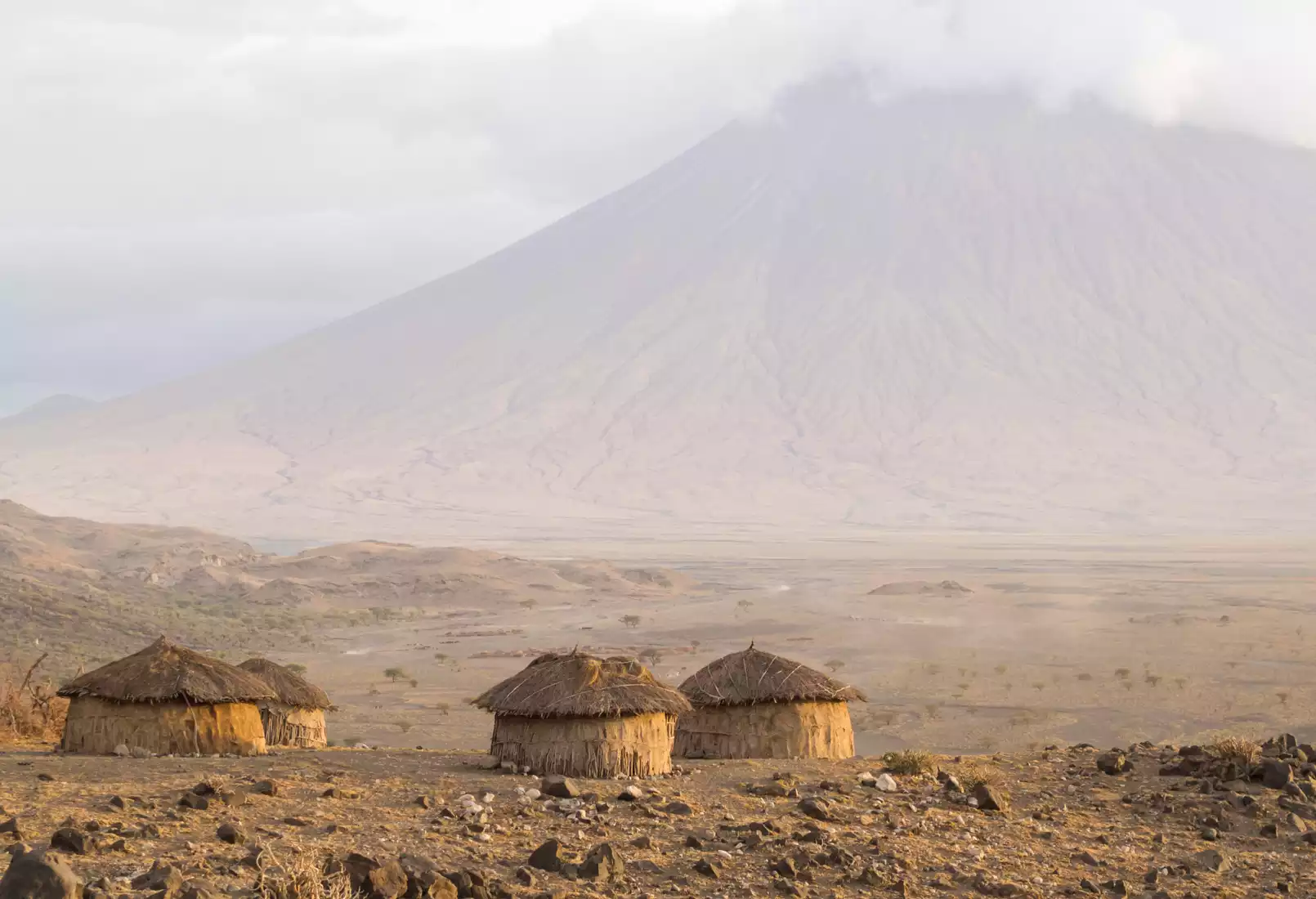
The Lake Natron region is also home to Maasai communities, making cultural experiences an important part of many visits.
A responsible cultural visit can provide insight into traditional livelihoods, livestock keeping, local customs, beadwork and the cultural significance of the surrounding landscape.
Ol Doinyo Lengai itself has spiritual importance within Maasai culture, so visitors should approach cultural experiences respectfully and avoid treating communities simply as tourist attractions.
A good local operator should work with communities and guides in a way that supports local livelihoods and encourages respectful interaction.
Best Time for Ol Doinyo Lengai Trekking and Lake Natron
The best time depends on what you want to experience and current local conditions.
For the volcano trek, drier periods are generally preferred because loose volcanic terrain can become more difficult and slippery when wet. Clearer weather can also improve visibility from the mountain.
The broader dry season, particularly June to October, is often attractive for travellers combining trekking and wildlife experiences. Some travellers also consider the relatively drier period around January and February.
However, weather patterns in northern Tanzania can vary, and conditions around an active volcano should always be checked locally before departure.
The best time for flamingo viewing is also not simply a matter of choosing one fixed month. Flamingo distribution and breeding activity vary depending on lake conditions and the season.
For this reason, your tour operator should provide current advice before confirming your final itinerary.
How Many Days Do You Need for Lake Natron and Ol Doinyo Lengai?
A practical trip usually requires at least 3 days, although 4 days or longer can provide a much more comfortable experience.
A short itinerary may include travelling to Lake Natron, preparing for the overnight climb, completing the Ol Doinyo Lengai trek and then returning.
A more relaxed itinerary can include the volcano climb plus Lake Natron exploration, flamingo viewing, Ngare Sero Waterfalls and a cultural experience.
Example 4-Day Lake Natron & Ol Doinyo Lengai Itinerary
Day 1: Arusha to Lake Natron
Travel from Arusha towards Lake Natron through the dramatic Rift Valley landscape. Arrive at your accommodation, relax and receive a briefing about the volcano trek.
Day 2: Ol Doinyo Lengai Night Trek
Begin the ascent around midnight or in the early morning. Trek through the darkness towards the summit and aim to reach the upper mountain around sunrise. Descend after enjoying the views and return to camp or lodge for rest.
Day 3: Lake Natron Exploration
After recovering from the climb, explore Lake Natron and its surrounding landscape. Depending on conditions and your interests, activities can include flamingo viewing, a walk towards Ngare Sero Waterfalls or a cultural experience with a local community.
Day 4: Lake Natron to Arusha
Enjoy breakfast and begin the return journey to Arusha or continue to another destination as part of a longer Tanzania safari itinerary.
A 4-day structure is particularly useful because it avoids trying to squeeze every activity into the same day as the volcano climb.
What Should You Pack for Ol Doinyo Lengai?
Packing for Ol Doinyo Lengai requires a balance between preparing for a cool night and protecting yourself from heat during the descent.
Essential items include comfortable and supportive hiking boots, warm layers for the night, lightweight clothing for the warmer conditions, a headlamp with spare batteries, sufficient drinking water, sun protection, sunglasses, a hat, sunscreen and personal medication.
Because the volcanic terrain can be loose and dusty, good ankle-supporting footwear is particularly important.
A small backpack is usually preferable for the actual ascent because you want to keep your load manageable.
Your tour operator should provide specific packing advice based on the current route and conditions.
Is Ol Doinyo Lengai Safe to Climb?
Ol Doinyo Lengai is an active volcano, and this is an important consideration when planning a trek.
The mountain’s volcanic status means that conditions can change, and access should always be based on current local information and guidance.
Trekkers should never attempt to climb the mountain independently. Use experienced local guides who understand the terrain and current conditions.
Follow all instructions regarding volcanic activity, weather, route conditions and access restrictions.
It is also important to understand that the main physical risks come from the steep volcanic terrain, heat, fatigue, dehydration and difficult footing.
A responsible operator will assess conditions before the trek and will not treat reaching the summit as more important than the safety of the trekking group.
How to Get to Lake Natron
Lake Natron is a remote destination, and travelling there is part of the adventure.
The most common approach for safari travellers is from the Arusha or Mto wa Mbu area. The route passes through Rift Valley landscapes and remote communities before reaching the Lake Natron region.
Road conditions can vary, particularly during rainy periods, so a suitable 4×4 safari vehicle and an experienced driver are recommended.
The journey can also be incorporated into a larger northern Tanzania itinerary.
For example, travellers can combine Lake Natron and Ol Doinyo Lengai with Serengeti, Ngorongoro, Tarangire or Lake Manyara, depending on the length of their holiday.
Can You Combine Lake Natron and Ol Doinyo Lengai With a Tanzania Safari?
Absolutely.
This is one of the best ways to experience the region.
Instead of treating Lake Natron and Ol Doinyo Lengai as a standalone trip, travellers can include them as an extension to a northern Tanzania safari.
A longer itinerary could combine the wildlife of Tarangire National Park, the Ngorongoro Conservation Area and Serengeti National Park with the volcanic landscape of Lake Natron.
This creates a more diverse Tanzania experience: wildlife viewing, mountain trekking, geological landscapes, birdwatching, cultural experiences and walking adventures all in one journey.
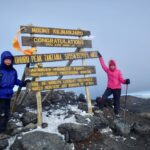
Ol Doinyo Lengai vs Kilimanjaro
Ol Doinyo Lengai and Mount Kilimanjaro provide very different trekking experiences.
Kilimanjaro is Africa’s highest mountain and involves a multi-day ascent designed around acclimatisation and endurance.
Ol Doinyo Lengai is much lower but is characterised by a steep, loose volcanic route and an overnight ascent.
Therefore, lower altitude does not automatically mean easier.
Travellers who have successfully climbed Kilimanjaro should not assume that Ol Doinyo Lengai will be an easy hike. The physical challenge comes from the steep volcanic terrain and the long night of climbing.
If you are looking for a multi-day high-altitude trekking experience, Kilimanjaro may be the better choice. If you want a shorter but exceptionally steep volcanic adventure combined with Lake Natron, Ol Doinyo Lengai is a fascinating alternative.
Responsible Travel at Lake Natron and Ol Doinyo Lengai
The remote nature of this destination makes responsible tourism particularly important.
Visitors should avoid littering, respect wildlife and flamingo breeding areas, follow designated routes and listen to local guides.
When visiting Maasai communities, ask permission before photographing people and respect local customs.
Travelling with local guides and using locally operated services can also help tourism contribute directly to communities in the area.
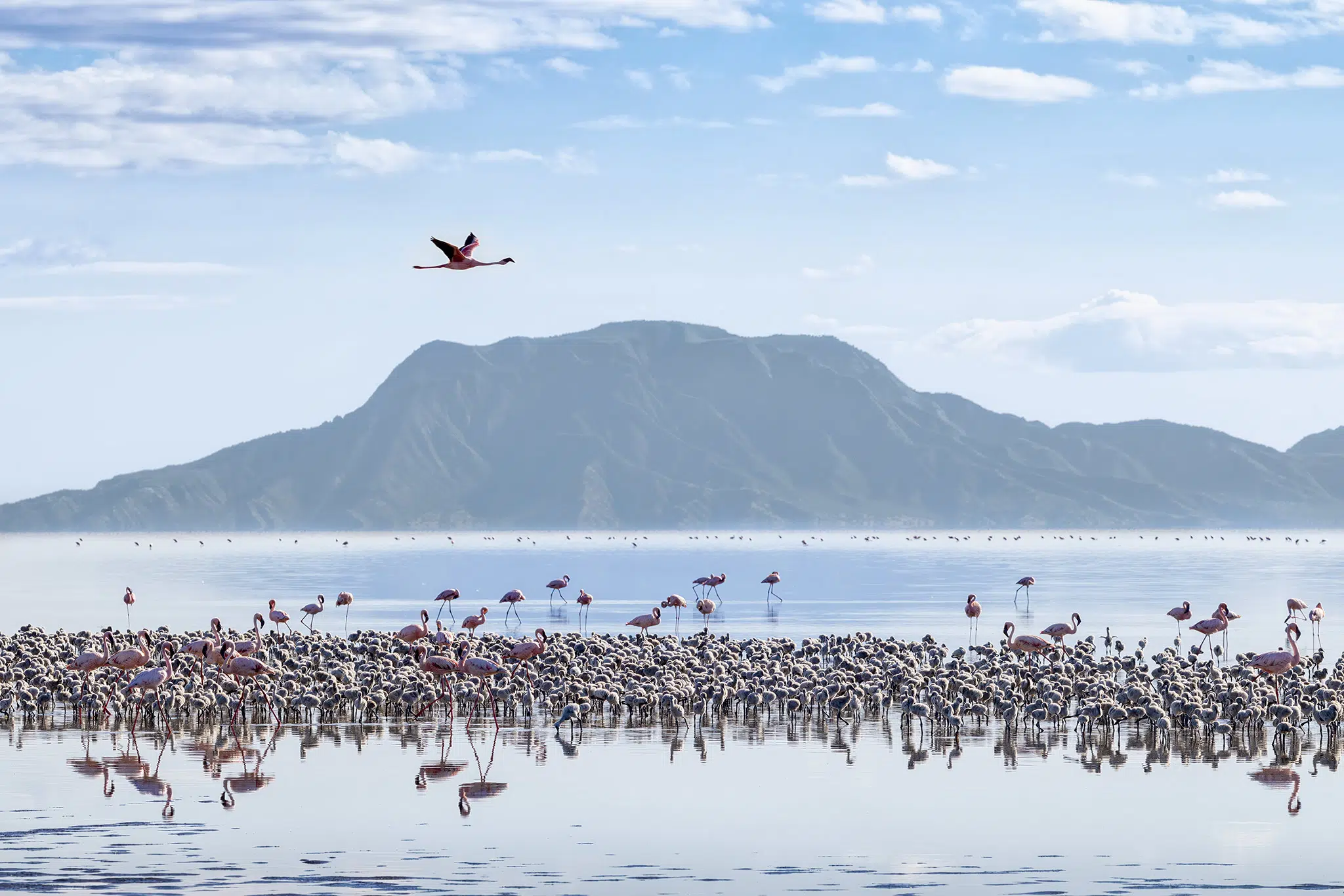
Lake Natron is an ecologically sensitive environment, and its international importance as a flamingo breeding site makes conservation an essential part of every visit.
Why Visit Ol Doinyo Lengai and Lake Natron?
Ol Doinyo Lengai and Lake Natron offer a side of Tanzania that many travellers never experience.
Here, an active volcano rises dramatically above a highly alkaline lake, thousands of flamingos gather in an extraordinary wetland ecosystem, and the surrounding Rift Valley is filled with volcanic and geological features.
For adventurous travellers, the destination combines the challenge of an overnight volcano trek with the slower pleasures of walking, wildlife observation, cultural experiences and landscape photography.
It is especially attractive for travellers who want to go beyond the traditional Tanzania safari circuit.
Plan Your Ol Doinyo Lengai & Lake Natron Adventure
A visit to Ol Doinyo Lengai and Lake Natron can be designed as a dedicated trekking adventure or incorporated into a longer Tanzania safari.
Because the area is remote and conditions can change, planning with an experienced local tour operator is strongly recommended. Your itinerary can be adapted according to your fitness level, available time, interests and preferred accommodation.
Whether your goal is to climb the Mountain of God, photograph Lake Natron’s flamingos, explore the Rift Valley on foot or experience the culture and landscapes surrounding the volcano, this is one of Tanzania’s most distinctive adventure destinations.
Frequently Asked Questions About Ol Doinyo Lengai and Lake Natron
Is Ol Doinyo Lengai an active volcano?
Yes. Ol Doinyo Lengai is an active volcano and is famous for its unusual natrocarbonatite volcanic activity. Because it is an active volcano, trekkers should always follow current local guidance and safety instructions.
How high is Ol Doinyo Lengai?
Ol Doinyo Lengai reaches approximately 2,962 metres (9,718 feet) above sea level.
How difficult is Ol Doinyo Lengai?
The trek is considered strenuous. The route is steep, and loose volcanic ash and scree can make both ascending and descending difficult. Good physical fitness is strongly recommended.
What time does the Ol Doinyo Lengai climb start?
The climb usually begins around midnight or during the early hours of the morning. The exact start time depends on local conditions and the trekking plan.
Why do people climb Ol Doinyo Lengai at night?
The main reasons are to avoid the intense daytime heat and to reach the summit around sunrise. Night climbing also provides a unique experience of trekking beneath the stars.
Can beginners climb Ol Doinyo Lengai?
It depends on the individual’s fitness and hiking experience. Although technical climbing skills are generally not required, the route is physically demanding. Beginners should not underestimate the steepness or the loose volcanic terrain.
Can I visit Lake Natron without climbing Ol Doinyo Lengai?
Yes. You do not need to climb the volcano to enjoy Lake Natron. Visitors can experience flamingo viewing, walking excursions, waterfalls, cultural activities and the surrounding Rift Valley scenery.
Can I see flamingos at Lake Natron?
Yes. Lake Natron is one of East Africa’s most important breeding sites for lesser flamingos. The number of birds and the best viewing locations vary according to seasonal and lake conditions.
Is Lake Natron safe to swim in?
No. Lake Natron is highly alkaline and should not be treated as a normal swimming lake. Visitors should follow local guide instructions and remain in designated safe areas.
How many days do I need for Ol Doinyo Lengai and Lake Natron?
A minimum of 3 days can work for a focused trip, while 4 days or more allows enough time to combine the volcano trek with Lake Natron exploration, waterfalls and cultural experiences without rushing.
Can Ol Doinyo Lengai and Lake Natron be combined with a Tanzania safari?
Yes. The destination can be incorporated into a northern Tanzania itinerary with destinations such as Serengeti, Ngorongoro and Tarangire.
What is the best time to visit Lake Natron and climb Ol Doinyo Lengai?
Drier periods are generally preferred for trekking because wet volcanic terrain can make the climb more difficult. However, weather and volcanic conditions can vary, so current local advice should always be obtained before travelling.
Do I need a guide to climb Ol Doinyo Lengai?
A local experienced guide should be used for the climb. The steep terrain, darkness, remoteness and active-volcano environment make professional local guidance particularly important.
Is Ol Doinyo Lengai harder than Kilimanjaro?
They are difficult in different ways. Kilimanjaro is a multi-day high-altitude trek where acclimatisation and endurance are major challenges. Ol Doinyo Lengai is a much shorter but extremely steep overnight volcanic trek involving loose scree and ash. Some experienced trekkers find Lengai more demanding per hour.
Final Thoughts
Ol Doinyo Lengai and Lake Natron are a perfect combination for adventurous travellers seeking a different side of Tanzania.
From the challenge of climbing the Mountain of God before sunrise to watching lesser flamingos around the alkaline waters of Lake Natron, this journey combines adventure, wildlife, geology, culture and some of northern Tanzania’s most dramatic scenery.
For travellers who have already experienced the classic safari destinations or simply want to add something unusual to their Tanzania holiday, Lake Natron and Ol Doinyo Lengai deserve a place on the itinerary.