Discover the Usambara Mountains in Tanzania, including the best hikes, viewpoints, villages, waterfalls, cultural experiences, best time to visit and travel tips.
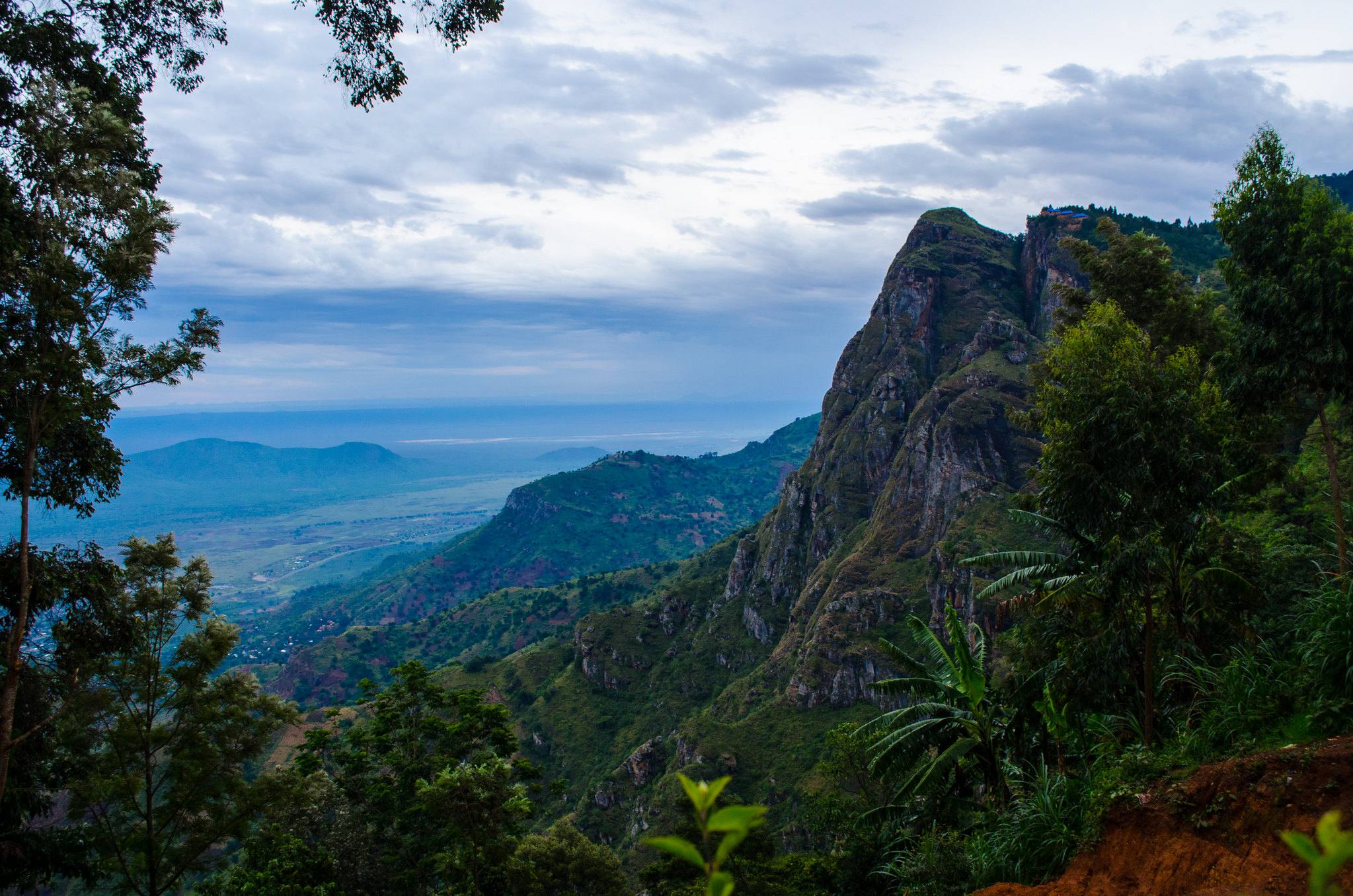
Away from the famous wildlife plains of Tanzania and the dramatic summit of Mount Kilimanjaro lies a beautiful mountain destination that offers a completely different side of the country. The Usambara Mountains are known for their lush forests, fertile valleys, scenic viewpoints, traditional villages and peaceful hiking trails.
Located in northeastern Tanzania, the Usambara Mountains form part of the Eastern Arc Mountains and are particularly associated with Lushoto, a small highland town that provides an excellent base for exploring the surrounding landscapes.
For travelers looking for something beyond the classic Tanzania safari, a visit to the Usambara Mountains offers opportunities for hiking, nature walks, birdwatching, photography and cultural experiences while enjoying a cooler mountain environment.
At Sweet Memory Adventure, we believe Tanzania is much more than its famous safari parks. The Usambara Mountains provide an opportunity to slow down, explore rural landscapes on foot and experience a different perspective of Tanzania.
Where Are the Usambara Mountains?
The Usambara Mountains are located in the Tanga Region of northeastern Tanzania, relatively close to the country’s northeastern border with Kenya. The mountain range is part of the Eastern Arc Mountains, a chain of ancient mountains recognized for their exceptional biodiversity and unique ecosystems.
The Usambaras are generally divided into the Western Usambara Mountains and Eastern Usambara Mountains. Lushoto is one of the best-known towns in the Western Usambaras and is commonly used as a starting point for mountain excursions.
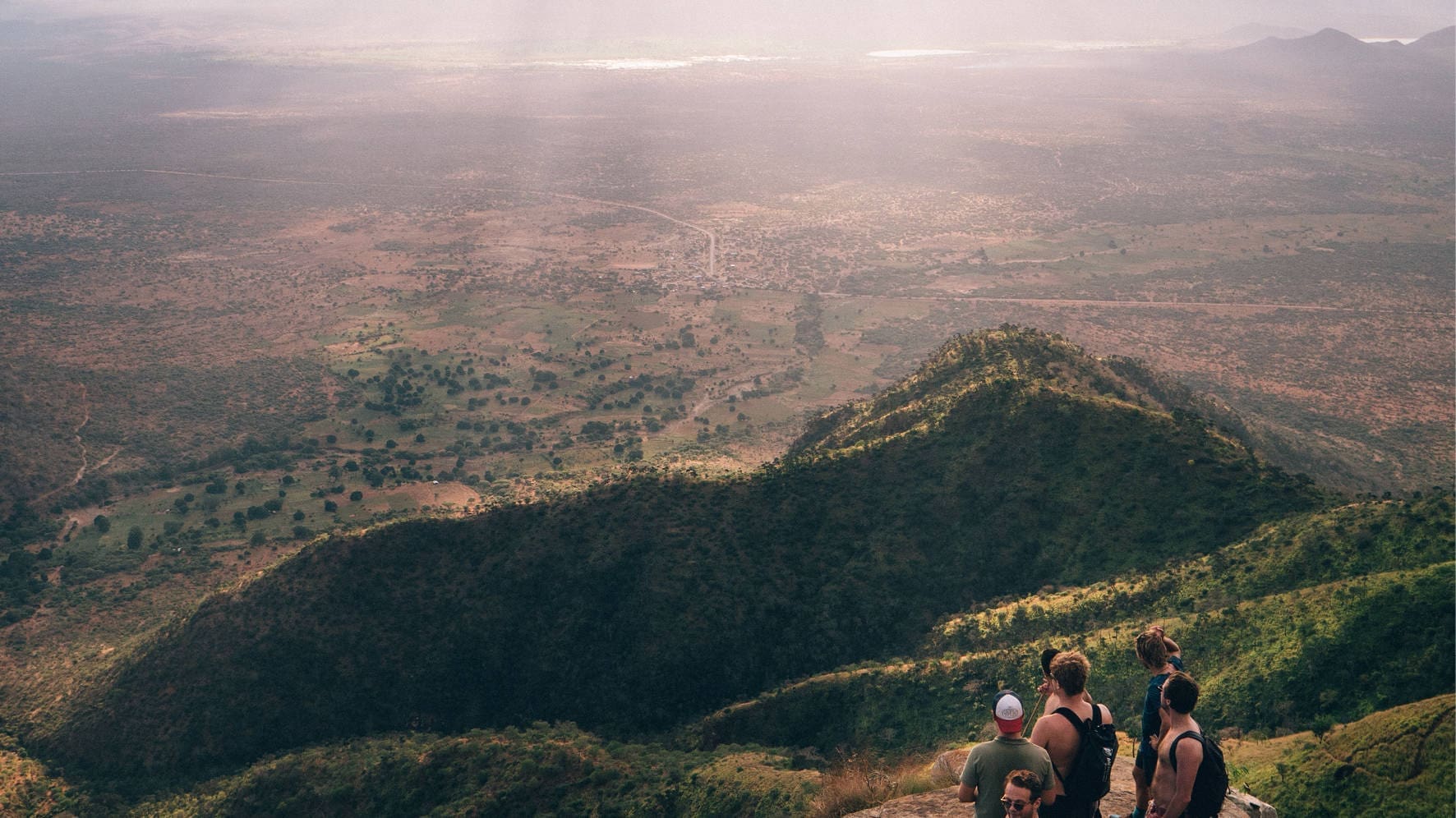
Unlike the open savannah landscapes associated with Serengeti, the Usambara Mountains offer a greener environment characterized by forests, farmland, valleys and elevated viewpoints.
This contrast makes the destination particularly appealing to travelers who want to combine wildlife experiences with hiking and cultural exploration.
Why Visit the Usambara Mountains?
The Usambara Mountains offer a slower and more intimate travel experience than many of Tanzania’s better-known destinations.
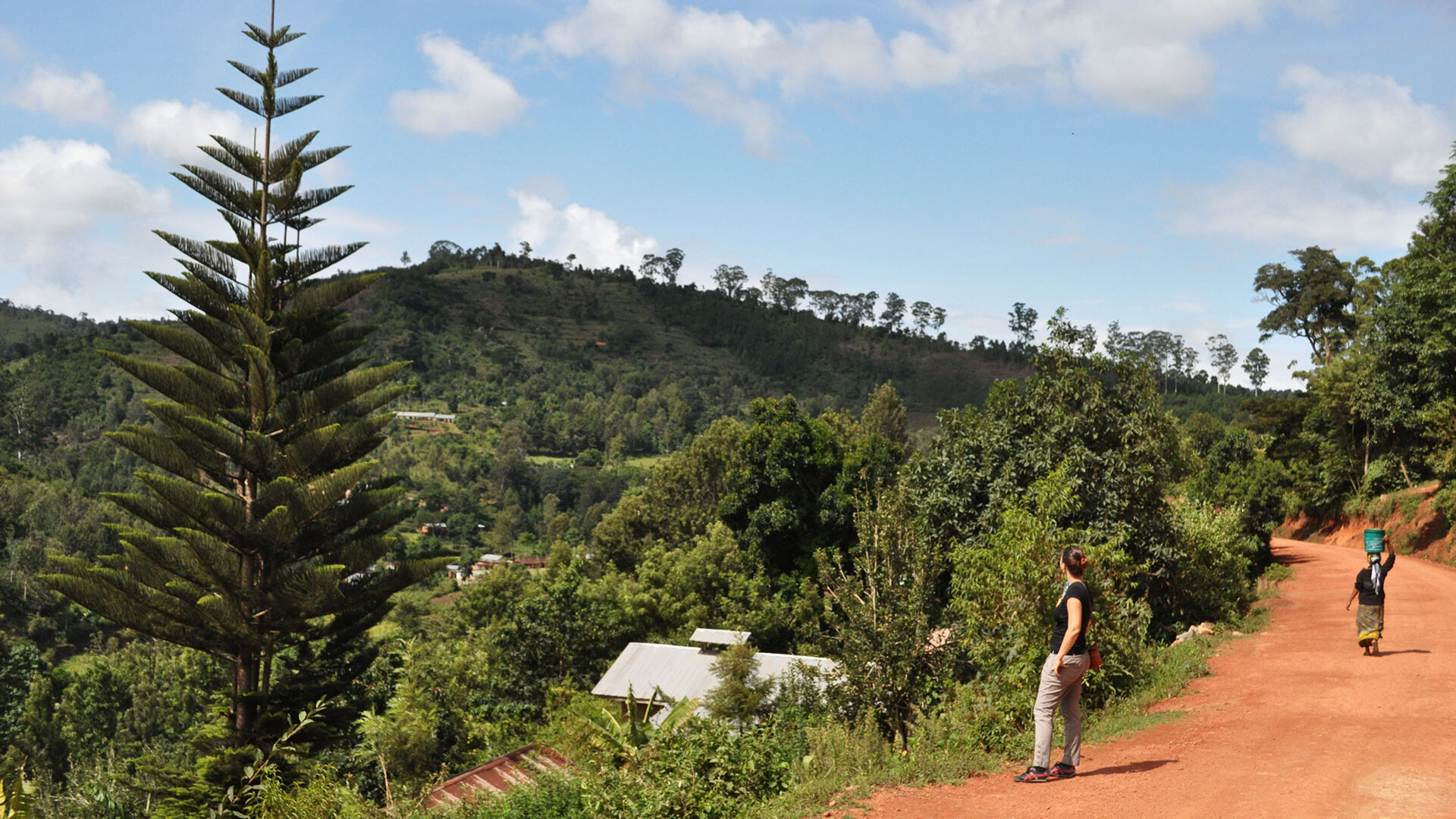
The landscape changes constantly as you walk through mountain villages, cultivated slopes, forests and valleys. In some areas, trails lead to viewpoints overlooking the surrounding countryside, while others pass through forests and communities where everyday rural life continues away from the country’s major tourist circuits.
One of the greatest attractions is the opportunity to explore on foot.
Rather than spending most of the day inside a safari vehicle, visitors can walk through the landscape, interact with local communities and discover smaller attractions that would be easy to miss when traveling by road.
The mountains are also important for biodiversity. The Eastern Arc Mountains are internationally recognized for their high levels of endemic species, making the area particularly interesting for nature lovers and birdwatchers.
Lushoto: The Gateway to the Usambara Mountains
For many visitors, Lushoto is the natural starting point for exploring the Usambara Mountains.
Located in the Western Usambaras, Lushoto has a cooler highland climate and provides access to numerous hiking routes, viewpoints, villages and forest areas.
The town itself offers a useful base for travelers who want to spend several days exploring rather than simply passing through the region.
From Lushoto, you can organize guided hikes and excursions into the surrounding countryside. Having a knowledgeable local guide can significantly improve the experience because many of the most interesting aspects of the region are connected to local history, culture, agriculture and natural features.
Best Things to Do in the Usambara Mountains
Hike Through the Usambara Mountains
Hiking is one of the best ways to experience the Usambara Mountains.
The trails range from relatively easy walks through villages and farmland to more demanding routes involving forested areas, steep slopes and longer distances.
A guided hike allows you to experience the landscape at a much slower pace. Instead of simply looking at the mountains from a vehicle, you become part of the environment as you walk through it.
Depending on your interests and available time, hikes can be designed around viewpoints, waterfalls, forests, villages or cultural encounters.
Visit Irente Viewpoint
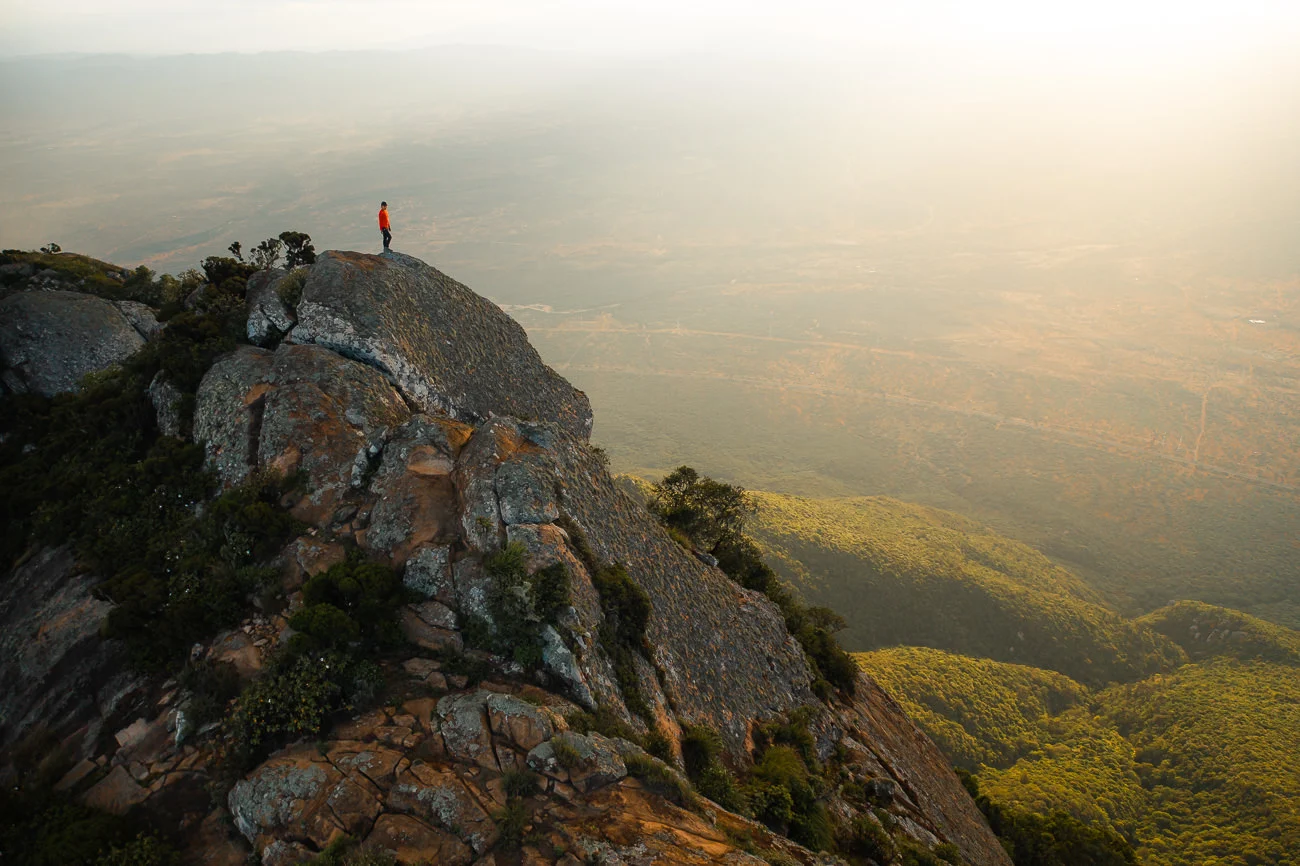
Irente Viewpoint is one of the most popular attractions around Lushoto.
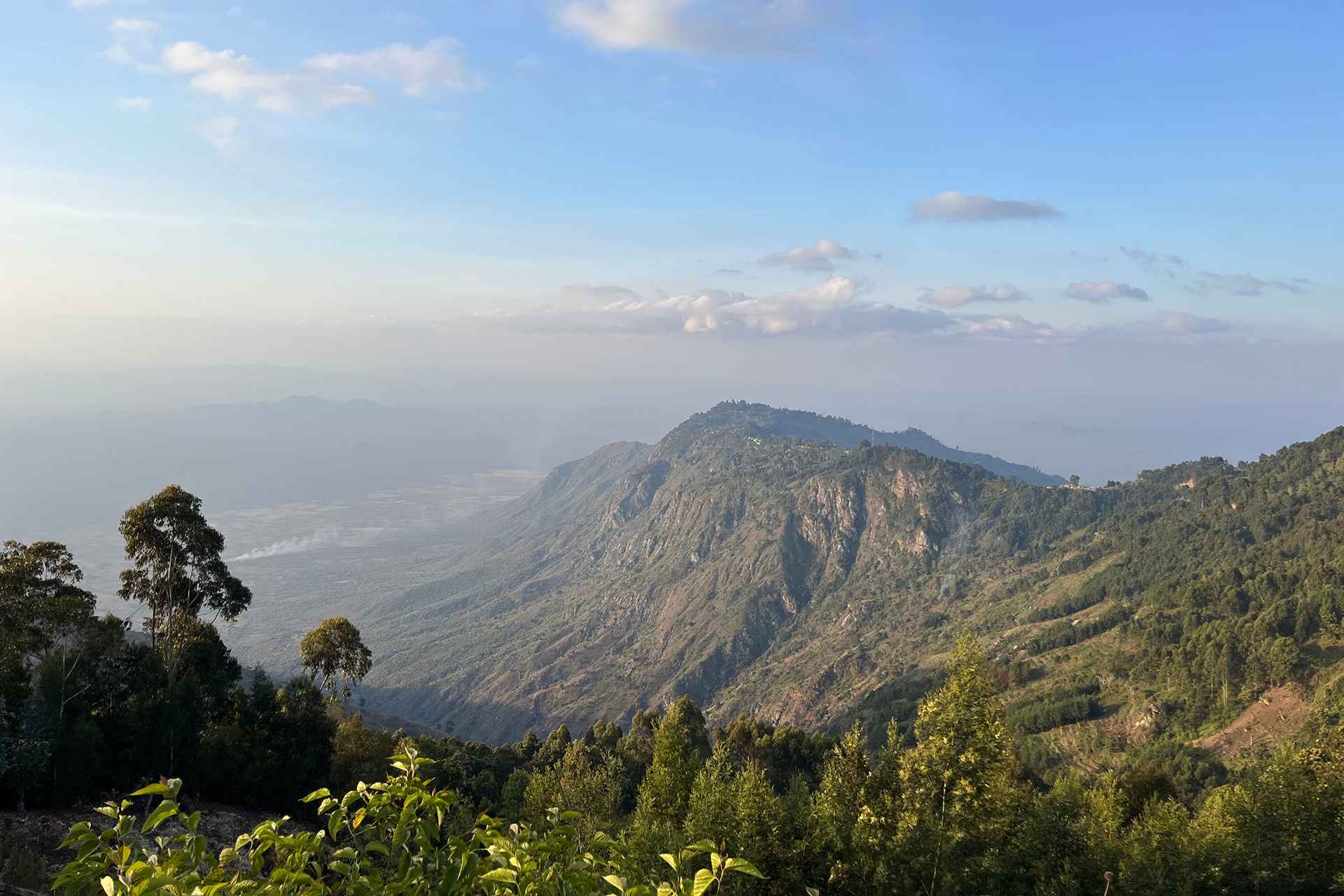
The viewpoint provides expansive views across the surrounding landscape, including valleys, farmland and distant plains. It is particularly rewarding in good weather when visibility extends across a broad section of the countryside.
The hike to the viewpoint is part of the experience. Walking through the surrounding landscape gives visitors an opportunity to see how local communities live and cultivate the fertile mountain environment.
For photographers, Irente can be especially appealing during the softer morning and late-afternoon light.
Explore Magamba Forest
The Magamba Forest area provides another opportunity to experience the natural side of the Usambara Mountains.
Walking through forested landscapes feels very different from hiking through the open mountain countryside. The forest environment also provides opportunities to observe birds, plants and other forms of wildlife.
A local guide can explain the ecological importance of the area and help visitors identify species that might otherwise go unnoticed.
Discover Mtae Viewpoint
For travelers looking for dramatic scenery, Mtae is one of the most interesting areas to explore in the Usambara Mountains.
Located toward the eastern side of the range, Mtae is famous for its spectacular views over the surrounding landscape.
The elevated position creates a dramatic perspective of the valleys and plains below. It is an excellent place for photography and for simply appreciating the scale of the landscape.
Mtae can also be incorporated into a wider Usambara Mountains itinerary for travelers who want to explore beyond Lushoto.
Experience Local Villages and Rural Life
One of the most rewarding aspects of visiting the Usambara Mountains is the opportunity to experience rural Tanzania.
The mountains are home to communities whose livelihoods are closely connected to agriculture. As you walk through the countryside, you may see farms, gardens, traditional homes and people going about their daily activities.
A responsible cultural experience should be based on respectful interaction rather than treating communities simply as tourist attractions.
Travelers can learn about local farming practices, food, traditions and everyday life while supporting local guides and community-based tourism initiatives.
Visit Waterfalls
The Usambara Mountains also contain a number of waterfalls and natural features that can be incorporated into hiking excursions.
Some waterfalls are reached by walking along trails through villages and forested landscapes, making the journey itself part of the attraction.
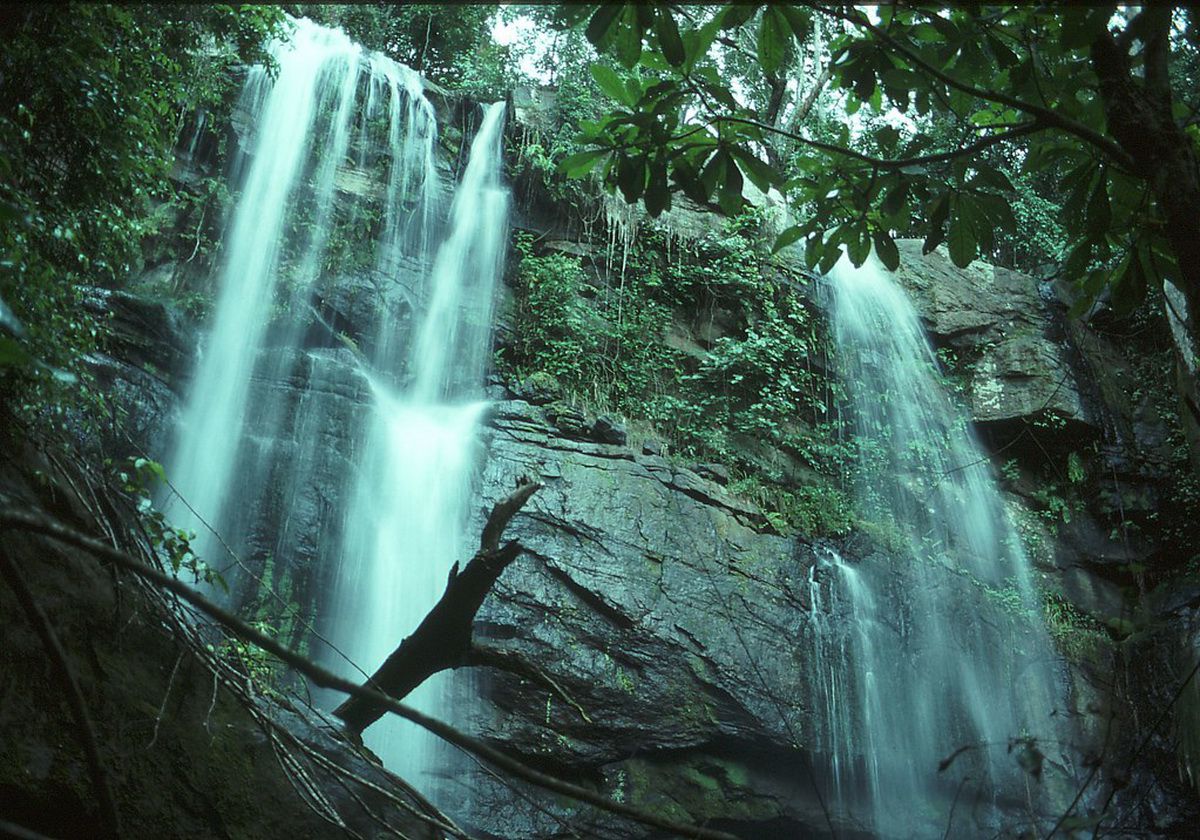
The experience can vary depending on rainfall and seasonal conditions, so travelers should check local conditions when planning their visit.
Go Birdwatching
The Usambara Mountains are an excellent destination for travelers interested in birdlife.
The forests and surrounding habitats support a variety of bird species, including species that are particularly associated with the Eastern Arc mountain ecosystems.
Birdwatching is best done with patience and a knowledgeable local guide who understands where different species are commonly found.
For serious birdwatchers, spending several days in the area can provide a much richer experience than attempting to explore the mountains in a single day.
Usambara Mountains Hiking Experiences
One of the biggest advantages of the Usambara Mountains is the flexibility of the hiking experience.
You do not necessarily need to commit to a strenuous multi-day expedition. Short walks can be arranged for travelers who simply want to experience the scenery, while longer hiking programs can connect different villages, viewpoints and natural attractions.
The difficulty of a hike depends on the route, elevation changes, distance and weather conditions.
For this reason, travelers should communicate their fitness level and expectations before beginning a hike. A good local guide can recommend a route that is appropriate for the group rather than simply choosing the most demanding trail.
Usambara Mountains vs Kilimanjaro
The Usambara Mountains and Mount Kilimanjaro provide very different hiking experiences.
Kilimanjaro is primarily a high-altitude trekking experience focused on reaching the summit of Africa’s highest mountain. The journey involves several days of trekking through changing ecological zones before reaching Uhuru Peak at 5,895 metres.
The Usambara Mountains, on the other hand, are better suited to travelers looking for scenic hiking, forests, villages, viewpoints and cultural experiences without the extreme altitude associated with Kilimanjaro.
You do not have to choose one instead of the other.
For travelers with sufficient time, a Tanzania itinerary can combine a Kilimanjaro climb with an Usambara Mountains hiking experience, creating two very different mountain adventures.
Usambara Mountains vs Tanzania Safari
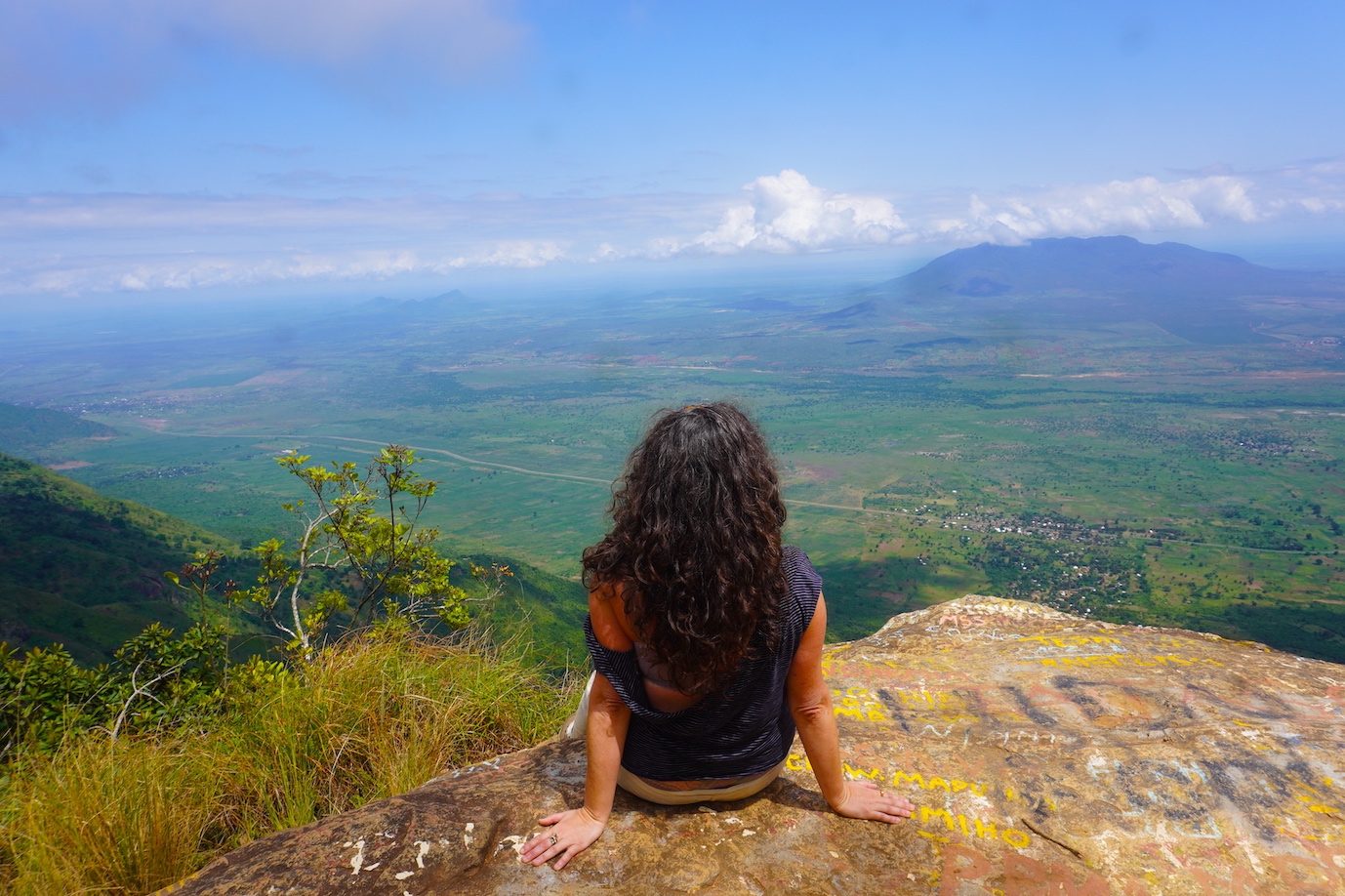
The Usambara Mountains can also complement a traditional Tanzania safari.
A safari focuses primarily on wildlife and landscapes, with destinations such as Serengeti, Ngorongoro and Tarangire offering opportunities to observe animals in protected natural areas.
The Usambara Mountains offer something different: walking, scenery, culture, agriculture, forests and mountain communities.
Combining the two allows travelers to experience different sides of Tanzania rather than spending their entire holiday in one type of environment.
A longer itinerary could potentially include a safari, Usambara Mountains and Zanzibar, depending on the traveler’s interests and available time.
Best Time to Visit the Usambara Mountains
The Usambara Mountains can be visited throughout much of the year, but weather conditions should be considered when planning hiking activities.
The drier periods are generally more convenient for hiking because trails can be easier to navigate and visibility may be better at viewpoints.
The rainy periods can make trails muddy and slippery, but they also bring lush vegetation and beautiful green landscapes.
There is therefore no single “perfect” month for every traveler. Your preferred experience matters.
If hiking and panoramic views are your priority, it is worth discussing your travel dates with a local operator who can advise you about seasonal conditions and suitable routes.
How Many Days Do You Need in the Usambara Mountains?
The length of your stay depends on how deeply you want to explore the region.
A 2-day Usambara Mountains experience can provide a taste of the landscape, particularly if you focus on Lushoto and one or two nearby attractions.
A 3-day or 4-day itinerary allows considerably more flexibility and can include longer hikes, viewpoints, villages, forests and additional excursions.
Travelers who enjoy hiking, birdwatching and cultural experiences may prefer to stay even longer.
The important thing is not to measure the experience only by the number of attractions you can visit. Allowing enough time to walk, interact with local communities and enjoy the scenery can make the experience much more rewarding.
What to Expect During a Usambara Mountains Hike
The Usambara Mountains are a hiking destination rather than a conventional safari attraction, so visitors should prepare for walking on uneven terrain.
Some trails can include steep sections, particularly when descending into valleys or climbing toward elevated viewpoints.
Comfortable hiking shoes are therefore recommended.
The weather can also change during the day, especially in the mountains. Carrying light rain protection, drinking water and appropriate clothing is sensible even when the morning begins with clear skies.
A local guide can also help you navigate the trails and understand local conditions.
Responsible Tourism in the Usambara Mountains
Responsible tourism is particularly important in destinations where visitors interact closely with local communities.
Travelers should respect local customs, ask permission before photographing people and avoid disturbing agricultural activities or private property.
Using local guides can help ensure that tourism creates direct economic benefits within the destination.
Visitors should also avoid leaving waste behind and should respect forests, wildlife and water sources.
The goal should be to leave the Usambara Mountains as beautiful as you found them while contributing positively to the communities that call the area home.
Why Explore the Usambara Mountains With a Local Guide?
The landscape may look straightforward on a map, but the experience becomes much richer when explored with someone who understands the area.
A local guide can explain the history of villages, identify plants and birds, recommend suitable trails and introduce travelers to cultural experiences in a respectful way.
Guides can also help visitors navigate changing weather and trail conditions.
For travelers interested in photography, birdwatching or cultural experiences, local knowledge can make a particularly significant difference.
Combining Usambara Mountains With a Tanzania Safari
One of the most interesting ways to include the Usambara Mountains in a Tanzania holiday is to combine them with a safari.
Instead of spending the entire trip in one region, you can experience Tanzania’s diverse landscapes through a combination of mountain hiking and wildlife viewing.
For example, a longer journey could connect the Usambara Mountains with Serengeti, Ngorongoro and Tarangire, depending on your route and travel schedule.
Another possibility is to combine the mountains with a Zanzibar beach holiday, giving you a journey that includes mountain landscapes, cultural experiences and the Indian Ocean coast.
Is a Visit to the Usambara Mountains Worth It?
For travelers who enjoy nature, hiking and authentic cultural experiences, the Usambara Mountains are certainly worth considering.
They offer a side of Tanzania that is very different from the country’s famous safari destinations.
You can walk through green mountain landscapes, explore villages, discover viewpoints, encounter diverse birdlife and experience a quieter pace of travel.
The destination is particularly appealing if you have already visited Tanzania’s major safari parks or want to build a more diverse itinerary.
Plan Your Usambara Mountains Adventure With Sweet Memory Adventure
The Usambara Mountains offer an opportunity to experience Tanzania beyond the traditional safari circuit. From the scenic landscapes around Lushoto to the forests, viewpoints, villages and hiking trails of the wider mountain range, the region provides an authentic and rewarding adventure for travelers who enjoy exploring on foot.
At Sweet Memory Adventure, we can help you incorporate the Usambara Mountains into a tailor-made Tanzania journey based on your available time and interests. Whether you are interested in hiking, photography, birdwatching, cultural experiences or combining the mountains with a safari, we can help create an itinerary that fits your travel plans.
You can also combine your Usambara Mountains experience with Kilimanjaro, Serengeti, Ngorongoro, Tarangire or Zanzibar for a more comprehensive Tanzania adventure.
Ready to explore a different side of Tanzania?
Call/WhatsApp: +255 756 775 771
Email: info@sweetmemoryadventure.com
Website: www.sweetmemoryadventure.com
Sweet Memory Adventure — Discover Tanzania beyond the ordinary. 🇹🇿⛰️
Frequently Asked Questions About the Usambara Mountains
Where are the Usambara Mountains located?
The Usambara Mountains are located in Tanzania’s Tanga Region in the northeastern part of the country. Lushoto is one of the principal gateways for exploring the Western Usambara Mountains.
What are the Usambara Mountains famous for?
The Usambara Mountains are known for their scenic landscapes, forests, hiking trails, viewpoints, fertile agricultural areas, villages and rich biodiversity. They are particularly appealing to travelers looking for hiking and cultural experiences away from the country’s busier tourist destinations.
Is Lushoto worth visiting?
Yes. Lushoto is an excellent base for exploring the Western Usambara Mountains. It provides access to hiking trails, viewpoints, forests, villages and other attractions in the surrounding highlands.
How difficult is hiking in the Usambara Mountains?
The difficulty varies considerably depending on the route. Some walks are relatively easy, while others involve steep climbs, descents and longer distances. Your guide can help select a route based on your fitness and interests.
What is the best time to visit the Usambara Mountains?
The Usambara Mountains can be visited throughout the year. Drier periods can be more convenient for hiking and viewpoints, while rainy periods can produce particularly green and beautiful landscapes. Your preferred activities should be considered when choosing your travel dates.
How many days should I spend in the Usambara Mountains?
Two days can provide a short introduction, while three or four days allow more time for hiking, viewpoints, villages and cultural experiences. Travelers interested in birdwatching and deeper exploration may prefer a longer stay.
Can I visit the Usambara Mountains without hiking?
Although hiking is one of the best ways to experience the region, you can combine shorter walks with scenic viewpoints, cultural experiences and other local activities. Your itinerary can be adapted according to your fitness and interests.
Can I combine the Usambara Mountains with a Tanzania safari?
Yes. The Usambara Mountains can be incorporated into a broader Tanzania itinerary alongside destinations such as Serengeti, Ngorongoro and Tarangire.
Can I combine the Usambara Mountains with Zanzibar?
Yes. A Usambara Mountains experience can be combined with a Zanzibar beach holiday, creating a diverse Tanzania trip that includes mountains, culture and the Indian Ocean coast.
Is a local guide recommended for Usambara Mountains hiking?
A local guide is strongly recommended, particularly for longer or unfamiliar trails. Local guides can assist with navigation, explain the natural and cultural environment and help travelers discover experiences they might otherwise miss.
What should I bring for a Usambara Mountains hike?
Comfortable hiking shoes, light and breathable clothing, rain protection, sunscreen, drinking water and a small daypack are useful for most hikes. Your guide or tour operator can provide more specific recommendations based on the route and season.