Discover the top tips for first-time Kilimanjaro trekkers, including route selection, training, packing, acclimatization, summit preparation and expert advice.
Climbing Mount Kilimanjaro is an unforgettable adventure and a major achievement for anyone visiting Tanzania. Rising to 5,895 metres (19,341 feet) above sea level, Kilimanjaro is the highest mountain in Africa and one of the world’s most famous trekking destinations.
Although you do not need technical mountaineering experience to climb the standard routes, reaching Uhuru Peak requires preparation, patience and a realistic understanding of the challenges involved. The altitude, changing weather, long trekking days and demanding summit attempt can test even experienced hikers.
For first-time trekkers, the goal should not simply be to reach the summit as quickly as possible. A successful Kilimanjaro experience is about choosing an appropriate route, allowing enough time for acclimatization, preparing your body, carrying the right equipment and working closely with an experienced mountain crew.
At Sweet Memory Adventure, we help travelers prepare for Kilimanjaro with carefully planned trekking experiences designed around their preferred route, schedule and level of experience.
Understand What Makes Kilimanjaro Challenging
Kilimanjaro is often described as a non-technical mountain because the standard trekking routes do not normally require ropes, climbing equipment or previous technical mountaineering skills. However, this should not create the impression that the mountain is easy.
The biggest challenge for many trekkers is altitude. As you climb higher, atmospheric pressure decreases and there is less oxygen available to your body. This is why someone who is physically fit can still struggle on Kilimanjaro.
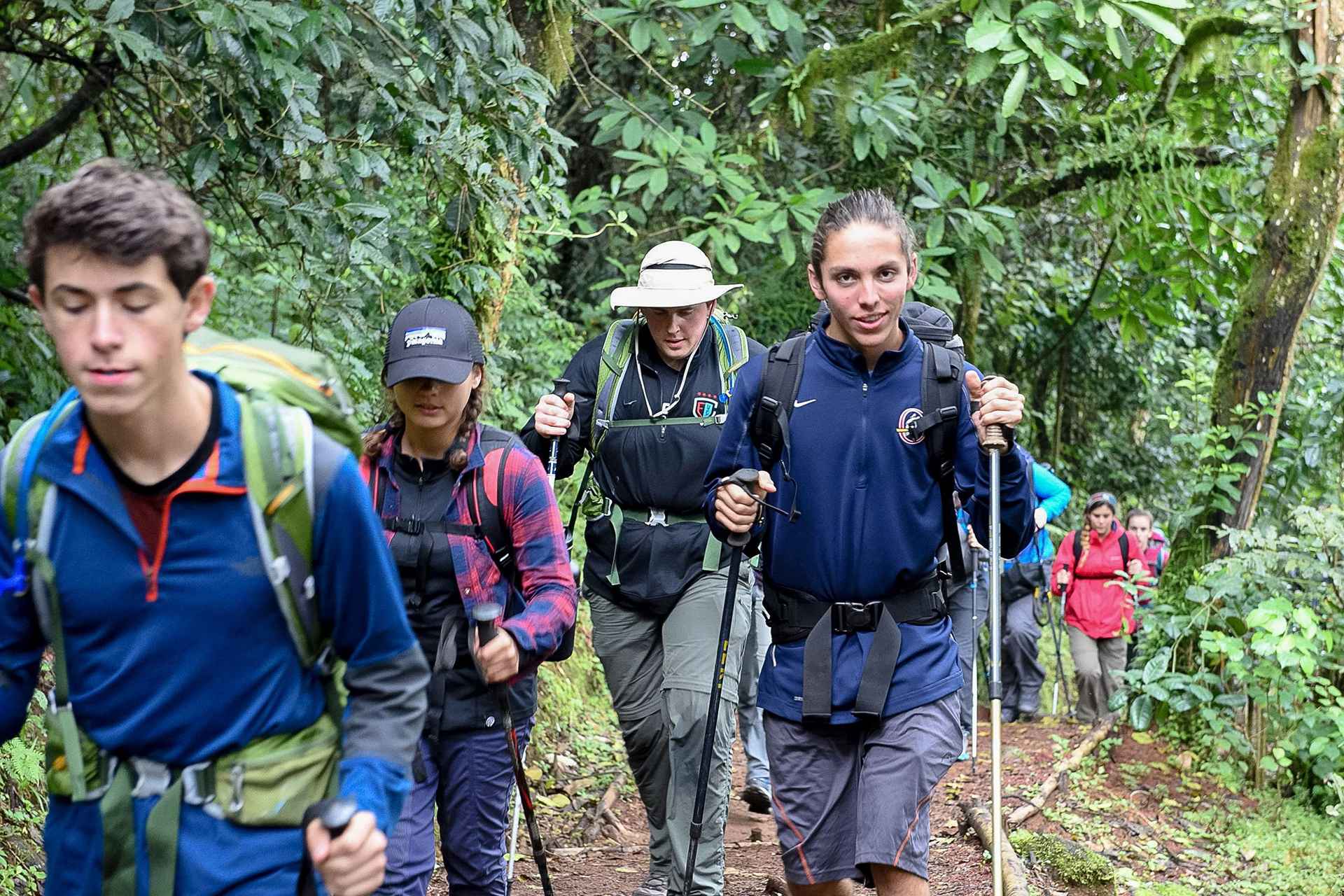
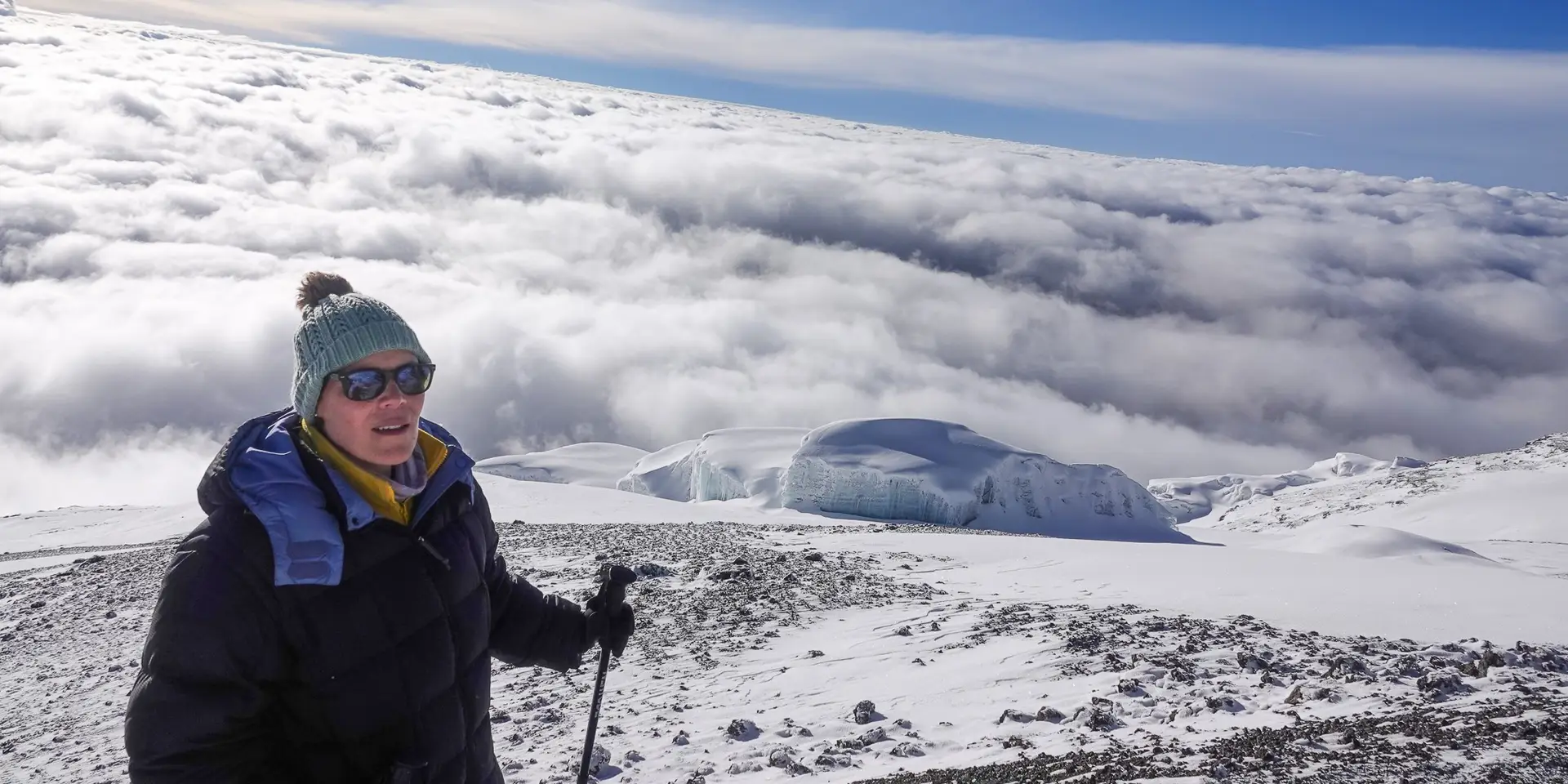
The mountain also passes through several ecological zones, meaning conditions change dramatically during the trek. You may begin your journey in a relatively warm rainforest and eventually find yourself walking through an extremely cold, high-altitude environment near the summit.
Understanding these challenges before you arrive in Tanzania will help you prepare both physically and mentally.
Choose the Right Kilimanjaro Route
One of the most important decisions for a first-time trekker is choosing the right Kilimanjaro route. There is no single route that is perfect for everyone, because each has its own characteristics, scenery, duration and acclimatization profile.
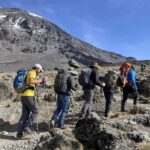
The Lemosho Route is particularly popular among trekkers who want a scenic approach and a longer itinerary. An 8-day Lemosho climb provides a gradual journey and more time to adapt to the increasing altitude, making it an attractive option for many first-time trekkers.
The Machame Route is another popular choice. Known for its beautiful landscapes and more adventurous trail, it is often selected by travelers looking for a challenging but rewarding trekking experience. A longer Machame itinerary can provide better acclimatization opportunities than a very short climb.
The Northern Circuit offers an even longer approach around the mountain and can be particularly suitable for trekkers who have enough time and want to prioritize gradual acclimatization.
The Marangu Route, meanwhile, is distinctive because it uses mountain huts rather than camping throughout the route. It can appeal to travelers who prefer hut accommodation, although choosing a longer itinerary remains important when considering acclimatization.
For a first Kilimanjaro experience, we recommend choosing your route based on duration, acclimatization, scenery, difficulty and personal preferences, rather than simply choosing the cheapest or shortest option.
Give Yourself Enough Time to Acclimatize
Acclimatization is one of the most important factors to consider when planning a Kilimanjaro climb. Your body needs time to adjust to the reduction in available oxygen as you gain altitude.
Altitude sickness can affect anyone, regardless of age, fitness level or previous hiking experience. Early symptoms can include headache, tiredness, dizziness, nausea and loss of appetite. More serious altitude-related conditions can become dangerous and require immediate descent.
This is why rushing to the summit is never a good strategy. A well-planned itinerary allows your body more time to adapt and gives your guides an opportunity to monitor how you are responding to the altitude.
For first-time trekkers, a longer itinerary such as an 8-day Lemosho climb or a longer Northern Circuit trek can be worth considering because additional time on the mountain can support a more gradual acclimatization process.
Follow the Principle of “Pole Pole”
One of the most useful phrases you will hear during a Kilimanjaro climb is “pole pole.” In Swahili, it means “slowly, slowly.”
Your guide will probably remind you to walk at a steady and controlled pace, particularly during the early days of the trek.
It is easy to become excited at the beginning of the journey and walk faster than necessary. However, Kilimanjaro is not a race. Conserving your energy and allowing your body to gradually adjust to the altitude is much more important than reaching camp before everyone else.
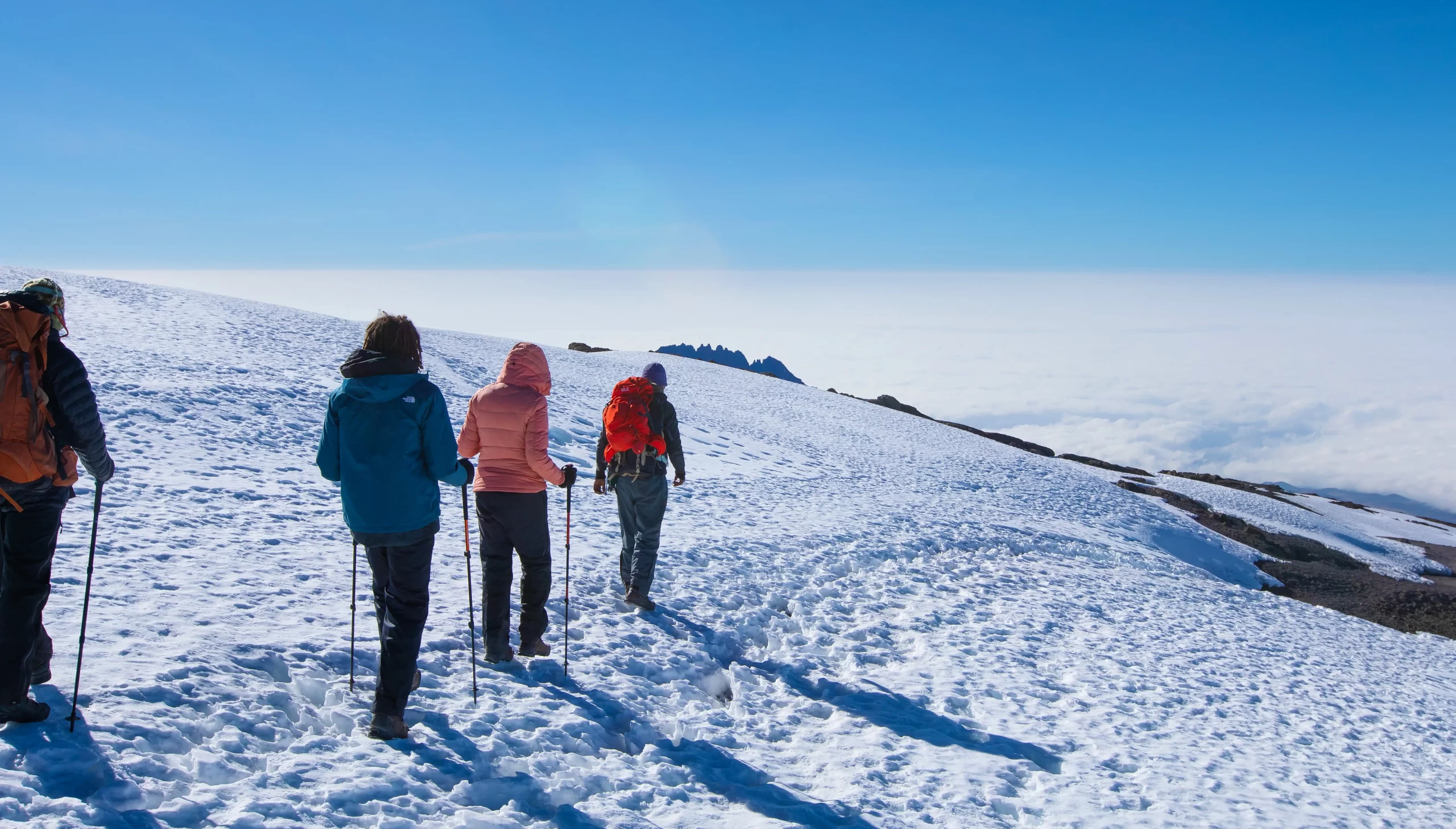
A slow, consistent pace can make the experience more comfortable and help you preserve energy for the higher sections and summit attempt.
Start Training Before Your Kilimanjaro Trek
You do not need to become an elite athlete to climb Kilimanjaro, but arriving in reasonable physical condition can make a significant difference.
Your preparation should focus on building endurance rather than simply maximum strength. Regular walking, hiking, cycling, jogging or other cardiovascular activities can help improve your overall stamina.
If possible, include hills and stairs in your training because Kilimanjaro involves continuous uphill and downhill walking. Longer weekend hikes can also help your body become accustomed to spending several hours on your feet.
Strengthening your legs, glutes and core can complement your cardiovascular training. The objective is not to train for a single extremely difficult workout but to prepare your body for several consecutive days of physical activity followed by a demanding summit night.
Practice With Your Trekking Footwear
Your hiking boots or trekking shoes are among the most important pieces of equipment you will take to Kilimanjaro.
Avoid arriving in Tanzania with brand-new footwear. Shoes that feel comfortable for a short walk may become uncomfortable after several hours of trekking.
Wear your trekking footwear during your training walks so you can identify potential problems before your climb. This gives you time to adjust your socks, insoles or footwear if you experience blisters, pressure points or discomfort.
Comfort and reliable grip are much more important than simply choosing the most expensive pair of hiking boots.
Prepare for Several Different Climates
One of the remarkable aspects of climbing Kilimanjaro is the dramatic change in climate as you gain altitude.
The lower slopes can be warm and humid, while the higher sections become progressively colder and more exposed. Near the summit, temperatures can drop well below freezing, particularly during the early morning hours of the summit attempt.
For this reason, a layering system is more practical than relying on one heavy jacket. Base layers can help manage moisture, insulating layers provide warmth, and a waterproof outer layer can protect you from rain and wind.
Your summit clothing deserves particular attention because the combination of darkness, wind, altitude and cold can make summit night extremely demanding.
Prepare Properly for Summit Night
For many first-time trekkers, the summit attempt is unlike anything they have experienced before.
The final ascent normally begins during the night or very early morning. You will climb through darkness, often in very cold conditions, while already being at high altitude and carrying several days of physical fatigue.
The pace is deliberately slow, and the journey toward Uhuru Peak can take several hours.
This is where the preparation you have done during the previous days becomes important. Your body needs sufficient energy, your clothing must keep you warm, and your mindset needs to remain focused.
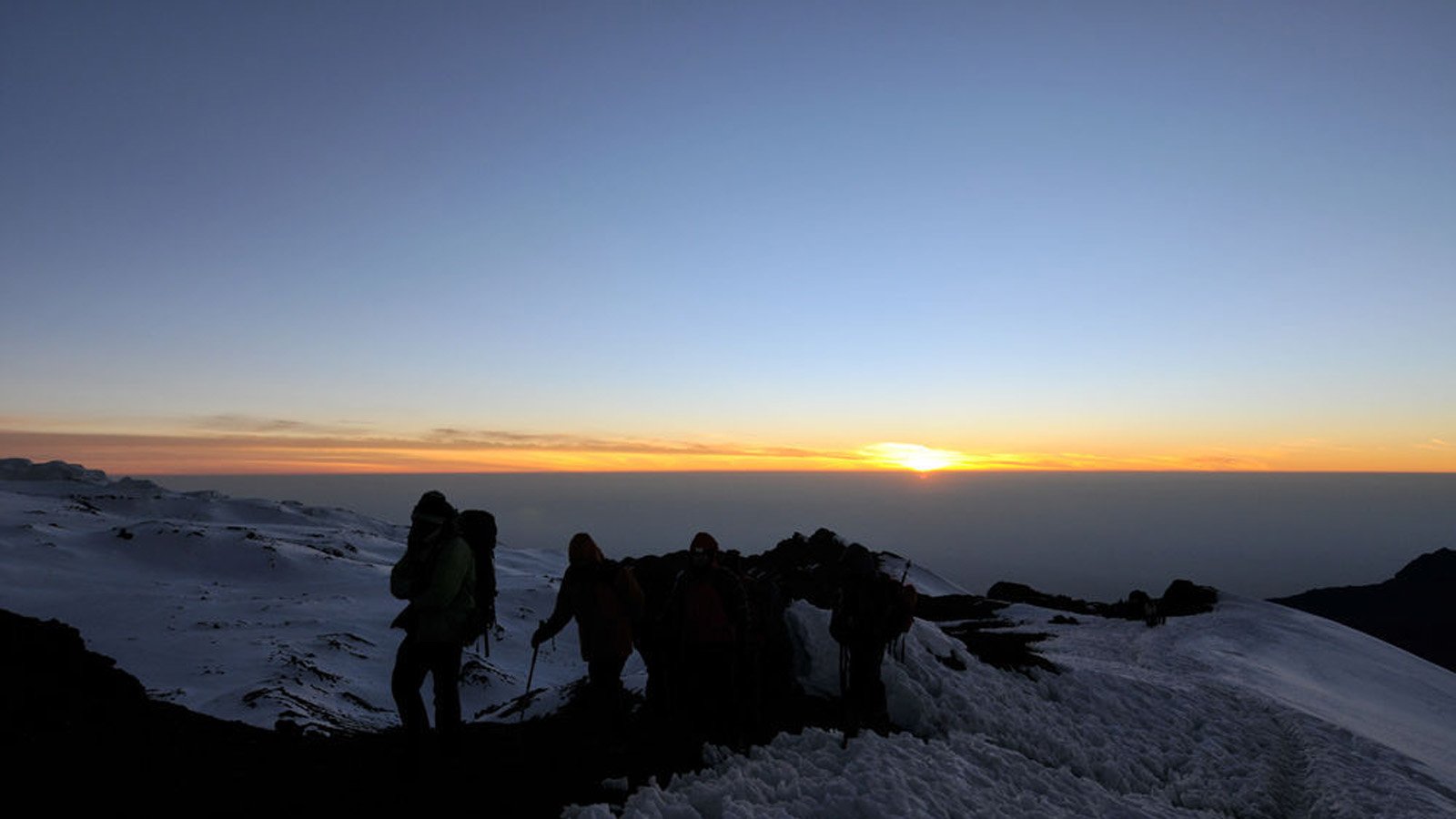
Rather than thinking about the entire summit climb at once, concentrate on one section at a time and follow the guidance of your mountain crew.
Take Altitude Symptoms Seriously
One of the most important rules for first-time Kilimanjaro trekkers is to communicate honestly with your guide.
If you develop a headache, nausea, dizziness, unusual fatigue or other symptoms, tell your guide rather than attempting to hide them because you are determined to reach the summit.
Altitude-related symptoms should not automatically be dismissed as part of the normal trekking experience. Serious altitude illness can become life-threatening, and the appropriate response may involve stopping the ascent or descending to a lower altitude.
Your guide’s job is not simply to take you to the summit. A professional mountain guide is also responsible for monitoring the group and helping make decisions that prioritize safety.
Stay Hydrated and Eat Regularly
Maintaining adequate hydration and nutrition is important throughout your Kilimanjaro trek.
At altitude, some trekkers experience reduced appetite, but your body still requires energy to walk for several hours each day. Eating regular meals and carrying suitable snacks can help maintain your energy levels.
Drink regularly throughout the day rather than waiting until you feel extremely thirsty. Your trekking team can advise you about water supplies and your daily hydration requirements.
It is also useful to keep personal snacks such as nuts, dried fruit, energy bars or chocolate accessible during the day’s walk.
Do Not Compare Your Progress With Other Trekkers
Every person responds differently to physical exertion and altitude.
You may find yourself walking alongside someone who appears much faster than you, while another trekker may need considerably more time to complete the same section.
This is completely normal.
Your Kilimanjaro climb is not a competition. Walking at a pace that is comfortable and sustainable for you is much more important than trying to match another person’s speed.
The mountain rewards patience.
Get Enough Rest During the Trek
Each day on Kilimanjaro contributes to the physical challenge of the climb, so rest is an important part of your preparation.
Once you arrive at camp, use the opportunity to recover rather than spending all your energy exploring or socializing.
Sleep can sometimes be difficult at higher altitudes, but maintaining a comfortable evening routine and giving yourself adequate time to rest can help your body recover.
This becomes particularly important before the summit attempt, when you may have limited sleep before beginning the final ascent.
Protect Yourself From the Sun
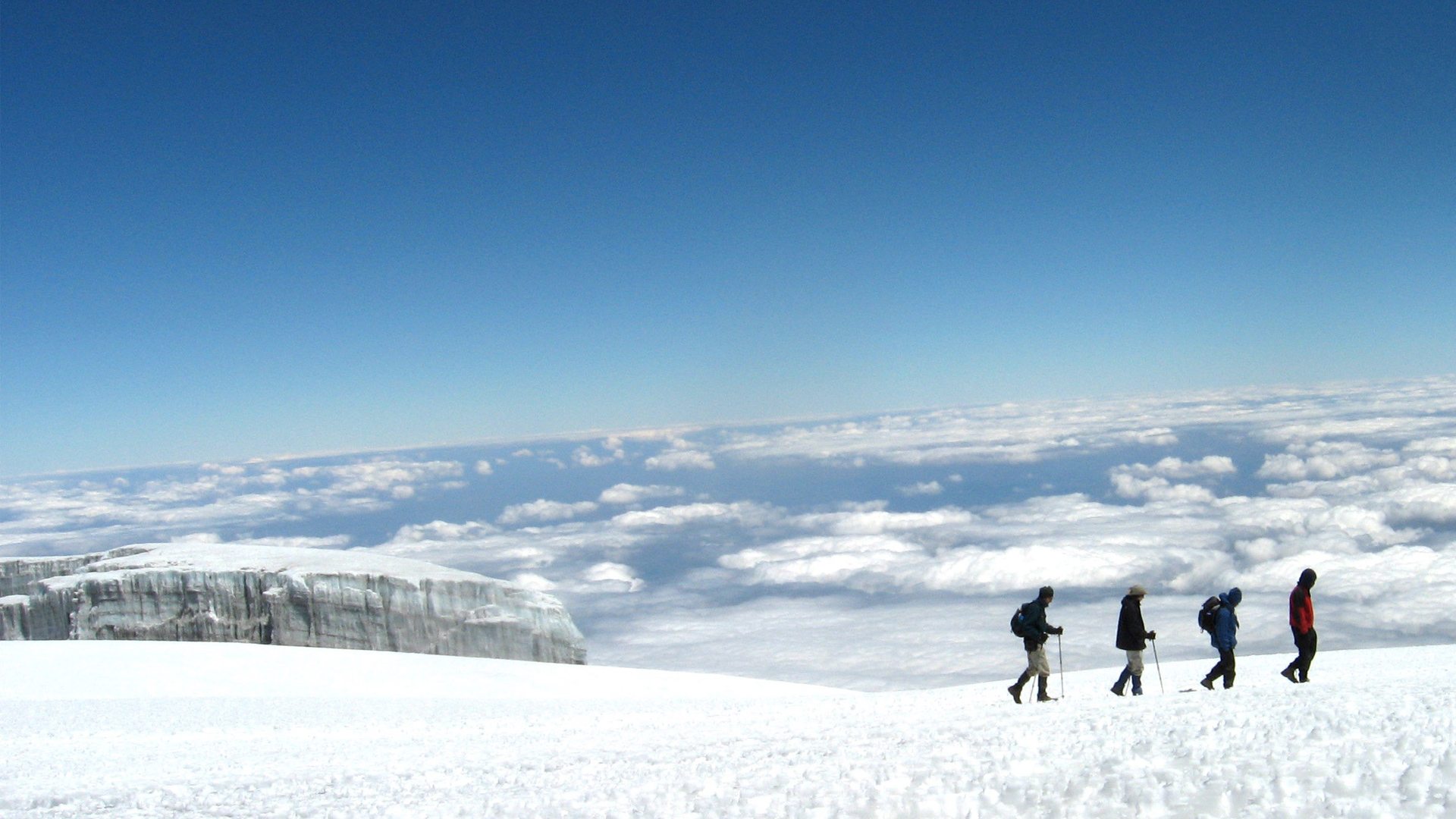
The sun can be surprisingly strong at high altitude. UV exposure can increase with elevation, so sun protection should be part of your Kilimanjaro packing plan.
A good sunscreen, sunglasses, a suitable hat and lip protection can help reduce exposure during the trek.
Even when temperatures feel cool, you can still experience significant sun exposure, particularly on open sections of the mountain.
Prepare for Changing Weather
Kilimanjaro weather can change considerably depending on altitude, season and time of day.
Rain can occur in the lower forest, while strong winds and freezing temperatures can be experienced near the summit. Cloud and mist can also affect visibility.
Your clothing should therefore be flexible enough to handle changing conditions. Waterproof protection is particularly important, because becoming wet during a cold section of the trek can make the experience considerably more uncomfortable.
An experienced local operator can also help you understand what conditions are generally expected during your chosen travel period.
Choose the Right Time to Climb Kilimanjaro
Although Kilimanjaro can be climbed during different periods of the year, some seasons are generally more popular because of their weather conditions.
The commonly preferred trekking periods include January to March and June to October, when conditions are generally more favorable for mountain trekking.
The mountain can still experience unpredictable weather, however, and there is no season in which weather is guaranteed to remain perfect throughout the entire climb.
Your travel dates should therefore be considered alongside your preferred route, trekking duration and tolerance for different weather conditions.
Choose an Experienced Local Kilimanjaro Operator
The company you choose can significantly influence your trekking experience.
A reputable local operator should be transparent about the route, number of days, inclusions, accommodation, crew, safety procedures and overall cost.
It is also worth asking how the company supports its guides and porters. A responsible Kilimanjaro experience should not focus solely on the client; the welfare and fair treatment of the mountain crew are equally important.
Working with a Tanzania-based operator can also provide the advantage of local knowledge, from route planning and weather considerations to logistics before and after the trek.
Make Sure Your Travel Insurance Is Suitable
Before traveling to Tanzania, check your travel insurance carefully.
Not every standard travel insurance policy automatically covers high-altitude trekking. Your policy should be appropriate for the type of activity you are undertaking and should provide suitable emergency medical and evacuation coverage.
It is better to understand your coverage before beginning your journey than to discover limitations after an emergency occurs.

Consider Your Health Before Climbing
Kilimanjaro reaches an altitude of nearly 5,900 metres, so high-altitude travel deserves serious preparation.
If you have an existing medical concern or are unsure whether you are prepared for high-altitude trekking, speak with a qualified medical professional before your trip.
A medical professional can provide advice based on your individual circumstances and help you understand the potential risks associated with high-altitude travel.
Respect Kilimanjaro’s Environment
Kilimanjaro is not simply a mountain to be conquered. It is a protected natural environment that should be treated with respect.
Responsible trekkers should avoid leaving waste behind, follow designated trails and respect the surrounding environment.
The mountain is part of Tanzania’s natural heritage, and protecting it helps ensure that future generations can experience the same landscapes.
A responsible trekker should leave the mountain with photographs and memories—not rubbish.
Understand the Importance of Your Mountain Crew
Your guides, porters and other crew members play an essential role in making a Kilimanjaro climb possible.
Your guide provides route knowledge, leadership and support, while porters help transport equipment and supplies throughout the trek.
When selecting an operator, consider whether it demonstrates responsible practices toward its mountain crew. Ethical treatment, reasonable working conditions and proper support should be part of a responsible Kilimanjaro operation.
Your trekking experience should be memorable not only because you reached Uhuru Peak, but also because the journey was conducted responsibly.
Prepare Mentally for the Mountain
Physical preparation is only part of getting ready for Kilimanjaro.
There may be moments when you feel tired, cold or uncertain about whether you can continue. The summit can seem very far away during the final ascent.
A positive and patient mindset can help you manage these moments.
Instead of thinking about the entire mountain, concentrate on the next stage of the journey. Reach the next resting point, continue to the next section and listen to your guide.
One step at a time can eventually take you to Uhuru Peak.
Enjoy the Journey, Not Just the Summit
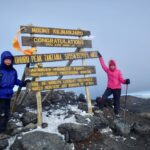
It is natural to focus on the famous Uhuru Peak summit sign, but Kilimanjaro offers an extraordinary experience long before you reach the top.
The changing vegetation, dramatic landscapes, sunrise views, conversations with your guides and the feeling of gradually rising above the surrounding plains are all part of the adventure.
Take time to appreciate the journey.
Reaching the summit is an incredible achievement, but the memories you create along the way will remain an important part of your Kilimanjaro experience.
How Many Days Should a First-Time Trekker Spend on Kilimanjaro?
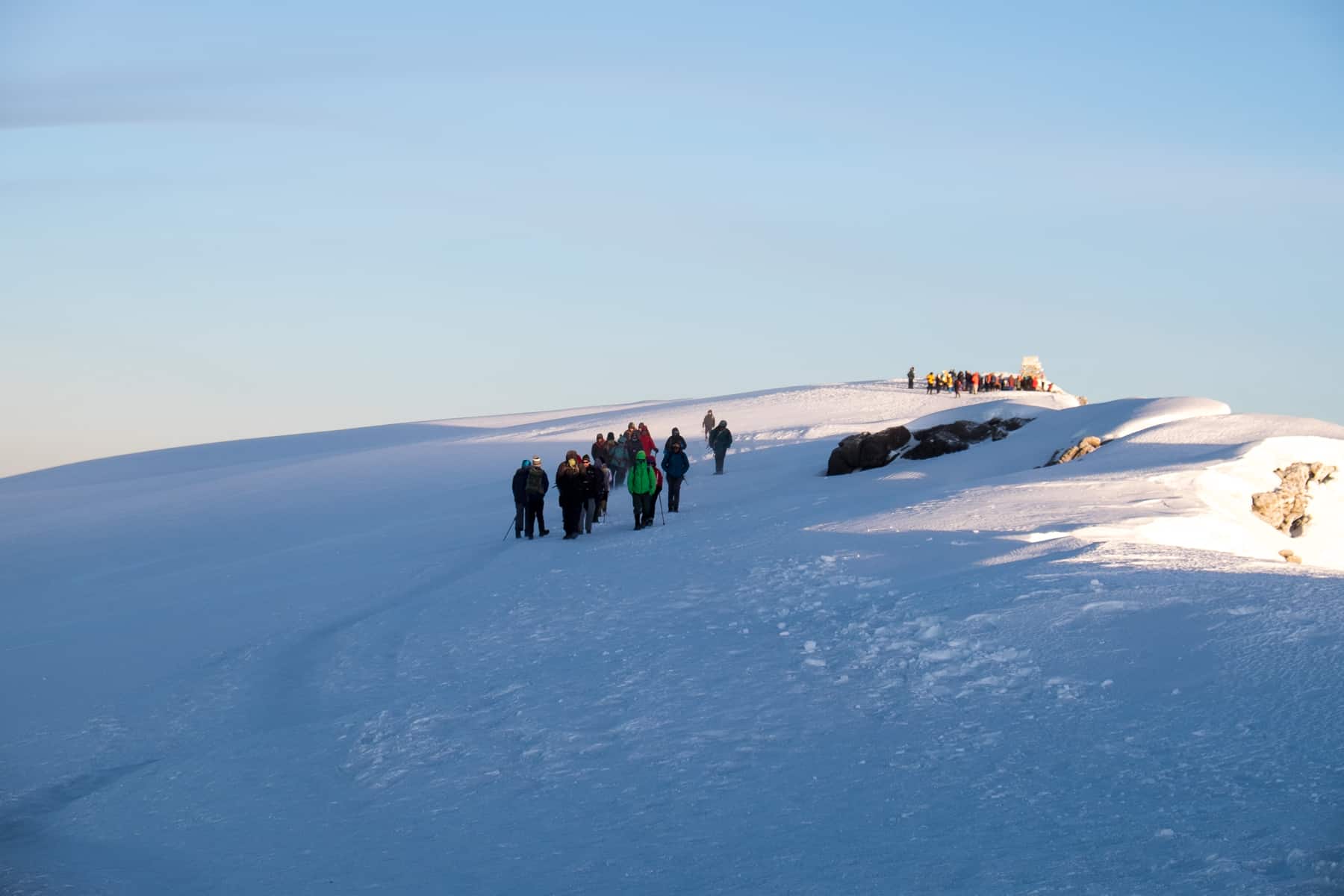
There is no universal number of days that guarantees a successful summit. However, first-time trekkers should generally avoid choosing an itinerary solely because it is the shortest or cheapest option.
A longer itinerary can provide more time for acclimatization and allow the trek to progress at a more comfortable pace. Routes such as an 8-day Lemosho climb, 7-day Machame trek or longer Northern Circuit itinerary can be attractive options for travelers who want to give themselves more time on the mountain.
The right duration depends on your chosen route, fitness, travel schedule and personal preferences.
What Is the Best Kilimanjaro Route for First-Time Trekkers?
For many beginners, Lemosho and Machame are excellent choices because they offer beautiful scenery and established trekking itineraries. Lemosho is particularly appealing to travelers who can dedicate more days to the mountain and want a gradual approach.
The Northern Circuit can be another strong option for those with sufficient time, while Marangu may appeal to trekkers who prefer hut accommodation.
Rather than asking which route is universally “best,” it is more useful to ask which route provides the right combination of scenery, duration, difficulty and acclimatization for you.
What Should First-Time Kilimanjaro Trekkers Pack?
Your packing requirements will depend on your route, season and operator, but you should be prepared for a wide range of temperatures and weather conditions.
Good trekking footwear, moisture-managing base layers, warm insulation, waterproof protection, gloves, a warm hat, sunglasses, sunscreen and a reliable headlamp are among the important items to consider.
Your operator should provide a detailed packing list before departure and clarify which equipment may be available for hire.
Is Kilimanjaro Difficult for First-Time Trekkers?
Kilimanjaro is physically demanding, particularly because of its altitude and the difficulty of summit night. However, previous high-altitude climbing experience is not normally required on the standard trekking routes.
With appropriate preparation, a suitable itinerary, good pacing and professional mountain support, many first-time trekkers successfully reach Uhuru Peak.
The key is not to underestimate the mountain.
Can You Climb Kilimanjaro Without Previous Hiking Experience?
It is possible for people without extensive mountain experience to prepare for and climb Kilimanjaro, but preparation is important.
Someone who has never completed a multi-day trek should consider gradually increasing their walking distance and endurance before arriving in Tanzania.
Regular hiking before the trip can also help you become comfortable with the physical demands of walking for several consecutive days.
What Does “Pole Pole” Mean on Kilimanjaro?
Pole pole is a Swahili expression meaning “slowly, slowly.” You will often hear Kilimanjaro guides use the phrase to encourage trekkers to maintain a steady pace.
It captures one of the most important principles of climbing Kilimanjaro: do not rush the mountain.
Can First-Time Trekkers Get Altitude Sickness on Kilimanjaro?
Yes. Altitude sickness can affect both experienced and inexperienced trekkers, regardless of physical fitness.
Symptoms may include headache, nausea, dizziness, tiredness and loss of appetite. More serious symptoms can be dangerous and require immediate descent.
Always communicate honestly with your guide if you feel unwell.
Is Travel Insurance Necessary for Kilimanjaro?
Travel insurance is strongly recommended, particularly insurance that specifically covers high-altitude trekking and appropriate emergency medical or evacuation expenses.
Before purchasing a policy, read the conditions carefully and make sure Kilimanjaro is covered at the altitude you will be trekking.
Can I Combine Kilimanjaro With a Tanzania Safari?
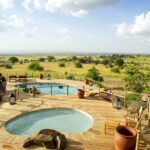
Yes. Combining a Kilimanjaro climb with a Tanzania safari is an excellent way to experience two of the country’s most iconic adventures in one trip.
After completing your trek, you can explore destinations such as Tarangire National Park, Ngorongoro Crater and Serengeti National Park. Travelers with additional time can also extend their journey to Zanzibar for a relaxing beach holiday.
Start Planning Your First Kilimanjaro Trek With Sweet Memory Adventure
Your first Kilimanjaro trek should be carefully planned from the moment you begin choosing your route until the day you stand at Uhuru Peak.
At Sweet Memory Adventure, we understand that first-time trekkers often have many questions about routes, preparation, acclimatization, equipment, trekking duration and what to expect on the mountain. As a Tanzania-based adventure company, we can help you choose a Kilimanjaro experience that matches your interests, available time and travel plans.
Whether you are considering the Lemosho Route, Machame Route, Marangu Route, Rongai Route or Northern Circuit, we can help you plan your climb with a focus on preparation, responsible trekking and an enjoyable experience.
You can also combine your Kilimanjaro adventure with a Tanzania wildlife safari or Zanzibar beach holiday to create a complete Tanzania journey.
Ready to start planning your first Kilimanjaro adventure?
Call/WhatsApp: +255 756 775 771
Email: info@sweetmemoryadventure.com
Website: www.sweetmemoryadventure.com
Sweet Memory Adventure — Your journey to the Roof of Africa starts with good preparation.