Discover why expert local Kilimanjaro guides matter. Learn about mountain safety, acclimatization, route knowledge, and choosing professional guides in Tanzania.
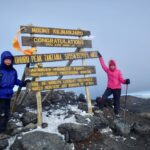
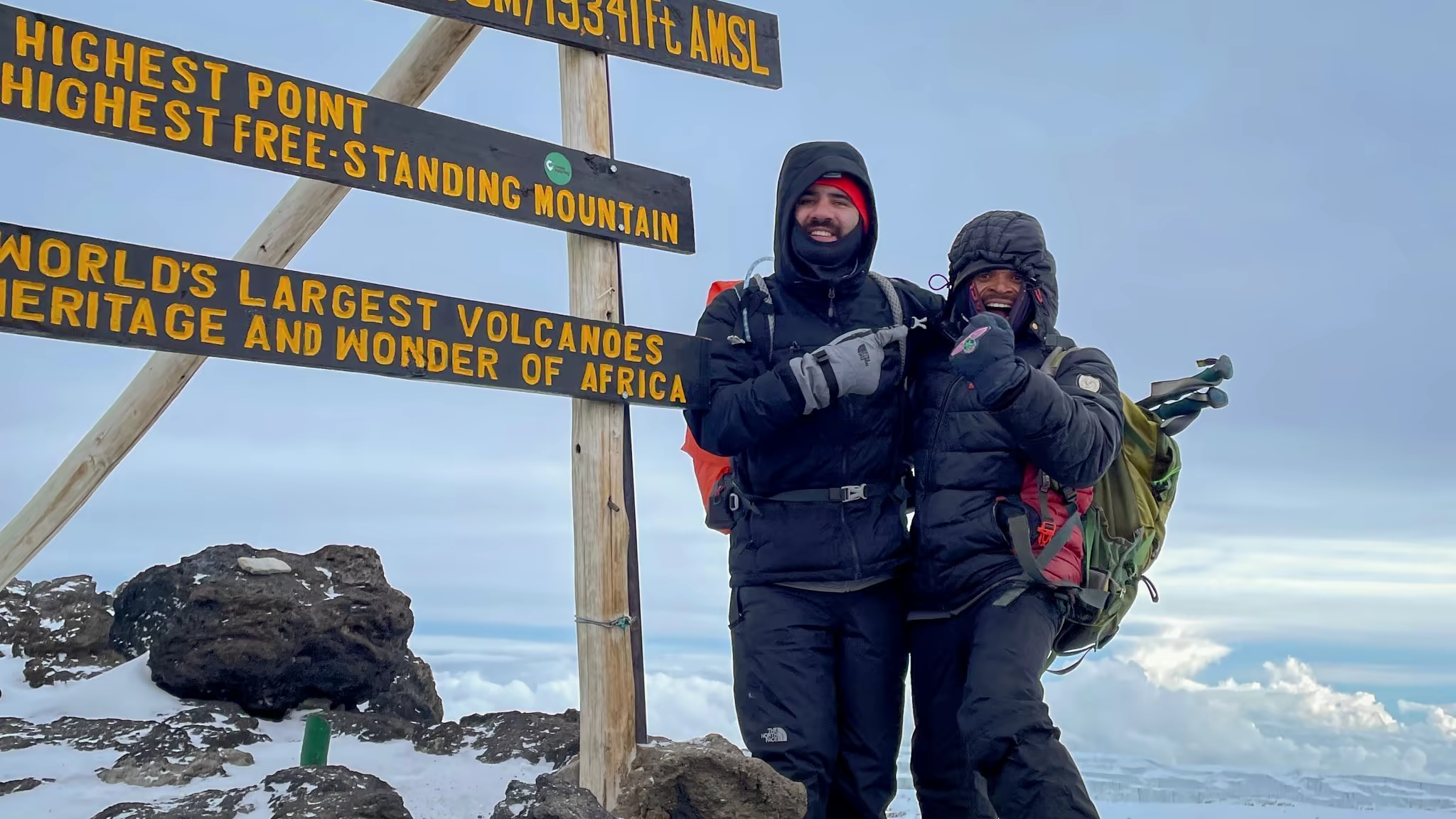
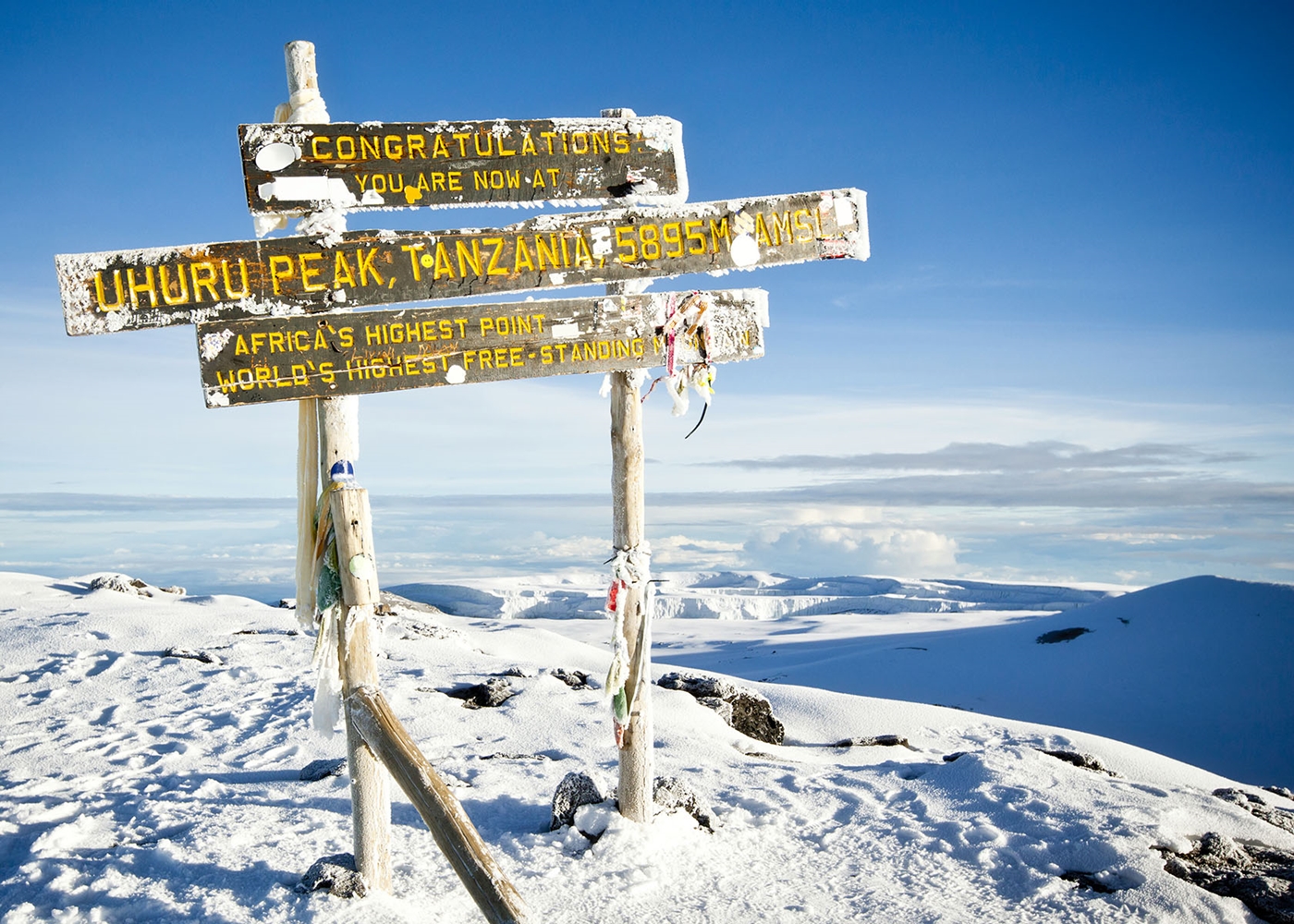
Reaching Uhuru Peak, the summit of Mount Kilimanjaro at 5,895 meters (19,341 feet), is a remarkable achievement. While physical preparation, the right equipment, and choosing an appropriate route are all important, one of the most valuable parts of a successful Kilimanjaro climb is having an experienced and professional mountain guide by your side.
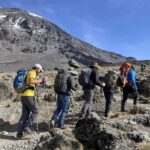
An expert local Kilimanjaro guide does much more than lead you along the trail. Your guide plays an important role in route navigation, acclimatization, mountain safety, pacing, communication, and helping you understand the landscapes and communities surrounding Africa’s highest mountain.
At Sweet Memory Adventure, our Kilimanjaro trekking experiences are led by experienced local mountain professionals who know the mountain, its routes, changing conditions, and the challenges that trekkers may encounter along the way.
Why Choose Local Kilimanjaro Guides?
Choosing a local Kilimanjaro guide gives you the advantage of trekking with someone who has extensive knowledge of the mountain and its environment.
Local guides understand the different Kilimanjaro routes, seasonal weather patterns, campsite locations, trail conditions, and the gradual changes in altitude experienced throughout the climb.
More importantly, experienced guides understand that every trekker is different. Some climbers may be strong physically but struggle with altitude, while others may need additional encouragement or a slower pace. A professional guide knows how to monitor the group and adapt the trekking experience accordingly.
What Does a Kilimanjaro Guide Do?
A professional Kilimanjaro guide has many responsibilities throughout your climb.
Route Navigation
Kilimanjaro has several established trekking routes, including Lemosho, Machame, Marangu, Rongai, Northern Circuit, and Umbwe.
Each route has its own characteristics, terrain, campsites, and elevation profile. An experienced guide knows the route thoroughly and helps ensure that the group follows the appropriate trail.
Acclimatization Support
Altitude is one of the biggest challenges on Mount Kilimanjaro.
As you climb higher, the amount of available oxygen decreases. Proper acclimatization is therefore essential.
Experienced guides monitor trekkers throughout the journey, paying attention to how each person is responding to increasing altitude. They also encourage a gradual pace and appropriate rest periods.
The famous Kilimanjaro approach of “pole pole,” meaning “slowly slowly” in Swahili, is an important part of maintaining a sustainable trekking pace.
Mountain Safety
Your guide is also responsible for helping maintain safety throughout the trek.
This includes assessing trail conditions, monitoring weather changes, managing trekking pace, and responding appropriately if a trekker becomes unwell.
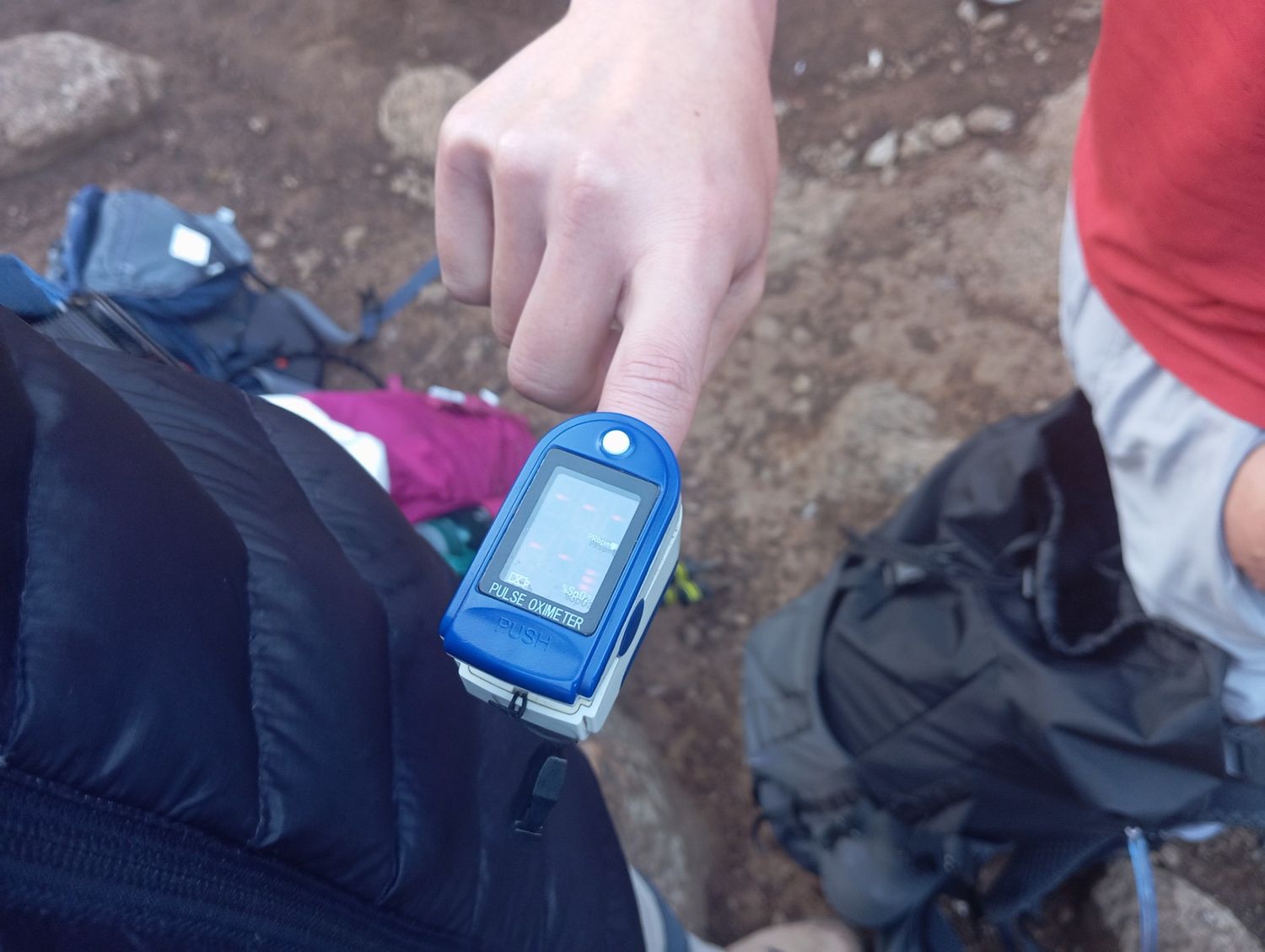
Professional guides are trained to recognize symptoms associated with altitude-related illness and know when a situation requires additional attention or descent.
Daily Trekking Briefings
Before and during each day’s hike, your guide can explain the day’s route, expected trekking time, elevation changes, weather conditions, and important considerations.
These briefings help trekkers understand what to expect and prepare mentally and physically for the day ahead.
Why Local Knowledge Makes a Difference
Mount Kilimanjaro is not simply a trail leading from the bottom of the mountain to the summit.
The mountain passes through several ecological zones, each with its own vegetation, wildlife, climate, and landscape.
A knowledgeable local guide can explain what you are seeing along the way, from the lush rainforest around the lower slopes to the alpine desert and dramatic summit environment.
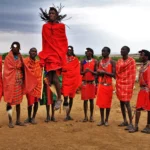
Your guide can also introduce you to aspects of Tanzanian culture, local history, and the communities connected to Kilimanjaro.
This turns the climb from a physical challenge into a richer cultural and educational experience.
Experienced Guides Know the Mountain’s Different Routes
Choosing the right Kilimanjaro route is an important part of planning your trek.
Lemosho Route
The Lemosho Route is known for spectacular scenery and a gradual approach to the mountain. It is particularly popular among trekkers looking for a longer itinerary and good acclimatization opportunities.
An 8-day Lemosho itinerary is an excellent option for climbers who want to give themselves more time on the mountain.
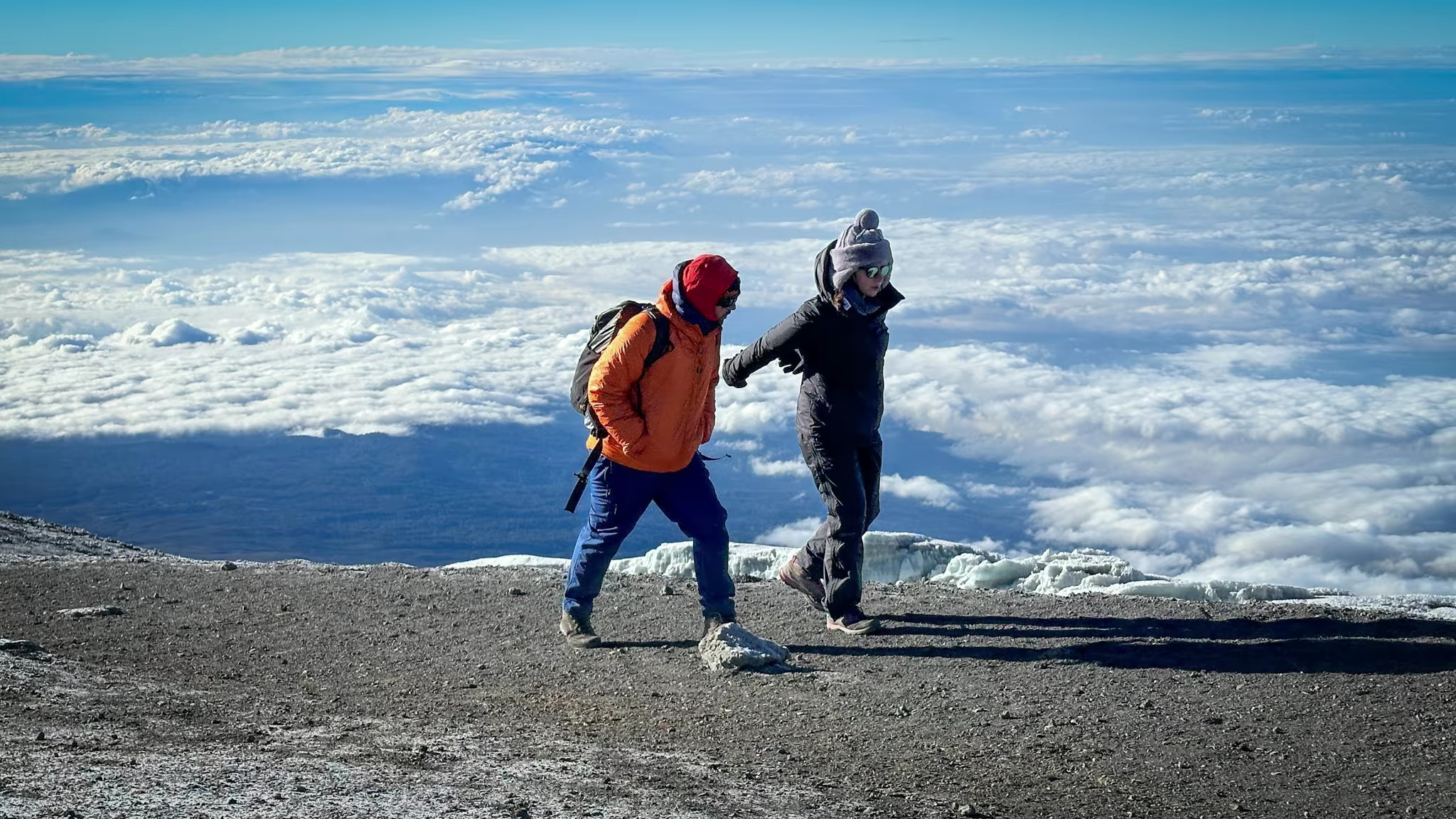
Machame Route
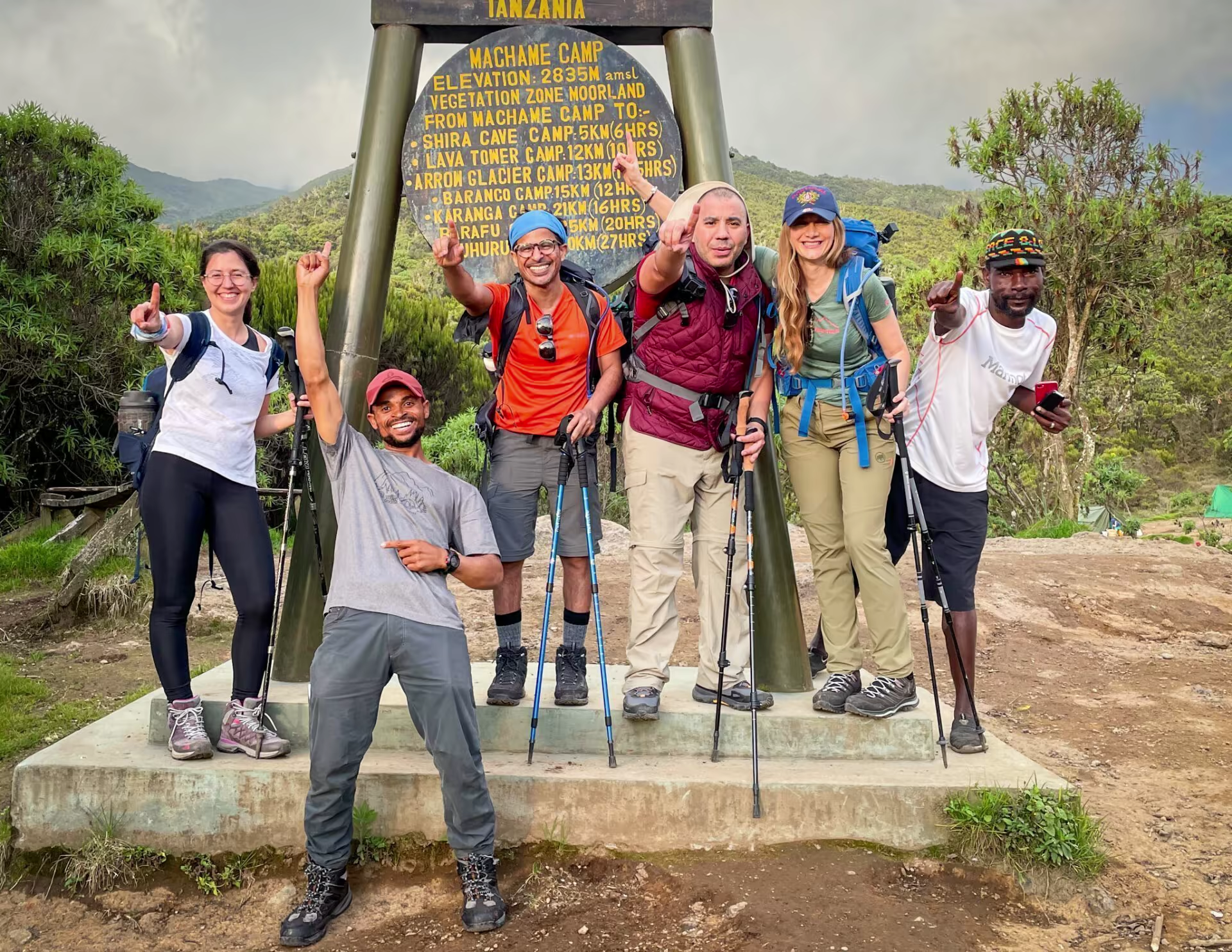
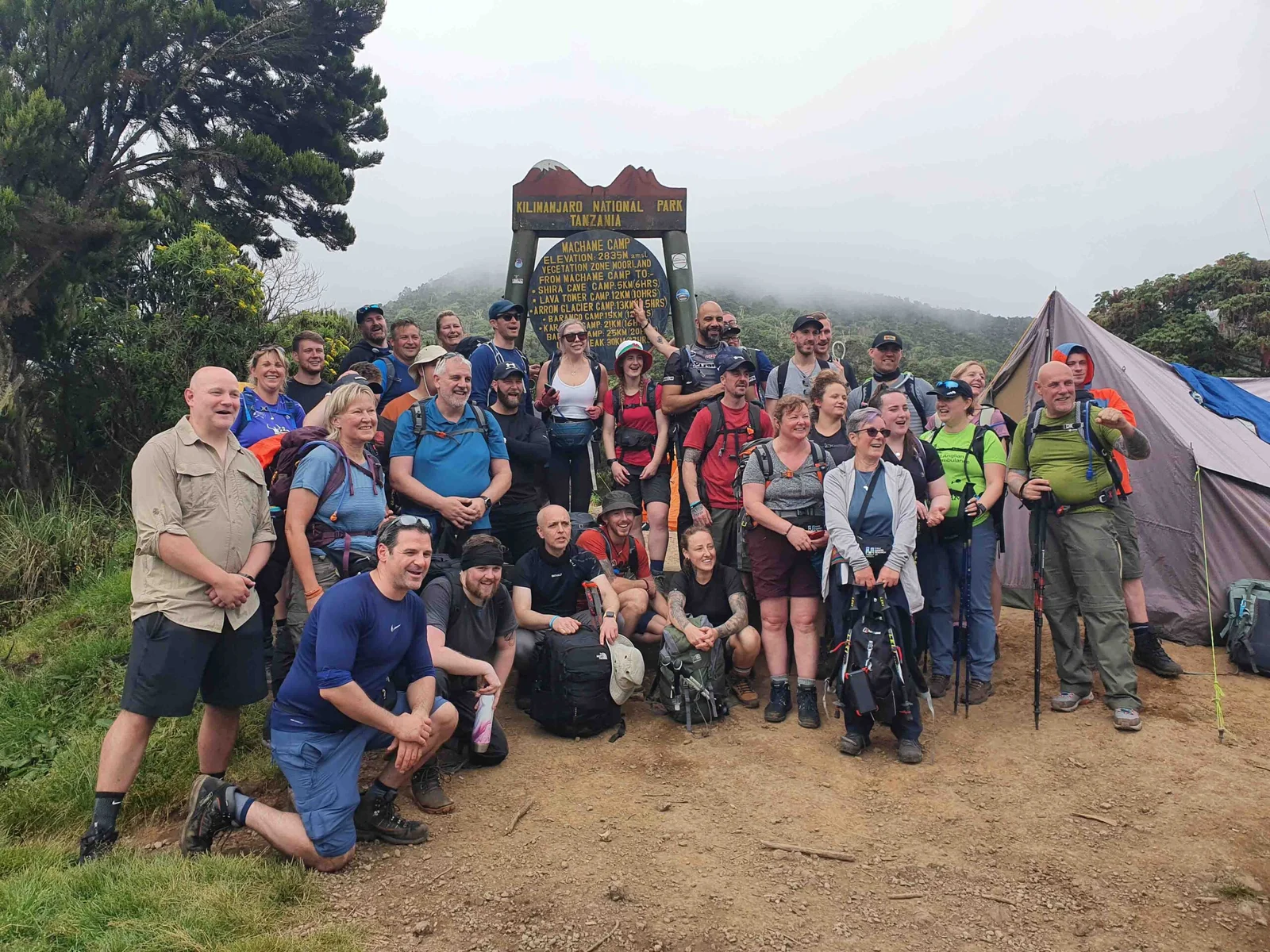
The Machame Route is one of the most popular Kilimanjaro routes and is known for its dramatic landscapes.
Experienced guides help trekkers manage the route’s steep sections and changing terrain while maintaining a sustainable pace.
Northern Circuit
The Northern Circuit is the longest route and provides extensive acclimatization opportunities while exploring the quieter northern slopes of Kilimanjaro.
It is an excellent option for trekkers who prefer a longer and more gradual journey.
Marangu Route
Known as the “Coca-Cola Route,” Marangu is the only main Kilimanjaro route where trekkers stay in mountain huts rather than tents.
The route can be completed in fewer days, although additional acclimatization time is generally beneficial.
Rongai Route
The Rongai Route approaches Kilimanjaro from the northern side and offers a different perspective of the mountain.
Local guides familiar with the route can help trekkers appreciate its unique scenery and changing landscapes.
Kilimanjaro Guides and Summit Night
Summit night is the most demanding stage of a Kilimanjaro climb.
Trekkers typically begin the final ascent during the night, often around midnight, in order to reach Uhuru Peak around sunrise.
The temperatures can be extremely cold, the terrain becomes increasingly challenging, and the altitude makes every step more demanding.
An experienced guide helps establish a steady pace and provides encouragement throughout the ascent.
Reaching Uhuru Peak is a team achievement, and the relationship between climber and guide becomes especially important during these final hours.
How Do Kilimanjaro Guides Help With Altitude?
Altitude affects people differently, and physical fitness alone does not guarantee that someone will avoid altitude-related problems.
Experienced guides observe trekkers throughout the climb and encourage them to communicate honestly about how they are feeling.
They may adjust the pace, recommend additional rest, or advise descent when necessary.
Good communication between trekkers and guides is essential. Climbers should never hide symptoms simply because they want to reach the summit.
The priority should always be health and safety.
What Makes a Good Kilimanjaro Guide?
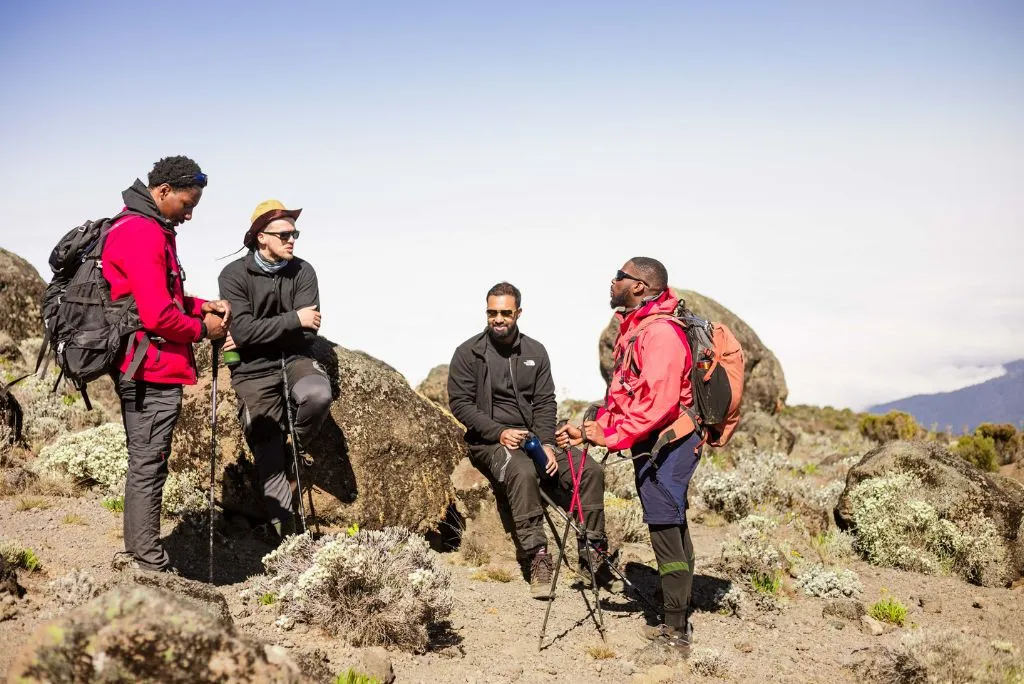
A professional Kilimanjaro guide should combine mountain knowledge with strong leadership and communication skills.
Important qualities include:
Extensive Mountain Experience
Experience helps guides understand the challenges associated with different routes, seasons, elevations, and trail conditions.
Strong Communication
A good guide explains instructions clearly and listens carefully to trekkers.
Patience and Encouragement
Kilimanjaro can be physically and mentally challenging. A supportive guide can make a significant difference when trekkers become tired or uncertain.
Safety Awareness
Professional guides should prioritize the health and safety of their guests throughout the journey.
Local Cultural Knowledge
A local guide can provide insights into Tanzanian traditions, history, language, and communities that visitors may otherwise miss.
Can You Climb Kilimanjaro Without a Guide?
Kilimanjaro is not a mountain where independent trekking should be planned casually. Trekking is conducted through licensed operators and supported by mountain crews, with guides playing an essential role in organized climbs.
For international visitors especially, choosing a reputable local trekking company provides the infrastructure, guidance, support, and safety procedures necessary for a properly organized climb.
How Many Guides Do You Need on Kilimanjaro?
The size of the mountain crew depends on the number of trekkers, itinerary, route, and operator arrangements.
A private climb typically includes a lead mountain guide supported by assistant guides and other crew members according to the size and requirements of the group.
Larger groups generally require additional support staff to ensure that trekkers receive appropriate attention throughout the journey.
Local Guides and the Kilimanjaro Mountain Crew
A successful Kilimanjaro expedition involves more than the lead guide.
The mountain crew may include assistant guides, cooks, and porters who work together to support trekkers throughout the journey.
They help transport equipment, prepare meals, establish camps, and provide essential logistical support.
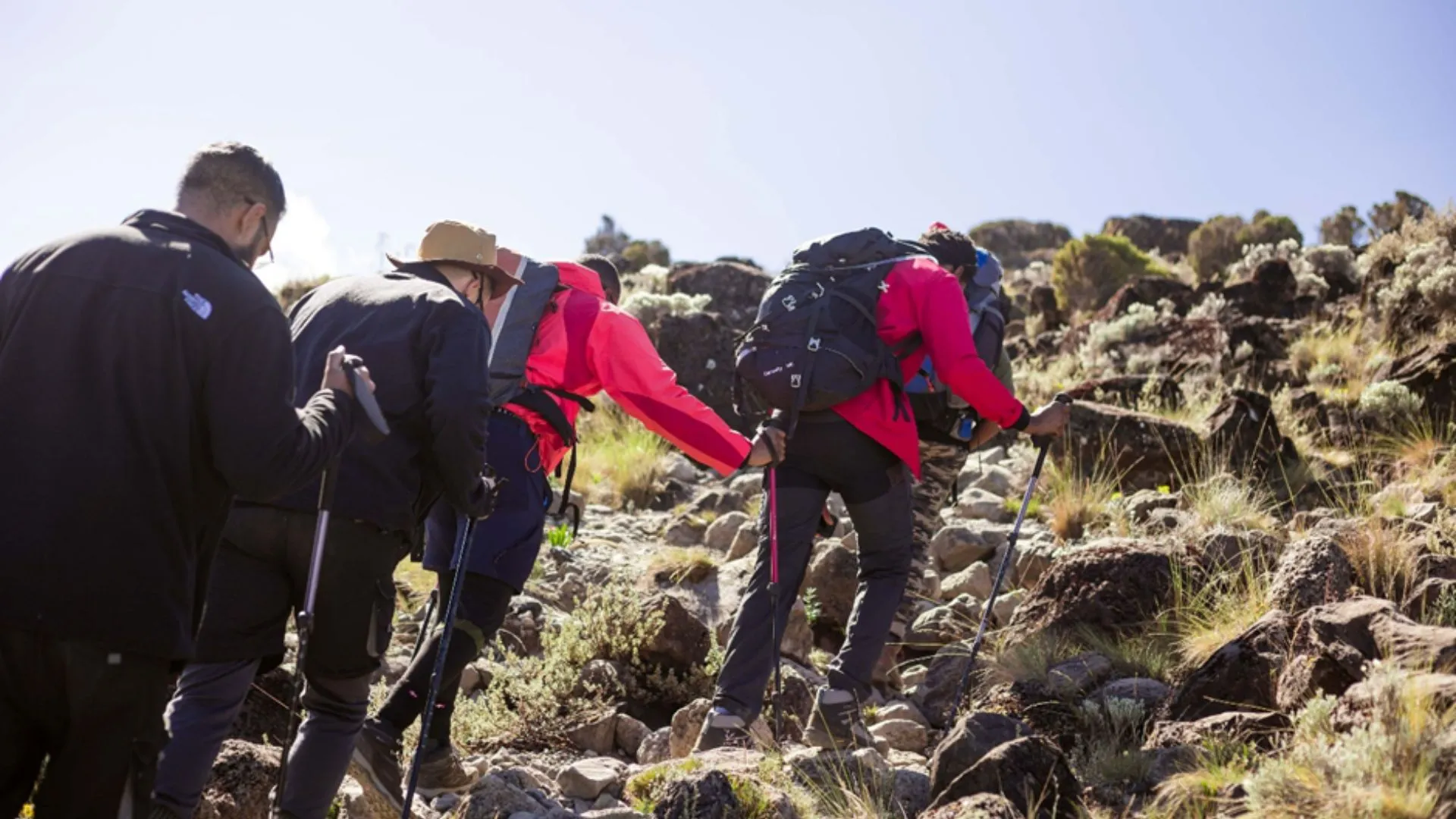
At Sweet Memory Adventure, we recognize that every member of the mountain crew contributes to the success of your climb.
Why Support Local Kilimanjaro Guides?
Choosing a reputable local Tanzania-based trekking company helps keep tourism revenue within local communities.
It also provides opportunities for Tanzanian professionals to build careers within the tourism industry.
When booking a Kilimanjaro climb, travelers should look for operators that treat their mountain crews fairly, provide appropriate working conditions, and follow responsible trekking practices.
How to Choose the Right Kilimanjaro Guide
Before booking your climb, consider the following factors.
Experience
Ask about the experience of the guides who will lead your trek and their familiarity with your chosen route.
Safety Procedures
Find out how the company handles altitude-related problems, emergencies, and evacuation situations.
Route Knowledge
Make sure your guides are experienced on the specific route you plan to climb.
Communication
A guide who communicates clearly and understands your concerns can make the trek considerably more enjoyable.
Responsible Tourism
Choose an operator committed to responsible treatment of guides, porters, and other mountain crew members.
What Should You Ask Your Kilimanjaro Operator?
Before confirming your trek, you can ask:
- Who will be my lead mountain guide?
- How experienced are the guides?
- How many guides will accompany our group?
- What safety procedures are followed?
- How is altitude sickness monitored?
- What happens if I cannot continue?
- How does the company support its mountain crew?
- What equipment is provided?
- How long is the recommended itinerary?
Getting clear answers before your trek helps you understand what to expect and choose a responsible operator.
Why Choose Sweet Memory Adventure?
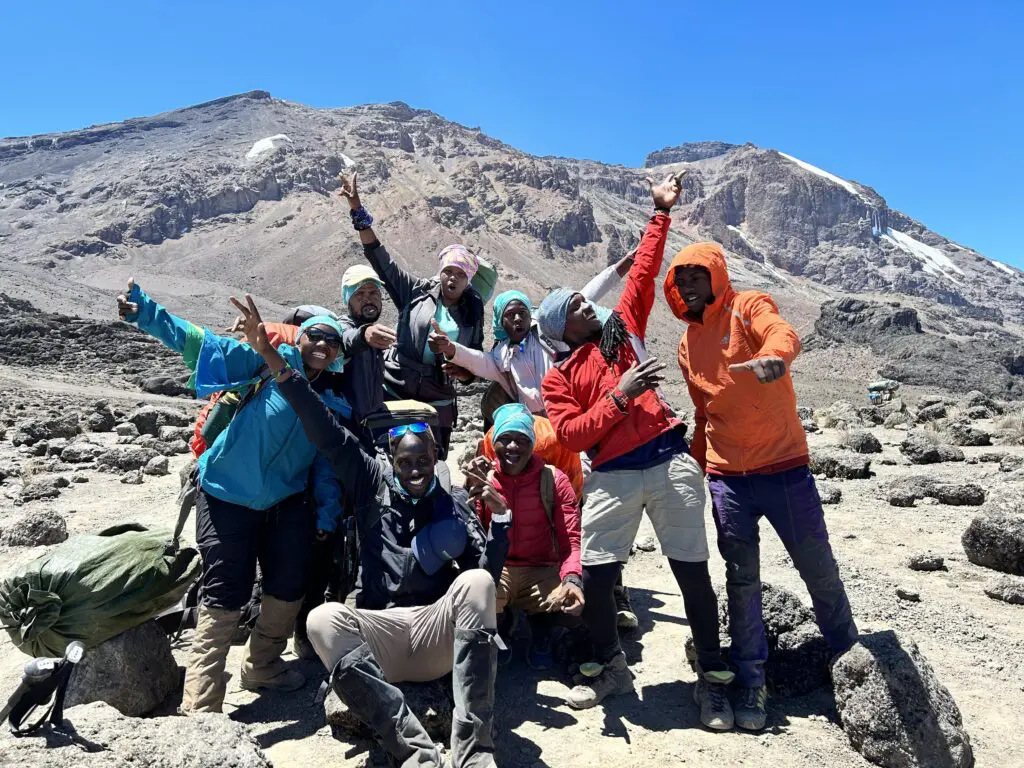
At Sweet Memory Adventure, we believe that experienced local guides are at the heart of an exceptional Kilimanjaro experience.
Our team combines local mountain knowledge, professional trekking experience, safety awareness, and genuine hospitality to help travelers experience Mount Kilimanjaro with confidence.
From the first day on the trail to the final push toward Uhuru Peak, our guides are there to provide direction, encouragement, information, and support.
Whether you are climbing Kilimanjaro as a solo traveler, couple, family, or private group, we can help design an itinerary suited to your goals, preferred route, and available time.
Start Your Kilimanjaro Adventure With Local Experts
Climbing Mount Kilimanjaro is a once-in-a-lifetime experience, and having the right guide can make the journey safer, more comfortable, and more meaningful.
An expert local Kilimanjaro guide does more than lead the way. They help you understand the mountain, manage your pace, adapt to the altitude, appreciate Tanzania’s natural and cultural heritage, and stay focused on your goal of reaching the Roof of Africa.
If you are ready to plan your Kilimanjaro adventure, Sweet Memory Adventure is here to help.
📞 Call/WhatsApp: +255 756 775 771
📧 Email: info@sweetmemoryadventure.com
🌍 Website: www.sweetmemoryadventure.com
Sweet Memory Adventure — Experience Kilimanjaro with local expertise, professional support, and unforgettable memories.
Frequently Asked Questions About Expert Local Kilimanjaro Guides
Why do I need a guide to climb Mount Kilimanjaro?
A professional guide is an essential part of an organized Kilimanjaro climb. Guides provide route navigation, monitor trekking conditions, support acclimatization, help manage the pace of the group, and assist with safety throughout the trek. They also provide valuable knowledge about Kilimanjaro’s environment, history, and local culture.
Are Kilimanjaro guides local Tanzanians?
Many professional Kilimanjaro guides are Tanzanian mountain professionals with extensive experience on Mount Kilimanjaro. Local guides bring valuable knowledge of the mountain’s routes, weather conditions, campsites, terrain, and surrounding communities.
How experienced are Kilimanjaro guides?
The experience of guides varies between operators. When choosing a trekking company, travelers should ask about the experience of the guides assigned to their climb, their familiarity with the selected route, and the company’s safety procedures.
At Sweet Memory Adventure, our Kilimanjaro experiences are supported by experienced local mountain professionals familiar with the mountain and its different trekking routes.
What does a Kilimanjaro guide do?
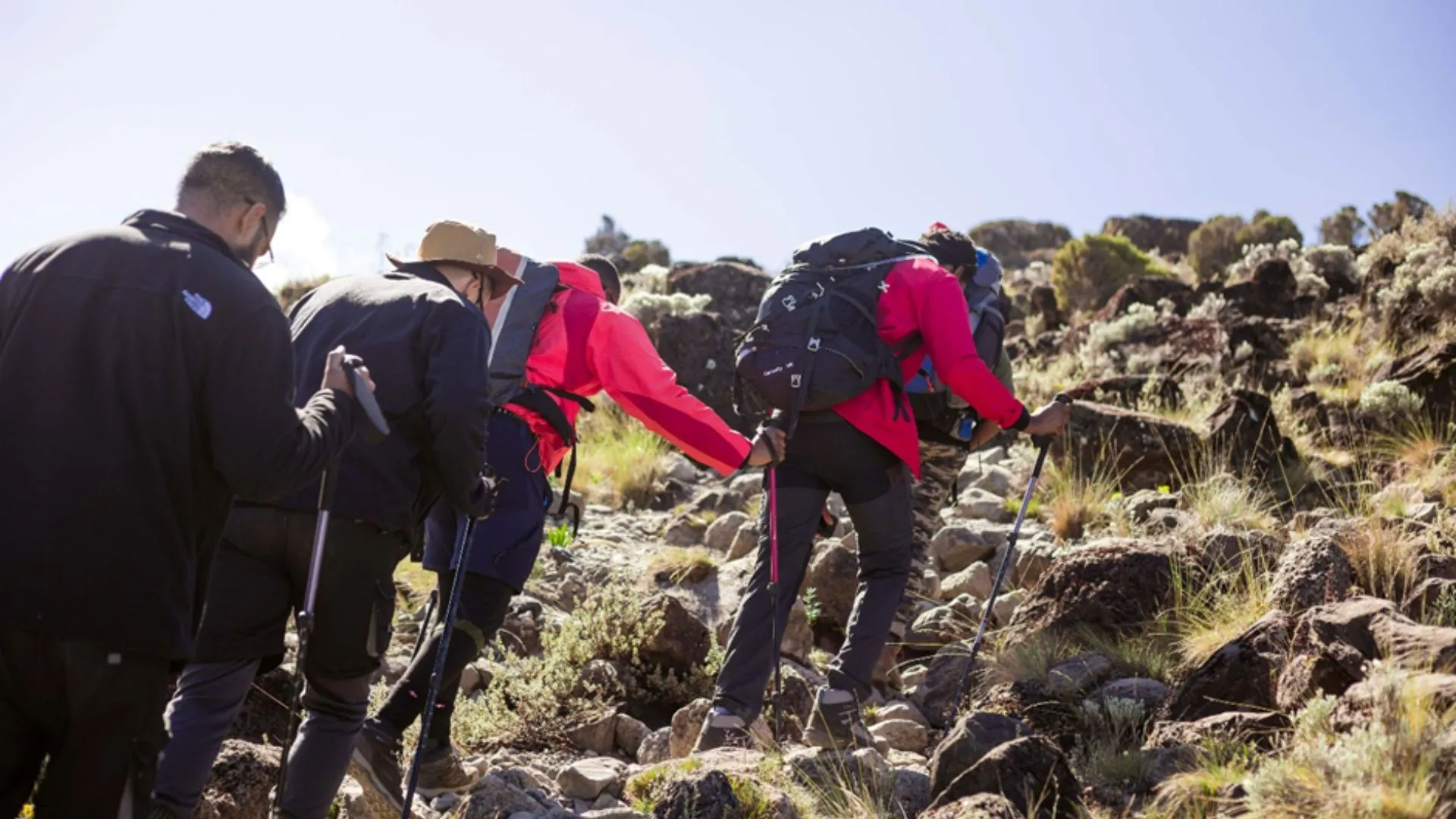
A Kilimanjaro guide is responsible for much more than showing trekkers the way. Their responsibilities can include route navigation, daily trek briefings, monitoring group members, managing trekking pace, supporting acclimatization, assessing changing trail conditions, and providing guidance during the summit attempt.
Do Kilimanjaro guides speak English?
Many professional Kilimanjaro guides working with international visitors speak English and are experienced in communicating with travelers from different countries. Some guides may also speak additional languages depending on their experience and background.
If language is important to you, discuss your preferred language with your tour operator before booking.
How do Kilimanjaro guides help with altitude sickness?
Experienced guides monitor trekkers for symptoms that may indicate altitude-related illness and encourage climbers to communicate honestly about how they are feeling.
They can adjust the trekking pace, recommend rest, and follow established safety procedures if a trekker becomes unwell. If symptoms are serious, descent may be necessary.
Does being physically fit mean I won’t have altitude problems?
No. Fitness can help you handle the physical demands of trekking, but it does not guarantee protection against altitude-related illness. Altitude affects people differently, which is why gradual ascent and proper acclimatization are important regardless of fitness level.
What is “Pole Pole” on Kilimanjaro?
“Pole pole” is a Swahili expression meaning “slowly slowly.” It describes the gradual trekking pace commonly encouraged on Kilimanjaro.
Walking slowly allows trekkers to conserve energy and gives their bodies more opportunity to adjust to increasing altitude.
How many guides are needed for a Kilimanjaro climb?
The number of guides depends on the number of trekkers, route, itinerary, and operator’s crew structure. Private groups and larger climbing parties may have a lead guide supported by additional assistant guides and mountain crew members.
Your tour operator should explain the guide-to-climber arrangement before your trek.
What qualifications should a Kilimanjaro guide have?
Travelers should look for guides with substantial Kilimanjaro experience, strong knowledge of the route, appropriate mountain and first-aid training, good communication skills, and a strong understanding of altitude and mountain safety.
It is also important to choose a tour operator that follows responsible practices toward its guides, porters, and other mountain crew.
Are local Kilimanjaro guides better than international guides?
Local guides offer an important advantage because they have direct knowledge of Mount Kilimanjaro and the surrounding region. They can also provide insights into Tanzanian culture, local communities, history, and the mountain environment.
However, the most important consideration is the guide’s experience, professionalism, communication skills, safety awareness, and the quality of the trekking company supporting the climb.
Can a Kilimanjaro guide help me reach Uhuru Peak?
A guide can provide professional support, route knowledge, pacing, encouragement, and safety guidance, but reaching Uhuru Peak ultimately depends on each climber’s health, acclimatization, preparation, and response to altitude.
A good guide will prioritize your safety rather than encouraging you to continue when it is medically unsafe.
How do I choose a good Kilimanjaro trekking company?
Look for a company with experienced local guides, clear safety procedures, transparent pricing, well-planned itineraries, good communication, and responsible treatment of mountain crew members.
It is also useful to ask specifically about the recommended number of trekking days, emergency procedures, accommodation on the mountain, equipment, and the guide-to-climber ratio.
Can Sweet Memory Adventure arrange a private Kilimanjaro climb with local guides?
Yes. Sweet Memory Adventure can arrange private Kilimanjaro climbs supported by local mountain guides and crew. Private climbs can be customized according to your preferred route, trekking duration, travel dates, fitness level, and group size.