
Tanzania Walking Safari
The Experience
Feel the rhythm of the wild on foot
Walking safaris in Tanzania offer an intimate and immersive way to experience the wild, taking you beyond the vehicle and into the heart of nature. Guided by expert rangers, these adventures are typically enjoyed during the cooler hours of the day, allowing you to fully absorb the sights, sounds, and sensations of the African bush in a more personal and authentic way.
Now available in several of Tanzania’s top safari destinations, walking safaris open the door to closer encounters with wildlife and a deeper appreciation of diverse landscapes. It’s an unforgettable experience that transforms a safari into a true connection with nature—perfect for travelers seeking something more raw, real, and extraordinary.
What to Experience
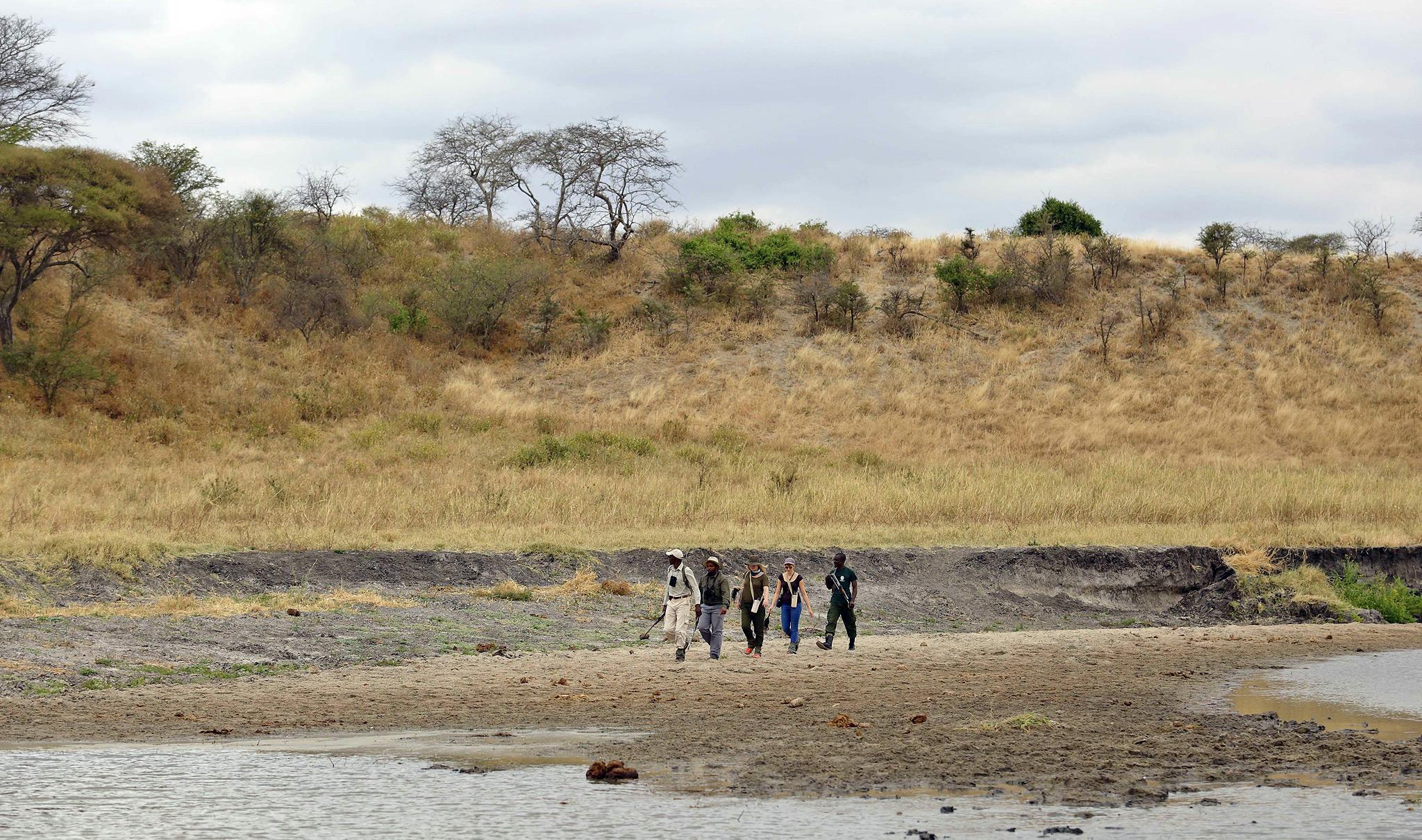
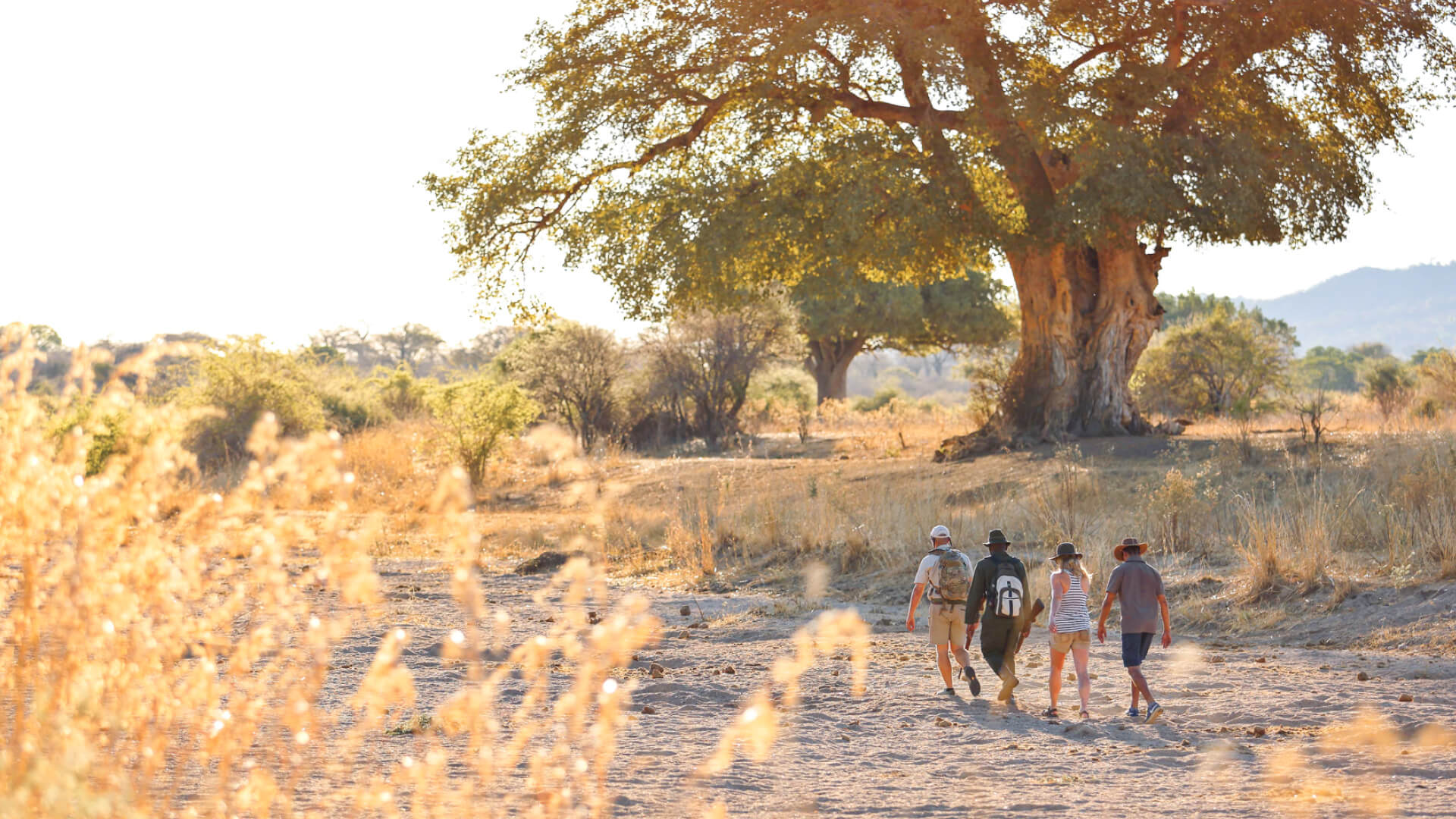
Walking safaris in Tanzania, led by experienced armed rangers, offer a thrilling and immersive way to explore the wilderness beyond the limits of traditional game drives. These guided experiences allow travelers to discover wildlife, birds, insects, and the traditional uses of native plants while fully engaging with the sights, sounds, and scents of the African bush. In destinations such as Selous, Ngorongoro (including Ndutu), and Tarangire, it is common to encounter free-roaming wildlife, making each walk unique and full of adventure.
During these walks, guests can closely examine animal tracks, observe elephants around water sources, or climb rocky kopjes for sweeping views of the landscape. Pauses along the way often include moments for rest, tea, and storytelling, offering fascinating insights into the guide’s expertise and the hidden details of the ecosystem. By the end of the experience, travelers return to their safari vehicle feeling refreshed and with a much deeper understanding and appreciation of the natural world.
Best Time for a Walking Safari
The ideal time to enjoy a walking safari in Tanzania is during the dry season, from late June to October. During this period, vegetation is thinner, wildlife is easier to spot, and walking conditions are generally safer and more comfortable. Early mornings and late afternoons are especially rewarding, offering cooler temperatures and increased animal activity for a more immersive bush experience.
In contrast, the wet season from November to May transforms the landscape into a lush, green environment filled with new life and migratory birds. However, heavier rains can make trails muddy and bush navigation more difficult. For this reason, the dry season remains the most preferred time for walking safaris, ensuring better wildlife sightings and a more enjoyable overall experience.
Ready for your African Adventure?
Share your travel dreams, and we’ll transform them into a fully customized luxury safari or private tour designed just for you.
Safari Sample Itinerary
Tanzanian safaris offer something for every adventurer, be it thrilling game drives, enchanting hot air balloon excursions, or indulgent retreats in luxury lodges. Explore our customizable packages designed to cater to your every need.

- 7 Days
- 7 Days

- 3 Days
Frequently Asked Questions
Walking safaris are offered in several parks, including Tarangire National Park, Lake Manyara National Park, Serengeti National Park, and Mkomazi National Park. These locations provide diverse landscapes—from open savannahs to riverine forests—perfect for wildlife tracking and nature exploration.
You may encounter a variety of animals such as giraffes, zebras, elephants, buffalo, antelope, and many bird species. Walking safaris also allow close-up observation of smaller creatures like insects, reptiles, and birds, giving a deeper understanding of the ecosystem. Experienced guides ensure safety while tracking potentially dangerous wildlife.
Yes. Safety is a top priority. Walking safaris are conducted in small groups led by trained guides who carry safety equipment and know how to navigate wildlife encounters. Routes are carefully chosen according to the group’s skill and comfort level, making them suitable for families with older children, couples, and first-time adventure travelers.
Essentials include comfortable walking shoes or boots, neutral-colored clothing, a hat, sunscreen, insect repellent, a camera, binoculars, and a small backpack for water and snacks. Layered clothing is recommended for early morning or late afternoon walks when temperatures can vary.
Walking safaris can last from 2–5 hours for a half-day experience to full-day walks with picnic lunches in the bush. Multi-day walking safaris are also available for a more immersive experience, often combined with overnight stays in lodges or tented camps.
